THE ADVENTURE COLLECTIVE® · Independent discovery and booking for outdoor travel

A compact 3-day journey pairs Meteora’s cliff-top monasteries with the soothing 37°C Pozar thermal springs. This tour blends short hikes among sandstone towers with time to soak and recover in natural pools.
A compact 3-day journey pairs Meteora’s cliff-top monasteries with the soothing 37°C Pozar thermal springs. This tour blends short hikes among sandstone towers with time to soak and recover in natural pools.
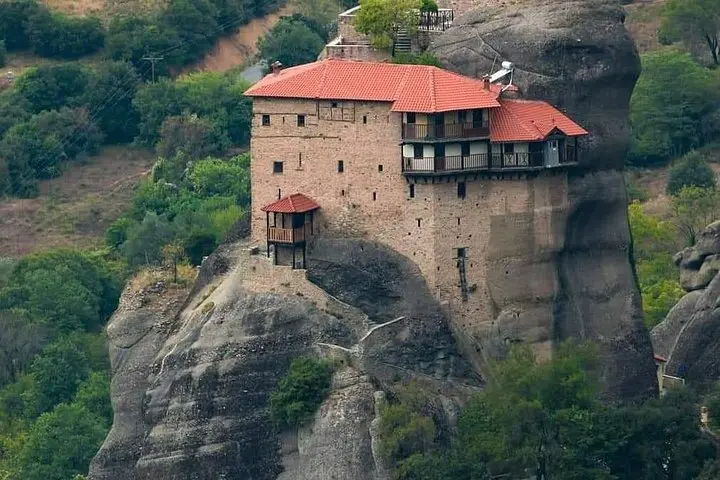
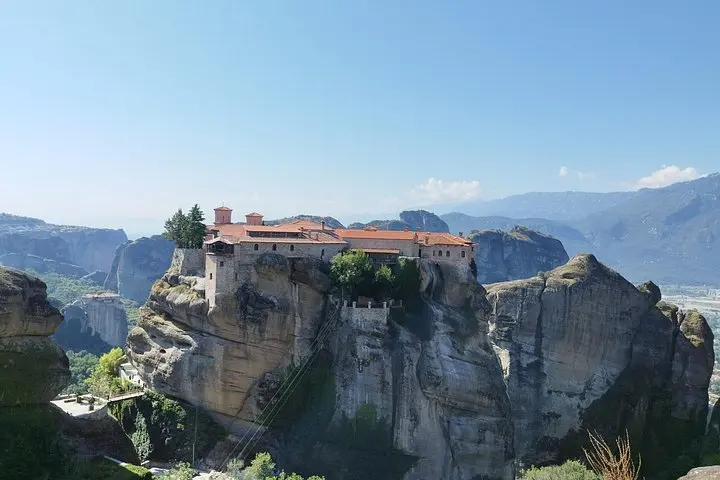
On the first morning the road opens into a raw horizon of stone pillars—Meteora’s cliffs rise like carved islands from the Thessalian plain. Visitors step from the minivan into wind-blown light; monasteries squat on ledges, their stone steps worn smooth by centuries of pilgrims.
Verified experiences and guided adventures in the surrounding area.
Operated by allways greece · Kalabaka, Thessaly
On the first morning the road opens into a raw horizon of stone pillars—Meteora’s cliffs rise like carved islands from the Thessalian plain. Visitors step from the minivan into wind-blown light; monasteries squat on ledges, their stone steps worn smooth by centuries of pilgrims.
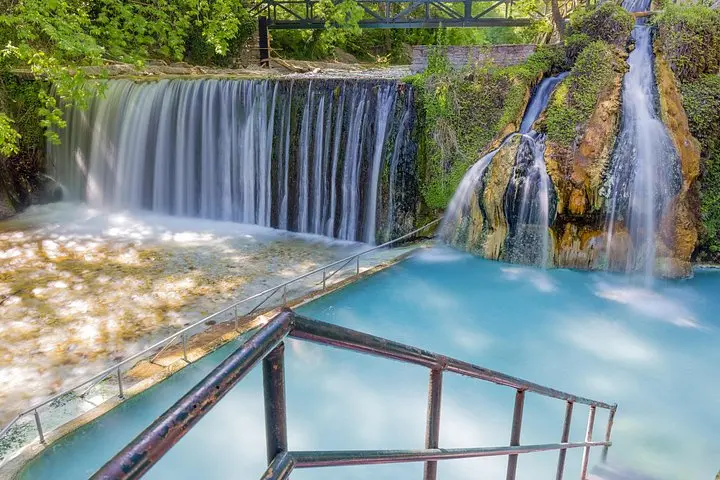
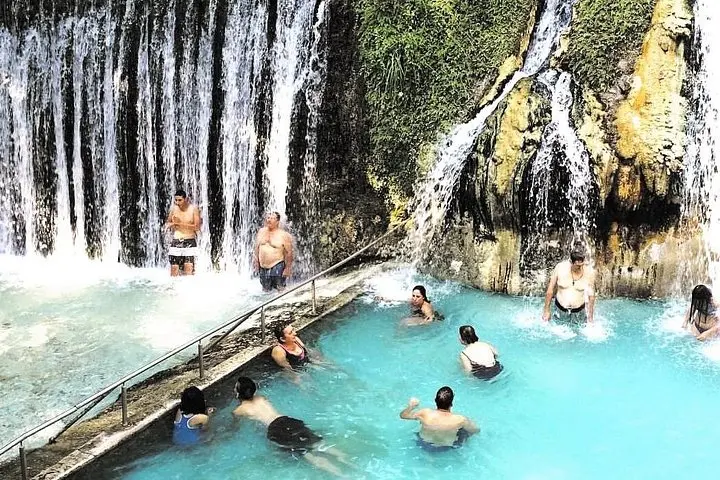
Geology here is blunt and old: sandstone and conglomerate deposited in a Miocene delta and sculpted by erosion into towers. The monasteries began in the 14th century as Byzantine hermitages; today Meteora is a UNESCO site where history is read in mortar and narrow paths. Two hours north, the Pozar (Loutra Pozar) thermal springs sit in a different landscape—green gorges, a fast stream and natural pools that hold water at about 37°C, used since antiquity for therapeutic bathing.
Culturally the trip blends monastic silence with lively thermal bathhouses; small mountain villages like Kastraki serve local pies and strong coffee. Hikes around Meteora involve rocky trails, short scrambles and elevation changes of roughly 150–350 m depending on route; expect uneven footing and exposed viewpoints. Pozar’s walk to the pools is gentler—boardwalks and short stone stairs.
Practical guidance: arrive early for sunrise light and fewer crowds at the main monasteries; wear grippy footwear for rock and stair sections; modest clothing is required to enter active monasteries (shoulders and knees covered). Bring swimwear and a towel for Pozar, and a refillable bottle—the tour supplies one bottle but extra hydration helps in summer. Plan three days to move deliberately: two for Meteora’s trails and viewpoints, one to relax in the springs and small villages.
They are about 2–3 hours’ driving apart depending on route; this itinerary spaces the sites across the three days to avoid rushed travel.
Some monasteries limit visitors; buying or reserving tickets where available and arriving early reduces wait times.
Pozar has both natural pools and small developed bathing facilities; water is geothermally heated to around 37°C year-round.
The tour is rated easy-to-moderate overall, but monastery access can include steep steps; families and those with limited mobility should check specific access details in advance.
allways greece operates guided outdoor trips and adventures with an emphasis on safety, stewardship, and memorable experiences.
On the first morning the road opens into a raw horizon of stone pillars—Meteora’s cliffs rise like carved islands from the Thessalian plain. Visitors step from the minivan into wind-blown light; monasteries squat on ledges, their stone steps worn smooth by centuries of pilgrims.
On the first morning the road opens into a raw horizon of stone pillars—Meteora’s cliffs rise like carved islands from the Thessalian plain. Visitors step from the minivan into wind-blown light; monasteries squat on ledges, their stone steps worn smooth by centuries of pilgrims.
Geology here is blunt and old: sandstone and conglomerate deposited in a Miocene delta and sculpted by erosion into towers. The monasteries began in the 14th century as Byzantine hermitages; today Meteora is a UNESCO site where history is read in mortar and narrow paths. Two hours north, the Pozar (Loutra Pozar) thermal springs sit in a different landscape—green gorges, a fast stream and natural pools that hold water at about 37°C, used since antiquity for therapeutic bathing.
Culturally the trip blends monastic silence with lively thermal bathhouses; small mountain villages like Kastraki serve local pies and strong coffee. Hikes around Meteora involve rocky trails, short scrambles and elevation changes of roughly 150–350 m depending on route; expect uneven footing and exposed viewpoints. Pozar’s walk to the pools is gentler—boardwalks and short stone stairs.
Practical guidance: arrive early for sunrise light and fewer crowds at the main monasteries; wear grippy footwear for rock and stair sections; modest clothing is required to enter active monasteries (shoulders and knees covered). Bring swimwear and a towel for Pozar, and a refillable bottle—the tour supplies one bottle but extra hydration helps in summer. Plan three days to move deliberately: two for Meteora’s trails and viewpoints, one to relax in the springs and small villages.