THE ADVENTURE COLLECTIVE® · Independent discovery and booking for outdoor travel

Take a seat on a double-decker and let Mexico City roll by: daytime hop-on hop-off flexibility or a compact one-hour night tour of illuminated landmarks. This guide covers what you’ll see, short historical context, and practical tips for making the most of either option.
Take a seat on a double-decker and let Mexico City roll by: daytime hop-on hop-off flexibility or a compact one-hour night tour of illuminated landmarks. This guide covers what you’ll see, short historical context, and practical tips for making the most of either option.
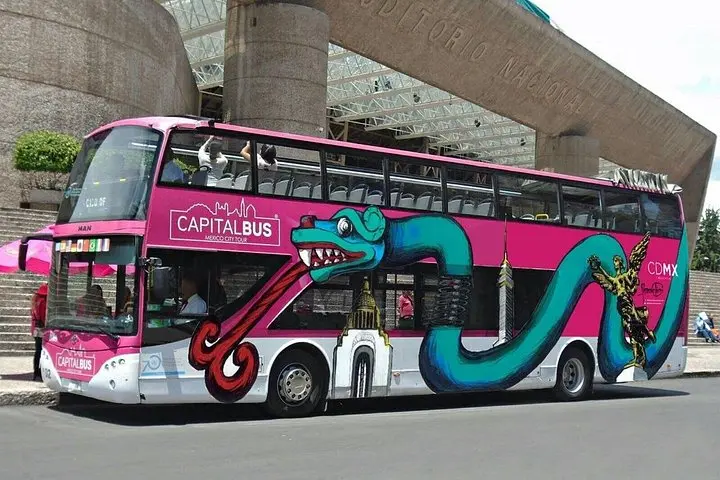
You climb aboard a red double-decker as Paseo de la Reforma slides past—El Ángel rising to your left, glass museums to your right, the city’s pulse turning magazine pages into blocks of buildings. From the top deck the city feels mapped: broad avenues, park canopies and the distant Sierra de las Cruces silhouette the Basin of Mexico.
Verified experiences and guided adventures in the surrounding area.
Operated by Amigo Tours · Mexico City, Ciudad de México
You climb aboard a red double-decker as Paseo de la Reforma slides past—El Ángel rising to your left, glass museums to your right, the city’s pulse turning magazine pages into blocks of buildings. From the top deck the city feels mapped: broad avenues, park canopies and the distant Sierra de las Cruces silhouette the Basin of Mexico.
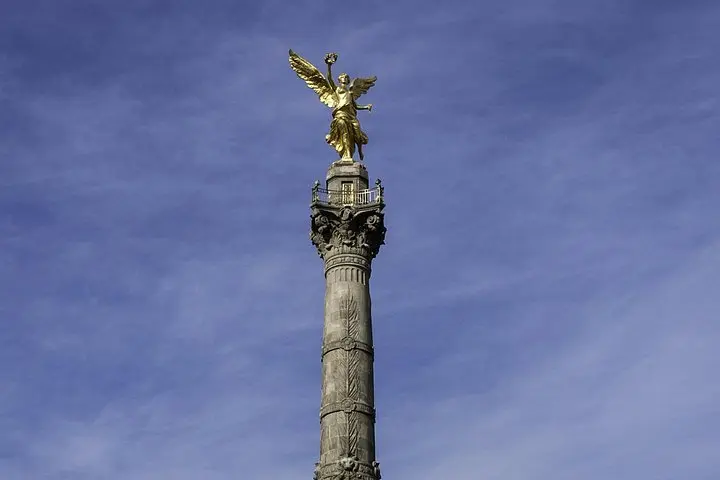
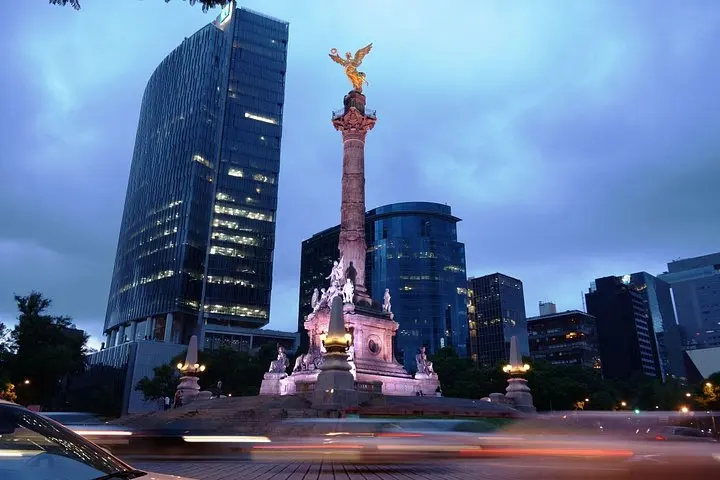
The route threads historic arteries. Paseo de la Reforma was laid out in the 19th century and reworked under Emperor Maximilian; the Monumento a la Independencia marks 1910 civic pageantry. Bosque de Chapultepec beneath the bus is both urban forest and archaeological zone, a place where pre-Hispanic remains meet national museums such as the National Museum of Anthropology.
Geology shapes the ride: Mexico City sits on the former lakebed of Texcoco, which makes flat, expansive streets but also contributes to afternoon haze that can settle over the basin. Culture shows up in plazas, market stalls and the modern art complexes of Nuevo Polanco—Museo Soumaya and Jumex—visible from the route.
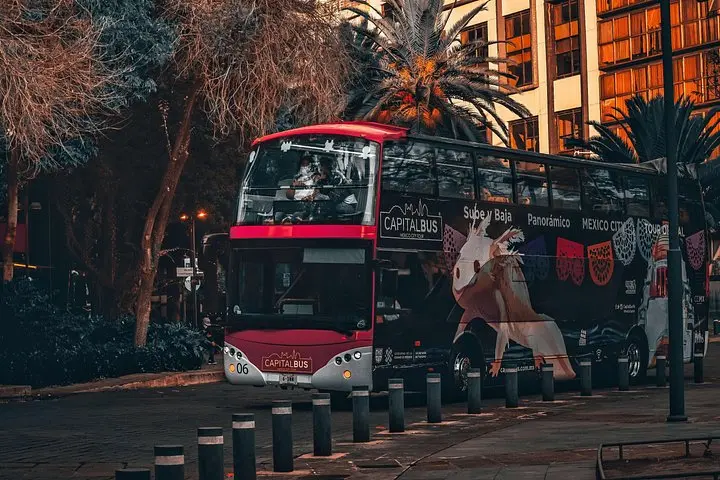
Practical choice: take the daytime hop-on hop-off to move on your schedule—visit Chapultepec, Polanco, Auditorio Nacional—and reserve the closed night tour when time is tight; it compresses highlights into about an hour with illuminated monuments. Audio guides are offered in English and Spanish and most buses accept mobile tickets; wheelchair access is available but board early for the best spots. Bring layered clothing for wind on the upper deck, sunscreen, and a small lockable bag to deter pickpockets if you plan to disembark and explore.
Yes—hop-on hop-off tickets allow unlimited boarding on the selected route and time window; check your ticket for the exact validity period.
Many buses are wheelchair accessible; the tour listing notes accessibility, but contact the operator ahead to confirm vehicle availability for your time and needs.
Yes—the service provides audio guides in English and Spanish on most daytime routes; headphones are recommended for clearer audio.
Full refunds are typically available if you cancel at least 24 hours before departure; review your booking confirmation for specific terms.
Amigo Tours operates guided outdoor trips and adventures with an emphasis on safety, stewardship, and memorable experiences.
You climb aboard a red double-decker as Paseo de la Reforma slides past—El Ángel rising to your left, glass museums to your right, the city’s pulse turning magazine pages into blocks of buildings. From the top deck the city feels mapped: broad avenues, park canopies and the distant Sierra de las Cruces silhouette the Basin of Mexico.
You climb aboard a red double-decker as Paseo de la Reforma slides past—El Ángel rising to your left, glass museums to your right, the city’s pulse turning magazine pages into blocks of buildings. From the top deck the city feels mapped: broad avenues, park canopies and the distant Sierra de las Cruces silhouette the Basin of Mexico.
The route threads historic arteries. Paseo de la Reforma was laid out in the 19th century and reworked under Emperor Maximilian; the Monumento a la Independencia marks 1910 civic pageantry. Bosque de Chapultepec beneath the bus is both urban forest and archaeological zone, a place where pre-Hispanic remains meet national museums such as the National Museum of Anthropology.
Geology shapes the ride: Mexico City sits on the former lakebed of Texcoco, which makes flat, expansive streets but also contributes to afternoon haze that can settle over the basin. Culture shows up in plazas, market stalls and the modern art complexes of Nuevo Polanco—Museo Soumaya and Jumex—visible from the route.
Practical choice: take the daytime hop-on hop-off to move on your schedule—visit Chapultepec, Polanco, Auditorio Nacional—and reserve the closed night tour when time is tight; it compresses highlights into about an hour with illuminated monuments. Audio guides are offered in English and Spanish and most buses accept mobile tickets; wheelchair access is available but board early for the best spots. Bring layered clothing for wind on the upper deck, sunscreen, and a small lockable bag to deter pickpockets if you plan to disembark and explore.