THE ADVENTURE COLLECTIVE® · Independent discovery and booking for outdoor travel

Spend 90 minutes immersed in Mexican folklore: live percussions, participatory fandango and danzón lessons, and tastings of molcajete salsa, chapulines and regional drinks. This intimate, wheelchair-accessible session blends performance, hands-on learning, and local flavors.
Spend 90 minutes immersed in Mexican folklore: live percussions, participatory fandango and danzón lessons, and tastings of molcajete salsa, chapulines and regional drinks. This intimate, wheelchair-accessible session blends performance, hands-on learning, and local flavors.
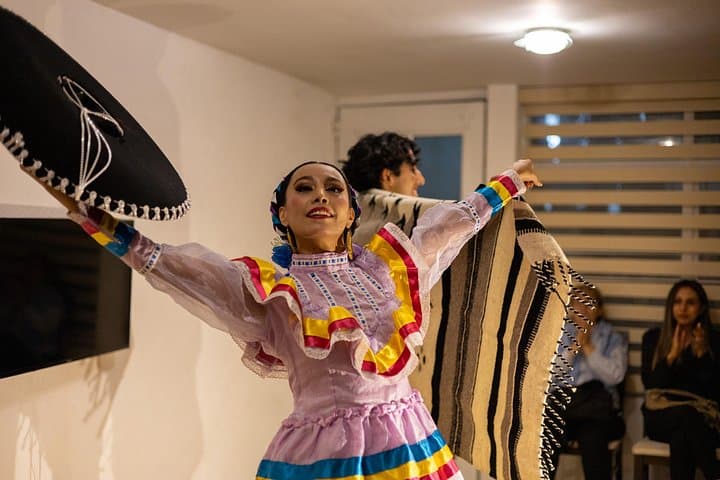
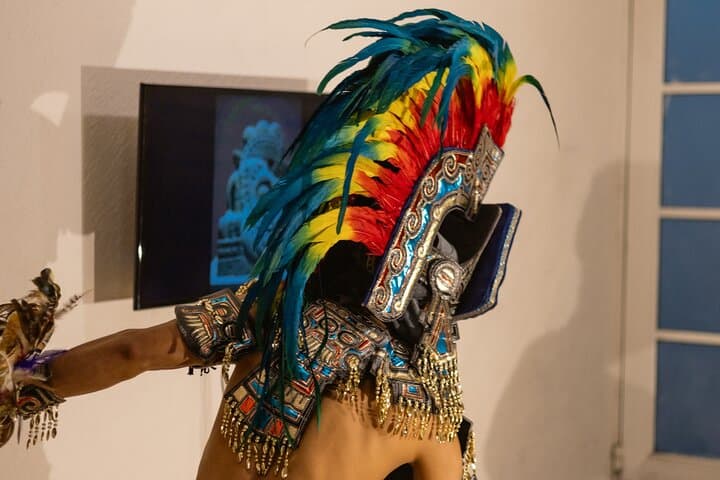
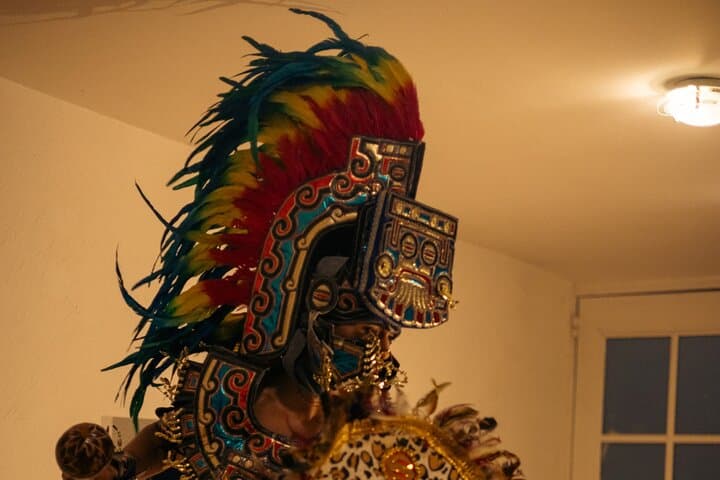
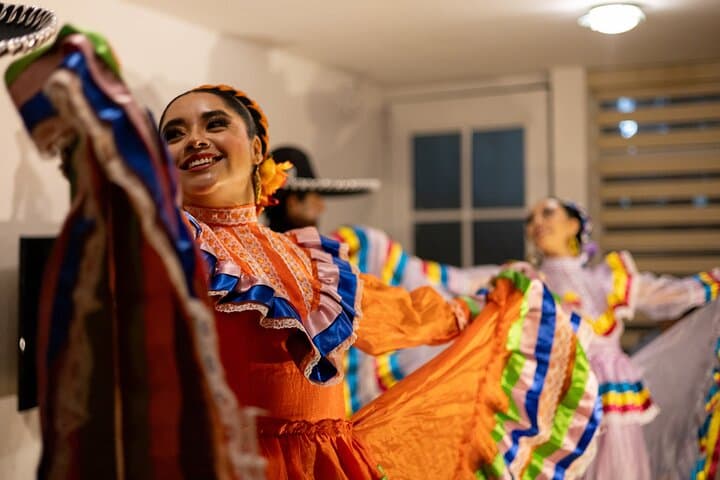
You step into a low-lit room and the air changes: sweet smoke of copal threads upward, a circle of musicians tightens, and a steady pre-Hispanic percussion begins to pulse. Musicians in regional dress invite you forward; the scent of molcajete salsa and toasted chapulines drifts from a nearby table as dancers mark time with stomps and skirts.
Verified experiences and guided adventures in the surrounding area.
Operated by Tonalli MEX00ME · Mexico City, Ciudad de México
You step into a low-lit room and the air changes: sweet smoke of copal threads upward, a circle of musicians tightens, and a steady pre-Hispanic percussion begins to pulse. Musicians in regional dress invite you forward; the scent of molcajete salsa and toasted chapulines drifts from a nearby table as dancers mark time with stomps and skirts.
This ninety-minute experience threads several cultural lineages — indigenous percussion and ritual offerings, Afro-Veracruz rhythmic forms like the fandango jarocho, and the ballroom-born danzón from Veracruz and Jalisco. Performers explain rhythms and steps, demonstrate the shoeeado jarocho and tapatío styles, then open the floor so guests can practice basic fandango footwork and partner dynamics.
Conversation moves between music, food and memory: how copal was used in ritual, why the molcajete remains central to Mexican gastronomy, and how regional dances carried stories across ports and plazas. The session ends with a small tasting (totopos, salsa de molcajete, chapulines), a sip of dairy coffee or a measured tequila shot, and time for photos with the artists.
Practical bit: the activity is short and accessible — wear comfortable shoes for standing and light dancing, bring a small amount of cash for extra purchases, and arrive slightly early to claim front-row standing space. Note dietary warnings if you avoid insects, and plan transport afterward (the performance may run late into evening). The format is intimate and interactive, making it ideal for travelers who want to learn by doing rather than simply watching.
Yes—family-friendly and stroller-accessible; infants must sit on a lap during the session.
The performance and instruction are primarily in Spanish, but hosts commonly provide basic translations for non-Spanish speakers and interact directly to teach steps.
Hosts include traditional tasters like chapulines and dairy coffee; notify them of allergies or dietary restrictions when booking.
Yes, the activity notes full wheelchair accessibility and accessible surfaces throughout the space.
Tonalli MEX00ME operates guided outdoor trips and adventures with an emphasis on safety, stewardship, and memorable experiences.
You step into a low-lit room and the air changes: sweet smoke of copal threads upward, a circle of musicians tightens, and a steady pre-Hispanic percussion begins to pulse. Musicians in regional dress invite you forward; the scent of molcajete salsa and toasted chapulines drifts from a nearby table as dancers mark time with stomps and skirts.
You step into a low-lit room and the air changes: sweet smoke of copal threads upward, a circle of musicians tightens, and a steady pre-Hispanic percussion begins to pulse. Musicians in regional dress invite you forward; the scent of molcajete salsa and toasted chapulines drifts from a nearby table as dancers mark time with stomps and skirts.
This ninety-minute experience threads several cultural lineages — indigenous percussion and ritual offerings, Afro-Veracruz rhythmic forms like the fandango jarocho, and the ballroom-born danzón from Veracruz and Jalisco. Performers explain rhythms and steps, demonstrate the shoeeado jarocho and tapatío styles, then open the floor so guests can practice basic fandango footwork and partner dynamics.
Conversation moves between music, food and memory: how copal was used in ritual, why the molcajete remains central to Mexican gastronomy, and how regional dances carried stories across ports and plazas. The session ends with a small tasting (totopos, salsa de molcajete, chapulines), a sip of dairy coffee or a measured tequila shot, and time for photos with the artists.
Practical bit: the activity is short and accessible — wear comfortable shoes for standing and light dancing, bring a small amount of cash for extra purchases, and arrive slightly early to claim front-row standing space. Note dietary warnings if you avoid insects, and plan transport afterward (the performance may run late into evening). The format is intimate and interactive, making it ideal for travelers who want to learn by doing rather than simply watching.