THE ADVENTURE COLLECTIVE® · Independent discovery and booking for outdoor travel

An 8-day, private trek into Morocco’s High Atlas that climbs Jbel M’Goun (4,068 m) and bivouacs across remote Berber valleys. Expect long days, steep passes, and alpine-style nights with local guides handling logistics.
An 8-day, private trek into Morocco’s High Atlas that climbs Jbel M’Goun (4,068 m) and bivouacs across remote Berber valleys. Expect long days, steep passes, and alpine-style nights with local guides handling logistics.
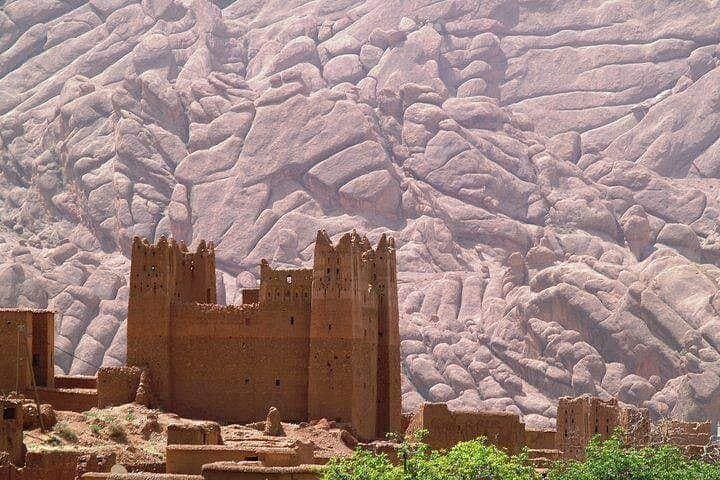
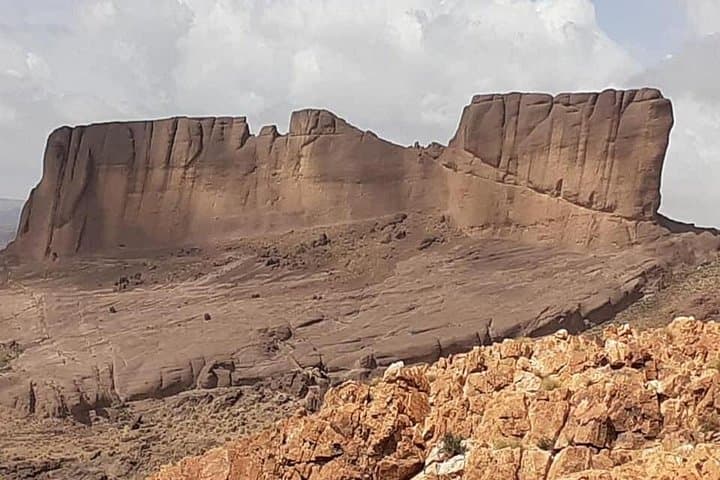
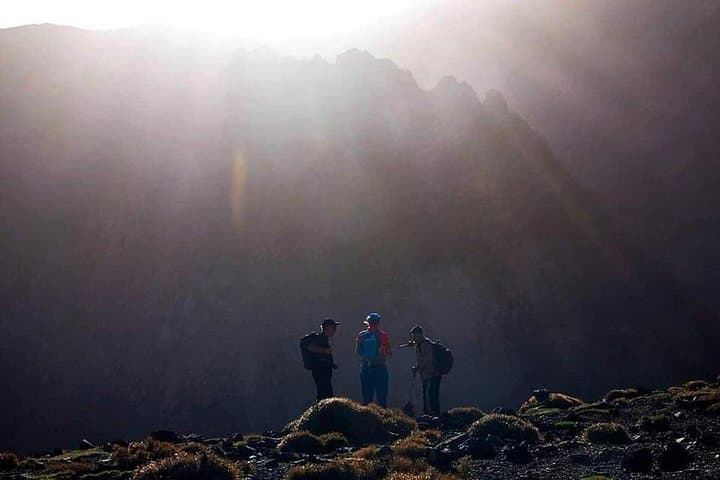
Dawn breaks over stony ridgelines and the M’Goun massif pushes its flank into the sky — a compact wall of limestone and schist that tests lungs and resolve alike. You set out from Aït Bougmez, walking past terraced fields and dry-stone villages where smoke and bread ovens still mark the day. The trail climbs through hollows carved by glacial action and rivers that dared to cut deep canyons; up high, wind scours the slopes and the summit sits like a plain-stone crown at 4,068 m.
Verified experiences and guided adventures in the surrounding area.
Operated by Adrar Aventure SARL · Aït Bougmez, Béni Mellal-Khénifra
Dawn breaks over stony ridgelines and the M’Goun massif pushes its flank into the sky — a compact wall of limestone and schist that tests lungs and resolve alike. You set out from Aït Bougmez, walking past terraced fields and dry-stone villages where smoke and bread ovens still mark the day. The trail climbs through hollows carved by glacial action and rivers that dared to cut deep canyons; up high, wind scours the slopes and the summit sits like a plain-stone crown at 4,068 m.
This is traditional Berber country: villages built from local stone, communal irrigation channels, and a mountain culture shaped by isolation and seasonal cycles. Geologically the M’Goun massif is a north-south limb of the High Atlas, uplifted during the Alpine orogeny and worn by frost and summer runoff. Expect panoramic views into the Aït Bougmez “Happy Valley,” and dramatic descent routes where the Tassaout river has gouged steep canyons.
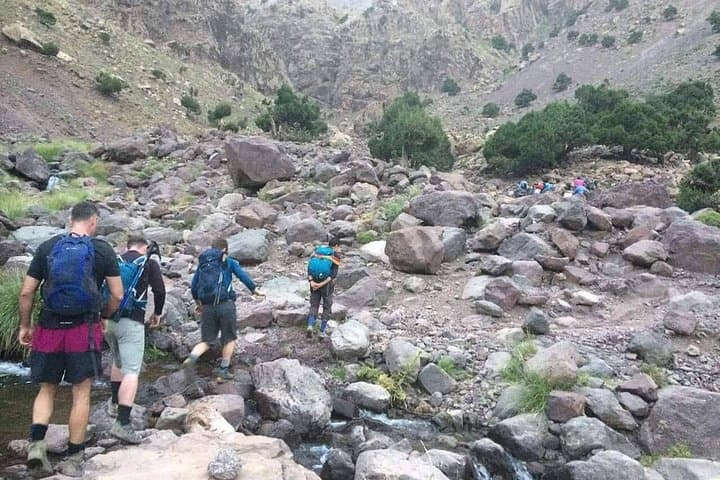
Practical guidance matters here. Daily legs range 5–7 hours with uphill sections to 1,000 m; nights are in bivouac tents at 1,700–3,000 m and one alpine-style summit day. Hydrate early, pace conservatively on passes like Tizi N’Tazite and Tizi N’Targadit, and use a layered system for rapid temperature swings. Footwear with firm ankle support, trekking poles for scree and descent, and a warm sleeping bag rated to near-freezing will make the difference between a long day and a memorable summit. Local guides handle navigation, camp setup, and meals — but personal preparation and respect for local customs keep the trek safe and rewarding.
You should be comfortable hiking 5–7 hours per day with sustained elevation gain and able to carry a daypack; previous multi-day trekking experience is recommended.
Yes — local guides, camp crew and meals are included in full-board itineraries, handling navigation, tents and cooking at bivouacs.
Nights are in shared bivouac tents at mountain camps and one night in a local guesthouse at the start and end in Marrakech or Agouti.
Yes — the trek reaches over 4,000 m; follow guide instructions, ascend gradually, stay hydrated, and report symptoms early.
Adrar Aventure SARL operates guided outdoor trips and adventures with an emphasis on safety, stewardship, and memorable experiences.
Dawn breaks over stony ridgelines and the M’Goun massif pushes its flank into the sky — a compact wall of limestone and schist that tests lungs and resolve alike. You set out from Aït Bougmez, walking past terraced fields and dry-stone villages where smoke and bread ovens still mark the day. The trail climbs through hollows carved by glacial action and rivers that dared to cut deep canyons; up high, wind scours the slopes and the summit sits like a plain-stone crown at 4,068 m.
Dawn breaks over stony ridgelines and the M’Goun massif pushes its flank into the sky — a compact wall of limestone and schist that tests lungs and resolve alike. You set out from Aït Bougmez, walking past terraced fields and dry-stone villages where smoke and bread ovens still mark the day. The trail climbs through hollows carved by glacial action and rivers that dared to cut deep canyons; up high, wind scours the slopes and the summit sits like a plain-stone crown at 4,068 m.
This is traditional Berber country: villages built from local stone, communal irrigation channels, and a mountain culture shaped by isolation and seasonal cycles. Geologically the M’Goun massif is a north-south limb of the High Atlas, uplifted during the Alpine orogeny and worn by frost and summer runoff. Expect panoramic views into the Aït Bougmez “Happy Valley,” and dramatic descent routes where the Tassaout river has gouged steep canyons.
Practical guidance matters here. Daily legs range 5–7 hours with uphill sections to 1,000 m; nights are in bivouac tents at 1,700–3,000 m and one alpine-style summit day. Hydrate early, pace conservatively on passes like Tizi N’Tazite and Tizi N’Targadit, and use a layered system for rapid temperature swings. Footwear with firm ankle support, trekking poles for scree and descent, and a warm sleeping bag rated to near-freezing will make the difference between a long day and a memorable summit. Local guides handle navigation, camp setup, and meals — but personal preparation and respect for local customs keep the trek safe and rewarding.