THE ADVENTURE COLLECTIVE® · Independent discovery and booking for outdoor travel

Walk three days along the Michinoku Coastal Trail between Soma, Natori and Matsushima—coastal paths, island ferries and local culture framed by recovery stories and centuries-old shrines. This guided trip pairs manageable daily distances with meals, lodging and local interpretation.
Walk three days along the Michinoku Coastal Trail between Soma, Natori and Matsushima—coastal paths, island ferries and local culture framed by recovery stories and centuries-old shrines. This guided trip pairs manageable daily distances with meals, lodging and local interpretation.
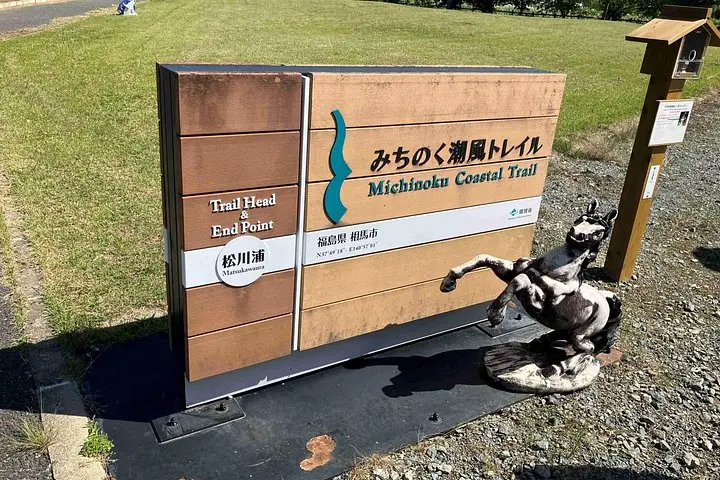
Salt air and train announcements mix as you step off the platform in Sendai, then slide eastward toward a coastline that keeps changing its face—rocky headlands give way to broad bay waters dotted with pine-topped islets. Over three days you’ll walk short, purposeful sections of the Michinoku Coastal Trail, moving between fishing villages, shrine grounds and bay islands where the tide dictates your rhythm.
Verified experiences and guided adventures in the surrounding area.
Operated by H.I.S.Co., Ltd. · Matsushima, Miyagi Prefecture
Salt air and train announcements mix as you step off the platform in Sendai, then slide eastward toward a coastline that keeps changing its face—rocky headlands give way to broad bay waters dotted with pine-topped islets. Over three days you’ll walk short, purposeful sections of the Michinoku Coastal Trail, moving between fishing villages, shrine grounds and bay islands where the tide dictates your rhythm.
This stretch carries visible history: Soma Shrine’s wooden main hall from 1643 and the persistent memory of the 2011 Great East Japan Earthquake and tsunami. Geology here is young and restless—soft coastal terraces, sand and uplifted marine deposits—shaped by centuries of sea and sudden seismic motion. Culturally, the route threads small-community life, local seafood traditions and ritual events like Soma Nomaoi, whose horsemanship and Shinto roots remain living practices.
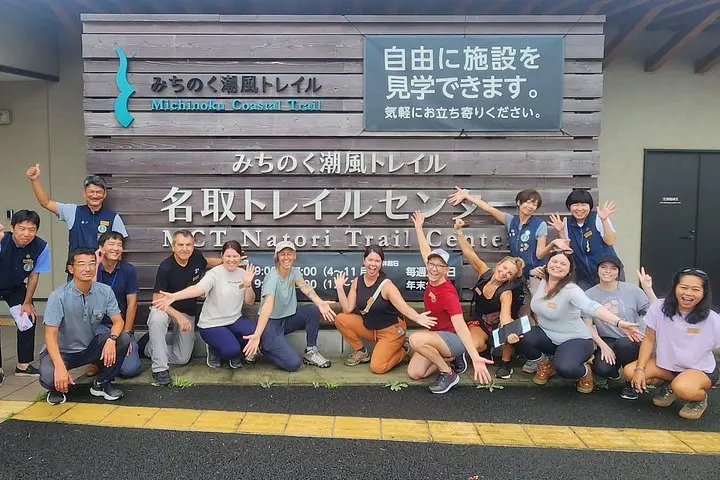
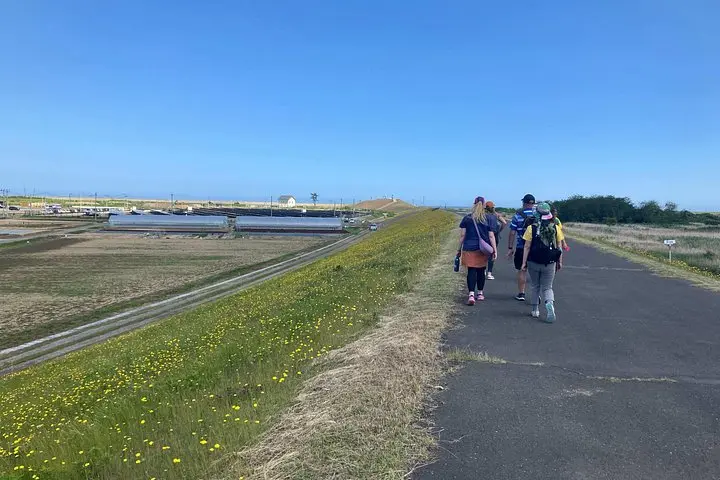
Expect mostly gentle walking—paved and coastal paths with short climbs and ferry hops across the Urato islands. Days are arranged to include local meals, guide briefings at the Natori Trail Center, and reflective stops at memorial sites; twin-share lodgings are typical, sometimes in traditional Japanese rooms.
Practical edge: pack a light waterproof, a good pair of boots for mixed pavement and coastal rock, and a small daypack for water and camera. Respect memorial areas and local customs; tide times and ferry schedules shape island hops. The itinerary is ideal for hikers building multi-day experience—slow, observant trekking that links nature, community and recovery stories along Tohoku’s resilient shore.
Daily sections are generally short (roughly 5–8 km) on mostly paved coastal paths with modest elevation change, suitable for beginners with moderate fitness.
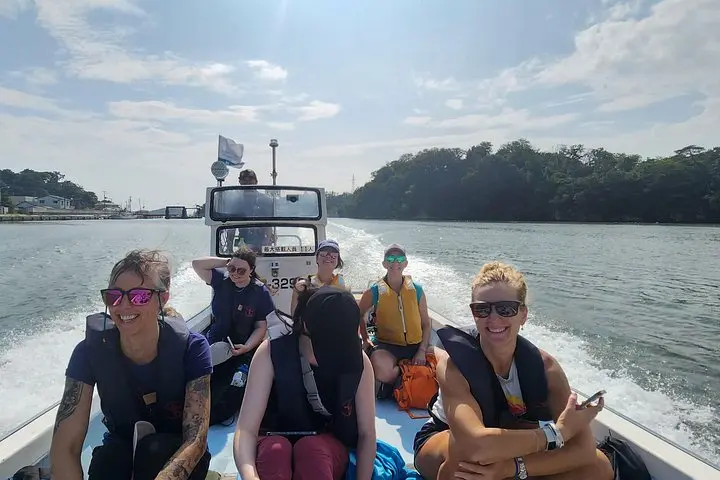
Local ferry and boat transfers used on day three are coordinated by the guide but timing depends on local schedules and tides; confirm details at orientation.
Twin-share accommodations are typically 2–3 star or traditional Japanese inns; expect simple but comfortable rooms and local meals.
Weather and local conditions can affect ferry service and trail access; guides monitor conditions, but the tour is non-refundable under the stated policy.
H.I.S.Co., Ltd. operates guided outdoor trips and adventures with an emphasis on safety, stewardship, and memorable experiences.
Salt air and train announcements mix as you step off the platform in Sendai, then slide eastward toward a coastline that keeps changing its face—rocky headlands give way to broad bay waters dotted with pine-topped islets. Over three days you’ll walk short, purposeful sections of the Michinoku Coastal Trail, moving between fishing villages, shrine grounds and bay islands where the tide dictates your rhythm.
Salt air and train announcements mix as you step off the platform in Sendai, then slide eastward toward a coastline that keeps changing its face—rocky headlands give way to broad bay waters dotted with pine-topped islets. Over three days you’ll walk short, purposeful sections of the Michinoku Coastal Trail, moving between fishing villages, shrine grounds and bay islands where the tide dictates your rhythm.
This stretch carries visible history: Soma Shrine’s wooden main hall from 1643 and the persistent memory of the 2011 Great East Japan Earthquake and tsunami. Geology here is young and restless—soft coastal terraces, sand and uplifted marine deposits—shaped by centuries of sea and sudden seismic motion. Culturally, the route threads small-community life, local seafood traditions and ritual events like Soma Nomaoi, whose horsemanship and Shinto roots remain living practices.
Expect mostly gentle walking—paved and coastal paths with short climbs and ferry hops across the Urato islands. Days are arranged to include local meals, guide briefings at the Natori Trail Center, and reflective stops at memorial sites; twin-share lodgings are typical, sometimes in traditional Japanese rooms.
Practical edge: pack a light waterproof, a good pair of boots for mixed pavement and coastal rock, and a small daypack for water and camera. Respect memorial areas and local customs; tide times and ferry schedules shape island hops. The itinerary is ideal for hikers building multi-day experience—slow, observant trekking that links nature, community and recovery stories along Tohoku’s resilient shore.