THE ADVENTURE COLLECTIVE® · Independent discovery and booking for outdoor travel

Drive from Fez into the cedar-forested slopes of the Middle Atlas to see Barbary macaques, visit Berber villages and pause at snowfields or ski slopes in season. This practical day trip blends short forest walks, cultural stops, and accessible wildlife viewing.
Drive from Fez into the cedar-forested slopes of the Middle Atlas to see Barbary macaques, visit Berber villages and pause at snowfields or ski slopes in season. This practical day trip blends short forest walks, cultural stops, and accessible wildlife viewing.
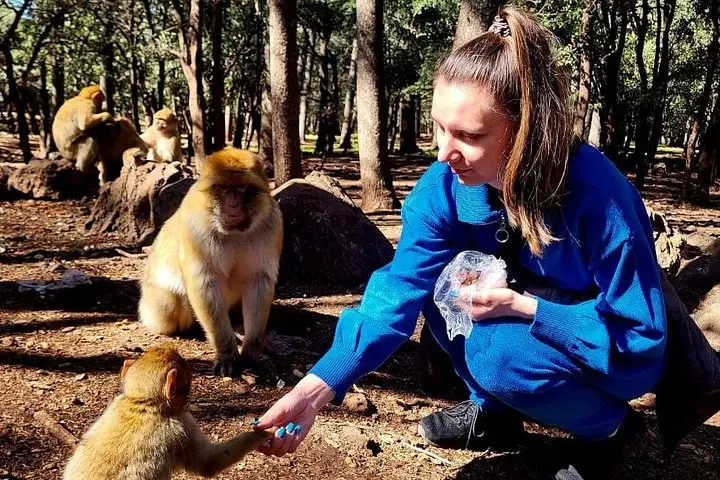
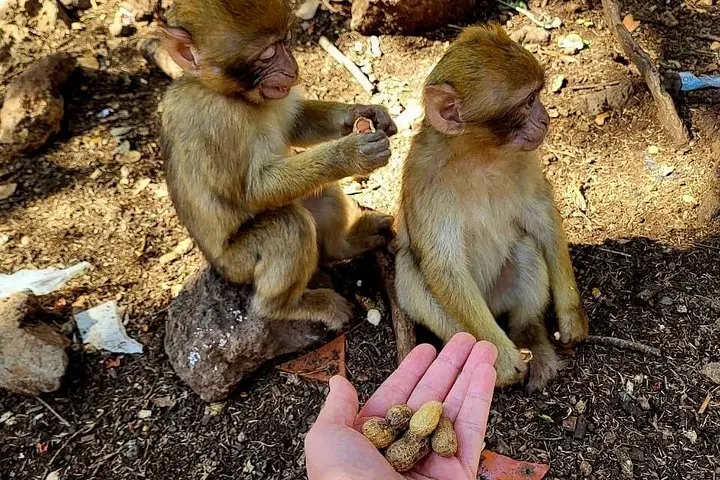
Morning light on the Middle Atlas cuts through columns of Atlas cedar; the air smells sharply of resin and cold earth as the minivan eases up mountain switchbacks. Visitors arrive from Fez to a landscape that alternates between dense cedar stands, scrubby slopes, and small stone villages clinging to ridgelines. Barbary macaques appear at the forest edge as if waiting to greet the road.
Verified experiences and guided adventures in the surrounding area.
Operated by 3t Travel · Azrou, Fès-Meknès
Morning light on the Middle Atlas cuts through columns of Atlas cedar; the air smells sharply of resin and cold earth as the minivan eases up mountain switchbacks. Visitors arrive from Fez to a landscape that alternates between dense cedar stands, scrubby slopes, and small stone villages clinging to ridgelines. Barbary macaques appear at the forest edge as if waiting to greet the road.
The region has long been home to Amazigh (Berber) communities; nearby towns like Ifrane were reshaped under the French Protectorate into alpine-style settlements and winter stations. Geologically the Middle Atlas is older and lower than the High Atlas, a mix of folded sedimentary and volcanic rock that creates rounded ridges and sheltered valleys where cedars persist.
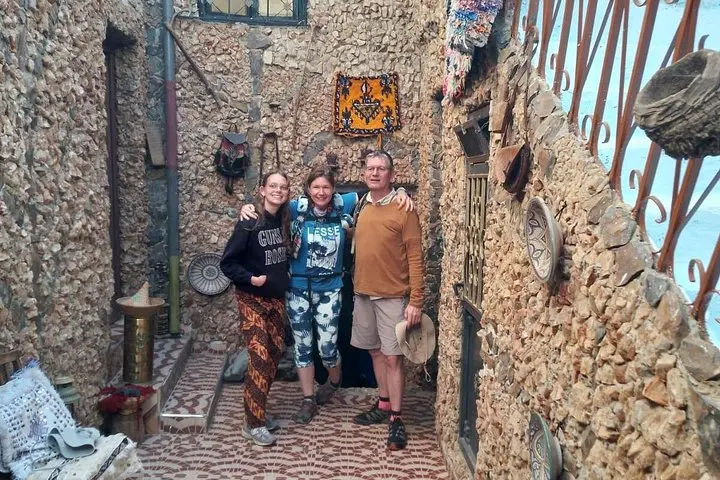
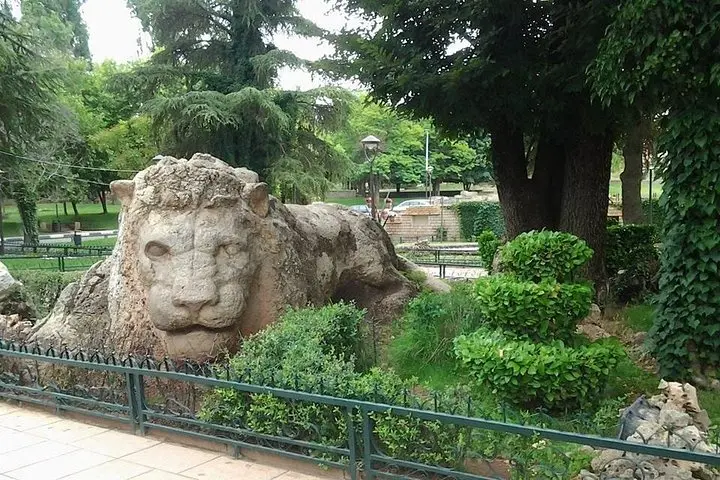
On a day trip you’ll get short walks through cedar groves, photo stops for the macaques, and time in Azrou to observe local markets and stone-built houses—plus seasonal views of nearby ski slopes. Guides typically handle driving and logistics; expect hamlet visits where residents keep traditional lifestyles, sometimes in cave-edge homes.
Practical guidance: start early from Fez to avoid midday heat and busier macaque gatherings; wear sturdy shoes for uneven forest trails and bring cash for small purchases in villages. Respect wildlife—don’t feed monkeys and keep a safe distance. Road surfaces vary; expect paved highways between towns and tighter, occasionally unpaved access roads near villages. Water, layered clothing, and sun protection make the day comfortable across seasons. The trip packs culture, geology, and wildlife into a manageable 5–7 hour outing for visitors based in Fez.
The trip typically runs 5–7 hours and includes hotel pickup/drop-off, transport by minivan or 4x4, and a driver; short guided stops are standard but verify guide inclusions when booking.
Yes—macaques often gather at the cedar forest edge near Azrou, but sightings depend on season and time of day; avoid feeding or approaching them.
Generally yes for those with moderate mobility; the tour involves short walks and vehicle travel—infants may require a lap and some routes can be uneven for limited mobility.
Yes—nearby ski stations on the Middle Atlas receive snow in winter; check road conditions and dress warmly as temperatures can drop and access may be slower.
3t Travel operates guided outdoor trips and adventures with an emphasis on safety, stewardship, and memorable experiences.
Morning light on the Middle Atlas cuts through columns of Atlas cedar; the air smells sharply of resin and cold earth as the minivan eases up mountain switchbacks. Visitors arrive from Fez to a landscape that alternates between dense cedar stands, scrubby slopes, and small stone villages clinging to ridgelines. Barbary macaques appear at the forest edge as if waiting to greet the road.
Morning light on the Middle Atlas cuts through columns of Atlas cedar; the air smells sharply of resin and cold earth as the minivan eases up mountain switchbacks. Visitors arrive from Fez to a landscape that alternates between dense cedar stands, scrubby slopes, and small stone villages clinging to ridgelines. Barbary macaques appear at the forest edge as if waiting to greet the road.
The region has long been home to Amazigh (Berber) communities; nearby towns like Ifrane were reshaped under the French Protectorate into alpine-style settlements and winter stations. Geologically the Middle Atlas is older and lower than the High Atlas, a mix of folded sedimentary and volcanic rock that creates rounded ridges and sheltered valleys where cedars persist.
On a day trip you’ll get short walks through cedar groves, photo stops for the macaques, and time in Azrou to observe local markets and stone-built houses—plus seasonal views of nearby ski slopes. Guides typically handle driving and logistics; expect hamlet visits where residents keep traditional lifestyles, sometimes in cave-edge homes.
Practical guidance: start early from Fez to avoid midday heat and busier macaque gatherings; wear sturdy shoes for uneven forest trails and bring cash for small purchases in villages. Respect wildlife—don’t feed monkeys and keep a safe distance. Road surfaces vary; expect paved highways between towns and tighter, occasionally unpaved access roads near villages. Water, layered clothing, and sun protection make the day comfortable across seasons. The trip packs culture, geology, and wildlife into a manageable 5–7 hour outing for visitors based in Fez.