THE ADVENTURE COLLECTIVE® · Independent discovery and booking for outdoor travel

Escape Fes for a single day to the cool cedar forests and mountain villages of the Middle Atlas. This practical, photo-friendly trip blends short walks, cultural stops, and panoramic views ideal for travelers with limited time.
Escape Fes for a single day to the cool cedar forests and mountain villages of the Middle Atlas. This practical, photo-friendly trip blends short walks, cultural stops, and panoramic views ideal for travelers with limited time.
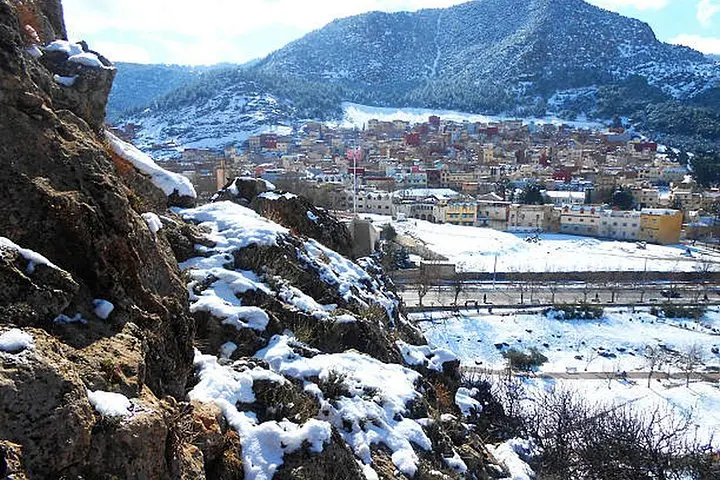
The road climbs out of Fes and the air changes—cooler, resin-scented, and sharp with cedar. Within an hour the Atlas reveals a different Morocco: stone villages clinging to slopes, a ribbon of highway cutting through pine and cedar, and pockets of fog that lift to reveal blue sky and long views. The day trip moves at a steady, practical pace: photo stops at Imouzzer, a stroll through Ifrane’s European-style streets, and a short walk in Azrou’s cedar forest where old trunks lean like slow-moving giants.
Verified experiences and guided adventures in the surrounding area.
Operated by Morocco Fez Tours · Ifrane, Fes-Meknes
The road climbs out of Fes and the air changes—cooler, resin-scented, and sharp with cedar. Within an hour the Atlas reveals a different Morocco: stone villages clinging to slopes, a ribbon of highway cutting through pine and cedar, and pockets of fog that lift to reveal blue sky and long views. The day trip moves at a steady, practical pace: photo stops at Imouzzer, a stroll through Ifrane’s European-style streets, and a short walk in Azrou’s cedar forest where old trunks lean like slow-moving giants.
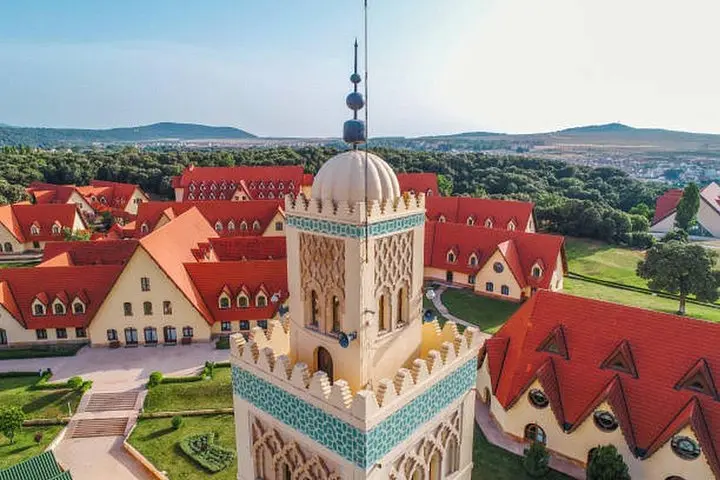
Geology here is visible: folded limestone and sandstone sculpt the Middle Atlas into rounded ridgelines and sheltered valleys. The region’s long human story includes Amazigh (Berber) farming communities who have grazed these plateaus for centuries; you’ll pass small markets and traditional stone houses with flat roofs. Ifrane, architecturally distinct from other Moroccan towns, was developed in the 20th century as a mountain resort, while Azrou’s cedar stands are critical habitat for the endangered Barbary macaque.
Practical guidance: this is a full 6‑hour excursion by air‑conditioned vehicle with short, easy walks—expect uneven dirt trails in the cedars and brief village steps. Dress in layers: mornings and late afternoons can be chilly, midday warm. Bring water, cash for small purchases and photography stops, and modest clothing for village visits. Respect local customs when photographing residents and keep distance from wildlife; the macaques are wild and can be aggressive around food. With straightforward logistics and high reward views, this day trip is a compact way to see the Middle Atlas’ geology, culture, and forests in one immersive outing.
The tour lasts about 6 hours and typically starts and ends in Fes with hotel pickup and drop‑off included.
Yes; the itinerary involves short, easy walks and vehicle transport, making it suitable for families and older travelers with basic mobility.
Yes, Azrou’s cedar forest is one of the places macaques are commonly seen, but sightings aren’t guaranteed and you should not feed or approach them.
Transportation and driver services are included, but meals, optional activities, and any local entrance fees are typically not included—bring cash for purchases.
Morocco Fez Tours operates guided outdoor trips and adventures with an emphasis on safety, stewardship, and memorable experiences.

The road climbs out of Fes and the air changes—cooler, resin-scented, and sharp with cedar. Within an hour the Atlas reveals a different Morocco: stone villages clinging to slopes, a ribbon of highway cutting through pine and cedar, and pockets of fog that lift to reveal blue sky and long views. The day trip moves at a steady, practical pace: photo stops at Imouzzer, a stroll through Ifrane’s European-style streets, and a short walk in Azrou’s cedar forest where old trunks lean like slow-moving giants.
The road climbs out of Fes and the air changes—cooler, resin-scented, and sharp with cedar. Within an hour the Atlas reveals a different Morocco: stone villages clinging to slopes, a ribbon of highway cutting through pine and cedar, and pockets of fog that lift to reveal blue sky and long views. The day trip moves at a steady, practical pace: photo stops at Imouzzer, a stroll through Ifrane’s European-style streets, and a short walk in Azrou’s cedar forest where old trunks lean like slow-moving giants.
Geology here is visible: folded limestone and sandstone sculpt the Middle Atlas into rounded ridgelines and sheltered valleys. The region’s long human story includes Amazigh (Berber) farming communities who have grazed these plateaus for centuries; you’ll pass small markets and traditional stone houses with flat roofs. Ifrane, architecturally distinct from other Moroccan towns, was developed in the 20th century as a mountain resort, while Azrou’s cedar stands are critical habitat for the endangered Barbary macaque.
Practical guidance: this is a full 6‑hour excursion by air‑conditioned vehicle with short, easy walks—expect uneven dirt trails in the cedars and brief village steps. Dress in layers: mornings and late afternoons can be chilly, midday warm. Bring water, cash for small purchases and photography stops, and modest clothing for village visits. Respect local customs when photographing residents and keep distance from wildlife; the macaques are wild and can be aggressive around food. With straightforward logistics and high reward views, this day trip is a compact way to see the Middle Atlas’ geology, culture, and forests in one immersive outing.