THE ADVENTURE COLLECTIVE® · Independent discovery and booking for outdoor travel

A seven-hour loop from Fes into the Middle Atlas visiting Ifrane, cedar forests and Berber villages. Expect paved driving with short walks, Barbary macaques, highland views and local tea stops.
A seven-hour loop from Fes into the Middle Atlas visiting Ifrane, cedar forests and Berber villages. Expect paved driving with short walks, Barbary macaques, highland views and local tea stops.
You leave Fes at first light, the medina shrinking behind rearview glass as the road climbs into cool air and cedars. The minivan threads switchbacks and villages, and by midmorning you reach Ifrane’s tidy squares and steep, French-built roofs—an alpine surprise in North Africa.
Verified experiences and guided adventures in the surrounding area.
Operated by Fes Desert Tours · Fes, Fès-Meknès
You leave Fes at first light, the medina shrinking behind rearview glass as the road climbs into cool air and cedars. The minivan threads switchbacks and villages, and by midmorning you reach Ifrane’s tidy squares and steep, French-built roofs—an alpine surprise in North Africa.
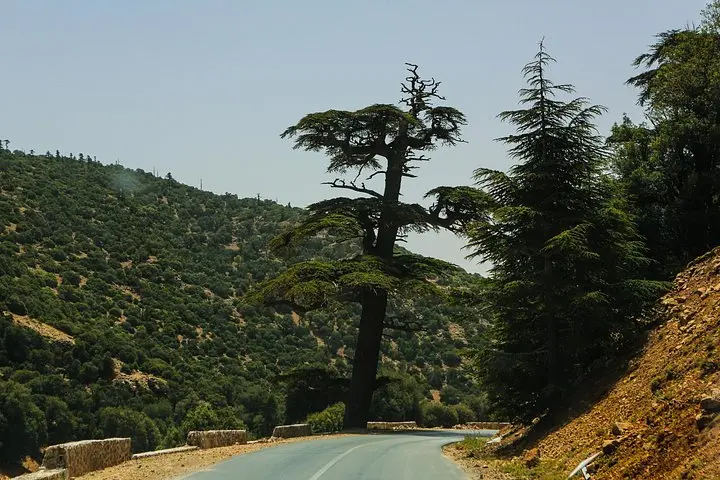
The Middle Atlas is older, folded terrain capped with volcanic plates and broad cedar stands (Cedrus atlantica). The region’s small towns—Imouzzer, Ifrane, Azrou—grew as market and colonial stopovers; their stone homes and terraced plots reflect Amazigh (Berber) agricultural patterns that persist today. Geologically the range sits between the Rif and High Atlas, its rounded peaks averaging 1,500–2,000 m and catching winter snow that feeds ephemeral lakes and streams.
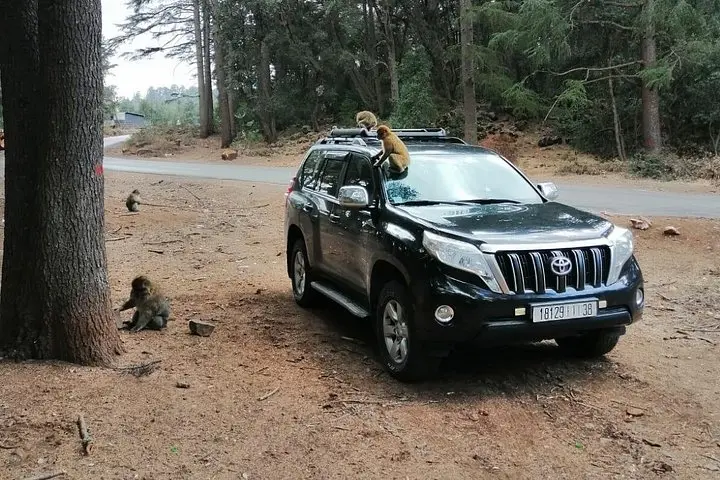
On this 7-hour loop expect paved driving punctuated by short, easy walks: a cedar grove to photograph Barbary macaques near Azrou, viewpoints over forested slopes, and quick visits to village lanes where tea is served. Terrain is mostly road and packed dirt; the walking is low-impact but at higher altitude—Ifrane sits near 1,665 m—so breathing feels brisk if you start in lowland Fes.
Practical guide: hotel pickup is standard, tea/coffee typically provided but lunch is not—bring cash for village snacks. Wear sturdy shoes for muddy trails, layered clothing for temperature swings, and keep a respectful distance from wildlife; do not feed monkeys. Best windows are spring and autumn for mild weather, while winter brings snow and summer delivers dry, warm afternoons. This day trip balances easy access and authentic mountain culture—good for photographers, short walkers, and anyone wanting a quick, vivid taste of the Middle Atlas.
Yes—most operators include pickup and drop-off in Fes; confirm exact pickup time and location when you book.
No—tea and coffee are usually offered, but plan for a snack or budget for a village lunch at your own expense.
You can watch Barbary macaques up close, but do not touch or feed them; keep bags closed and maintain a safe distance.
Infants and small children can join; some operators note stroller access and provide infant seats, but terrain at stops can be uneven.
Fes Desert Tours operates guided outdoor trips and adventures with an emphasis on safety, stewardship, and memorable experiences.
You leave Fes at first light, the medina shrinking behind rearview glass as the road climbs into cool air and cedars. The minivan threads switchbacks and villages, and by midmorning you reach Ifrane’s tidy squares and steep, French-built roofs—an alpine surprise in North Africa.
You leave Fes at first light, the medina shrinking behind rearview glass as the road climbs into cool air and cedars. The minivan threads switchbacks and villages, and by midmorning you reach Ifrane’s tidy squares and steep, French-built roofs—an alpine surprise in North Africa.
The Middle Atlas is older, folded terrain capped with volcanic plates and broad cedar stands (Cedrus atlantica). The region’s small towns—Imouzzer, Ifrane, Azrou—grew as market and colonial stopovers; their stone homes and terraced plots reflect Amazigh (Berber) agricultural patterns that persist today. Geologically the range sits between the Rif and High Atlas, its rounded peaks averaging 1,500–2,000 m and catching winter snow that feeds ephemeral lakes and streams.
On this 7-hour loop expect paved driving punctuated by short, easy walks: a cedar grove to photograph Barbary macaques near Azrou, viewpoints over forested slopes, and quick visits to village lanes where tea is served. Terrain is mostly road and packed dirt; the walking is low-impact but at higher altitude—Ifrane sits near 1,665 m—so breathing feels brisk if you start in lowland Fes.
Practical guide: hotel pickup is standard, tea/coffee typically provided but lunch is not—bring cash for village snacks. Wear sturdy shoes for muddy trails, layered clothing for temperature swings, and keep a respectful distance from wildlife; do not feed monkeys. Best windows are spring and autumn for mild weather, while winter brings snow and summer delivers dry, warm afternoons. This day trip balances easy access and authentic mountain culture—good for photographers, short walkers, and anyone wanting a quick, vivid taste of the Middle Atlas.