THE ADVENTURE COLLECTIVE® · Independent discovery and booking for outdoor travel

Swap Fez’s medina for cedar forests and cool alpine air on a private day trip into the Middle Atlas. Visit Ain Soultane spring, stroll Ifrane’s planned avenues, and meet the Barbary macaques in Azrou.
Swap Fez’s medina for cedar forests and cool alpine air on a private day trip into the Middle Atlas. Visit Ain Soultane spring, stroll Ifrane’s planned avenues, and meet the Barbary macaques in Azrou.
A pre-dawn pickup in Fes dissolves the city’s mosaic of alleys as the road climbs toward the Middle Atlas. Within an hour the air cools, and a narrow river dares you to look away while cedar-studded slopes slide past the window. First stop is the spring at Ain Soultane—clear, cold water that feeds a ribbon of stream and offers an easy riverside walk.
Verified experiences and guided adventures in the surrounding area.
Operated by Fez Desert Tours · Ifrane, Fès-Meknès
A pre-dawn pickup in Fes dissolves the city’s mosaic of alleys as the road climbs toward the Middle Atlas. Within an hour the air cools, and a narrow river dares you to look away while cedar-studded slopes slide past the window. First stop is the spring at Ain Soultane—clear, cold water that feeds a ribbon of stream and offers an easy riverside walk.
The route threads through geology older than the cities: folded limestone and volcanic plateaus that raise alpine valleys around 1,500–1,800 m. Ifrane, nicknamed “Switzerland of Morocco,” is a 20th-century French-built hill town with chalet-style architecture, planned boulevards, and an elevation near 1,665 m that gives clean air and long views of the range’s shoulder. Azrou follows, where ancient cedar groves host curious Barbary macaques; local horsemen often offer short rides along packed dirt tracks.
Culture here is quietly rural—Berber villages, seasonal shepherding, and markets selling honey and juniper. The day trip covers roughly 130–180 km of driving round-trip depending on the route and includes several short walks with light elevation change (typically under 200 m on lookouts).
Practical guidance: pack layers for mountain wind and sun, bring cash for small vendors, and wear grippy shoes for slippery spring trails. Respect wildlife—observe macaques without feeding them—and leave no trace in cedar groves. The private vehicle and English-speaking driver make logistics simple; expect a 6–7 hour outing with photo stops, short hikes, and village time to stretch legs and taste local flavors.
Yes—private pickup from accommodations in Fes is included; confirm your exact pickup point when booking.
You can observe macaques at close range in Azrou; handlers may approach, but feeding is discouraged to protect wildlife.
Meals are not included; the itinerary allows time to buy food in Ifrane or Azrou—carry cash for small restaurants and vendors.
Tours operate year-round but heavy snow can affect routes; cancellation or alternative routing may occur for safety—confirm 24 hours in advance.
Fez Desert Tours operates guided outdoor trips and adventures with an emphasis on safety, stewardship, and memorable experiences.
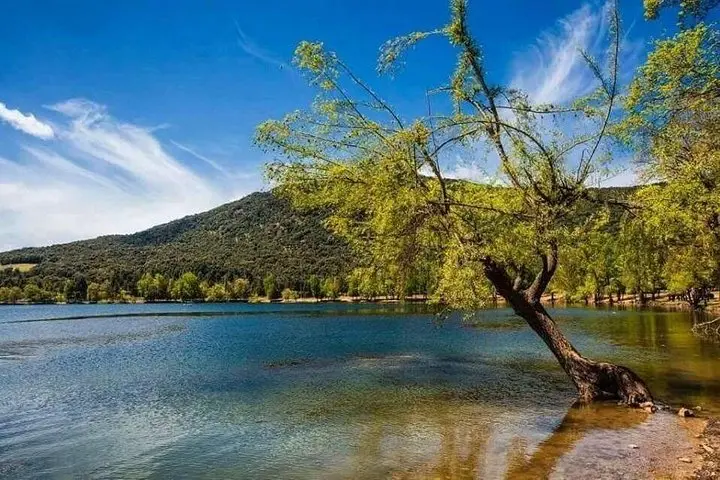
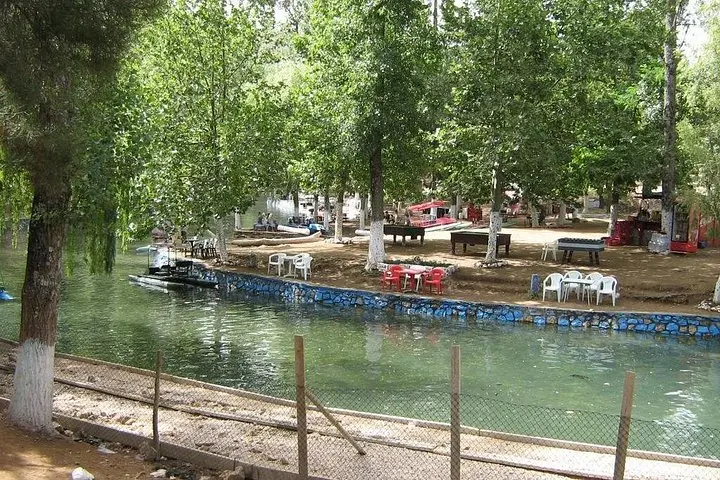
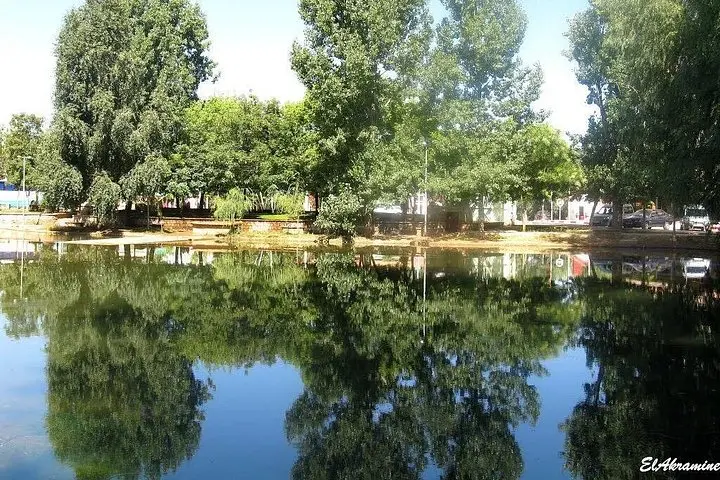
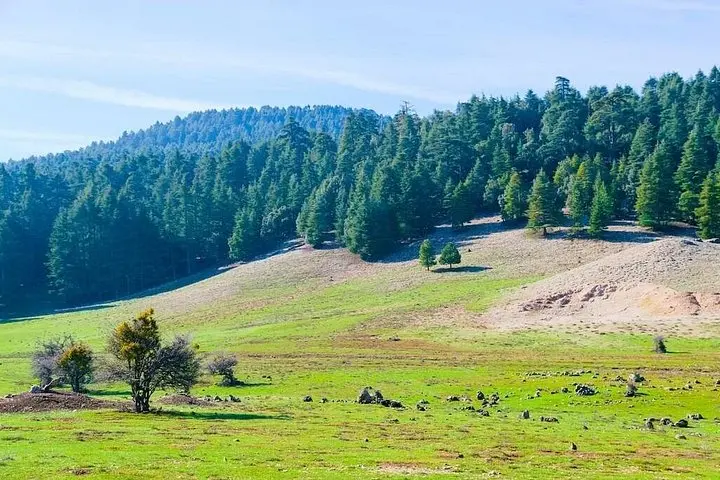
A pre-dawn pickup in Fes dissolves the city’s mosaic of alleys as the road climbs toward the Middle Atlas. Within an hour the air cools, and a narrow river dares you to look away while cedar-studded slopes slide past the window. First stop is the spring at Ain Soultane—clear, cold water that feeds a ribbon of stream and offers an easy riverside walk.
A pre-dawn pickup in Fes dissolves the city’s mosaic of alleys as the road climbs toward the Middle Atlas. Within an hour the air cools, and a narrow river dares you to look away while cedar-studded slopes slide past the window. First stop is the spring at Ain Soultane—clear, cold water that feeds a ribbon of stream and offers an easy riverside walk.
The route threads through geology older than the cities: folded limestone and volcanic plateaus that raise alpine valleys around 1,500–1,800 m. Ifrane, nicknamed “Switzerland of Morocco,” is a 20th-century French-built hill town with chalet-style architecture, planned boulevards, and an elevation near 1,665 m that gives clean air and long views of the range’s shoulder. Azrou follows, where ancient cedar groves host curious Barbary macaques; local horsemen often offer short rides along packed dirt tracks.
Culture here is quietly rural—Berber villages, seasonal shepherding, and markets selling honey and juniper. The day trip covers roughly 130–180 km of driving round-trip depending on the route and includes several short walks with light elevation change (typically under 200 m on lookouts).
Practical guidance: pack layers for mountain wind and sun, bring cash for small vendors, and wear grippy shoes for slippery spring trails. Respect wildlife—observe macaques without feeding them—and leave no trace in cedar groves. The private vehicle and English-speaking driver make logistics simple; expect a 6–7 hour outing with photo stops, short hikes, and village time to stretch legs and taste local flavors.