THE ADVENTURE COLLECTIVE® · Independent discovery and booking for outdoor travel

Leave Fez for an eight-hour circuit through the Middle Atlas: waterfalls at Sefrou, cave homes at Bahlil, the kasbah of Immouzèr and cedar forests around Ifrane and Azrou. Expect easy walks, close-up wildlife, and a direct introduction to Berber village life.
Leave Fez for an eight-hour circuit through the Middle Atlas: waterfalls at Sefrou, cave homes at Bahlil, the kasbah of Immouzèr and cedar forests around Ifrane and Azrou. Expect easy walks, close-up wildlife, and a direct introduction to Berber village life.
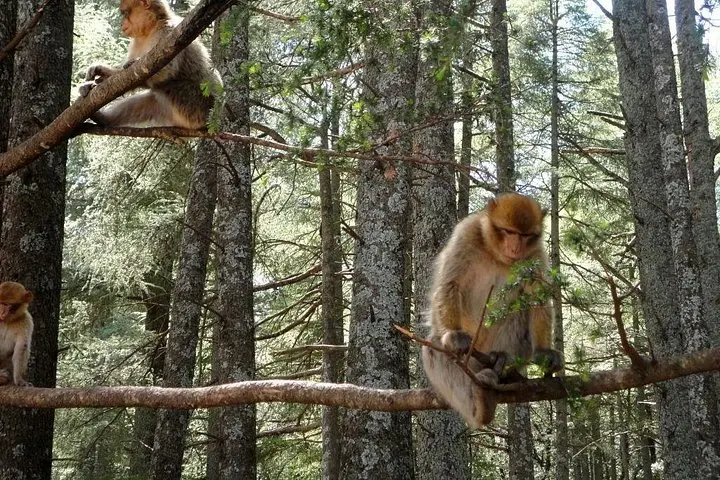
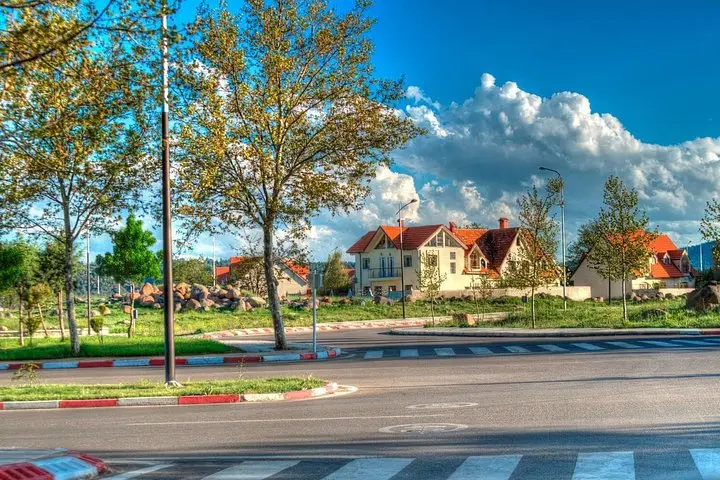
The road out of Fez climbs and folds into pine and cedar until the city’s din shrinks to a rearview echo. By midmorning you’re on a high plateau where the air feels cooler and the roofs change—slanted russet tiles of Ifrane appear like a European village dropped into cedar forest. The tour moves at a deliberate pace: waterfalls and a small medina at Sefrou, cave dwellings at Bahlil, the kasbah and views from Immouzèr du Kandar (1,220 m), and the cedar stands around Azrou where Barbary macaques appear in the branches.
Verified experiences and guided adventures in the surrounding area.
Operated by Morocco Classic Tours · Ifrane, Fès-Meknès
The road out of Fez climbs and folds into pine and cedar until the city’s din shrinks to a rearview echo. By midmorning you’re on a high plateau where the air feels cooler and the roofs change—slanted russet tiles of Ifrane appear like a European village dropped into cedar forest. The tour moves at a deliberate pace: waterfalls and a small medina at Sefrou, cave dwellings at Bahlil, the kasbah and views from Immouzèr du Kandar (1,220 m), and the cedar stands around Azrou where Barbary macaques appear in the branches.
Geology here is immediate—the Saïss Plateau gives way to limestone escarpments and cedar-covered slopes carved by glacial and fluvial action over millennia. Cultural layers are compact: prehistoric Berber communities left cave homes still occupied in Bahlil; French colonial planners added Ifrane in the 1920s as a hill station, altering architecture and road networks.
Expect short walks rather than long hikes: a minutes-long stroll in cedar woods, steps inside cave homes with low ceilings, and paved medina alleys. The guide often arranges a cup of mint tea in a Berber cave house—an easy, intimate window into daily life and craft traditions.
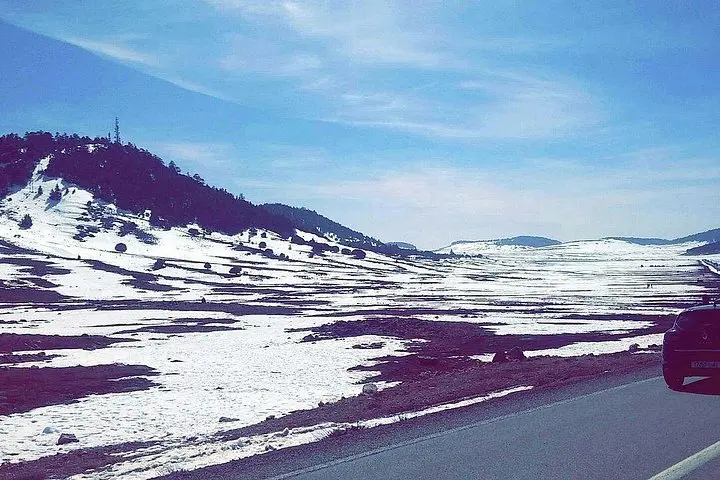
Practical notes: the day is about eight hours round-trip with door-to-door transfers from Fez, so arrive with layered clothing, sunscreen, and a full water bottle. Avoid feeding macaques; carry small local currency for quick purchases and tipping. Camera ready—wide-angle for landscapes, telephoto for macaques—and plan the season: spring brings blossoms and the Cherry Festival in Sefrou, while winter can be snowy at higher elevations.
The full tour is about eight hours round-trip; expect roughly 30–90 minutes between stops depending on traffic and stops.
You can observe them closely, but guides advise against feeding or touching—maintain distance for your safety and theirs.
The tour involves short uneven walks and steps; most stops are accessible from vehicle drop-offs, but fully wheelchair-accessible options are limited.
Guides and drivers typically speak English and French; local Berber or Arabic speakers appear in villages.
Morocco Classic Tours operates guided outdoor trips and adventures with an emphasis on safety, stewardship, and memorable experiences.
The road out of Fez climbs and folds into pine and cedar until the city’s din shrinks to a rearview echo. By midmorning you’re on a high plateau where the air feels cooler and the roofs change—slanted russet tiles of Ifrane appear like a European village dropped into cedar forest. The tour moves at a deliberate pace: waterfalls and a small medina at Sefrou, cave dwellings at Bahlil, the kasbah and views from Immouzèr du Kandar (1,220 m), and the cedar stands around Azrou where Barbary macaques appear in the branches.
The road out of Fez climbs and folds into pine and cedar until the city’s din shrinks to a rearview echo. By midmorning you’re on a high plateau where the air feels cooler and the roofs change—slanted russet tiles of Ifrane appear like a European village dropped into cedar forest. The tour moves at a deliberate pace: waterfalls and a small medina at Sefrou, cave dwellings at Bahlil, the kasbah and views from Immouzèr du Kandar (1,220 m), and the cedar stands around Azrou where Barbary macaques appear in the branches.
Geology here is immediate—the Saïss Plateau gives way to limestone escarpments and cedar-covered slopes carved by glacial and fluvial action over millennia. Cultural layers are compact: prehistoric Berber communities left cave homes still occupied in Bahlil; French colonial planners added Ifrane in the 1920s as a hill station, altering architecture and road networks.
Expect short walks rather than long hikes: a minutes-long stroll in cedar woods, steps inside cave homes with low ceilings, and paved medina alleys. The guide often arranges a cup of mint tea in a Berber cave house—an easy, intimate window into daily life and craft traditions.
Practical notes: the day is about eight hours round-trip with door-to-door transfers from Fez, so arrive with layered clothing, sunscreen, and a full water bottle. Avoid feeding macaques; carry small local currency for quick purchases and tipping. Camera ready—wide-angle for landscapes, telephoto for macaques—and plan the season: spring brings blossoms and the Cherry Festival in Sefrou, while winter can be snowy at higher elevations.