THE ADVENTURE COLLECTIVE® · Independent discovery and booking for outdoor travel

Escape Fez for a full-day circuit through the high Middle Atlas—Ifrane’s Alpine facades, the cedar groves of Azrou and close encounters with Barbary macaques. Perfect for travelers who want alpine air and village markets without overnight logistics.
Escape Fez for a full-day circuit through the high Middle Atlas—Ifrane’s Alpine facades, the cedar groves of Azrou and close encounters with Barbary macaques. Perfect for travelers who want alpine air and village markets without overnight logistics.
Morning light lifts off Fez as the minivan threads out of the city and into a high, folded landscape where oaks and cedars take the lead. The road climbs, air cools, and Ifrane appears with steep roofs and chimney-top stork nests, a town that wears its French-era planning like an unexpected costume. Continue to Azrou and a stand of Atlas cedars—Gouraud’s cedars—where Barbary macaques patrol the trunks and the forest breathes resin and earth.
Verified experiences and guided adventures in the surrounding area.
Operated by Travel to Sahara · Azrou, Fès-Meknès
Morning light lifts off Fez as the minivan threads out of the city and into a high, folded landscape where oaks and cedars take the lead. The road climbs, air cools, and Ifrane appears with steep roofs and chimney-top stork nests, a town that wears its French-era planning like an unexpected costume. Continue to Azrou and a stand of Atlas cedars—Gouraud’s cedars—where Barbary macaques patrol the trunks and the forest breathes resin and earth.
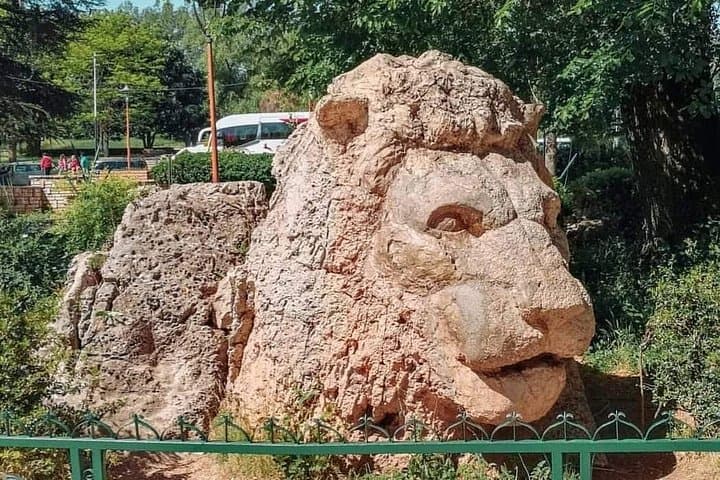
Geology here is old and patient: Jurassic limestone and sandstone sculpted into rounded ridges; soils thin on the flanks, deeper in orchards carved into terraces. Culturally, the Middle Atlas is Berber country—market towns, rock carvings, and a living craft tradition in Azrou’s square. Ifrane’s manicured parks reflect colonial-era attempts to make a European mountain town in North Africa.
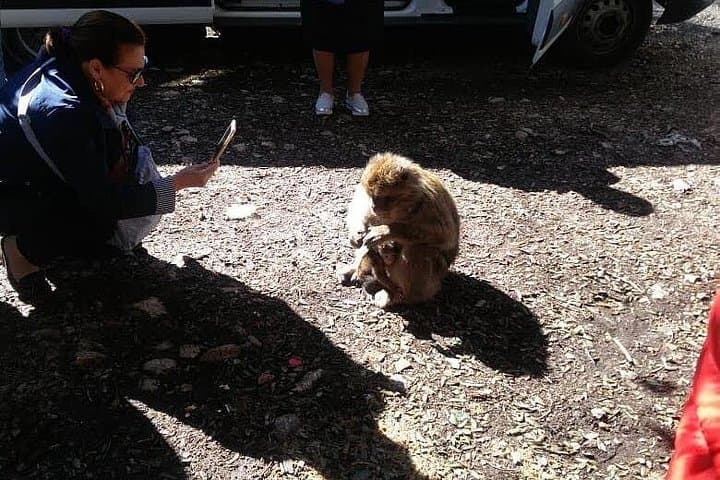
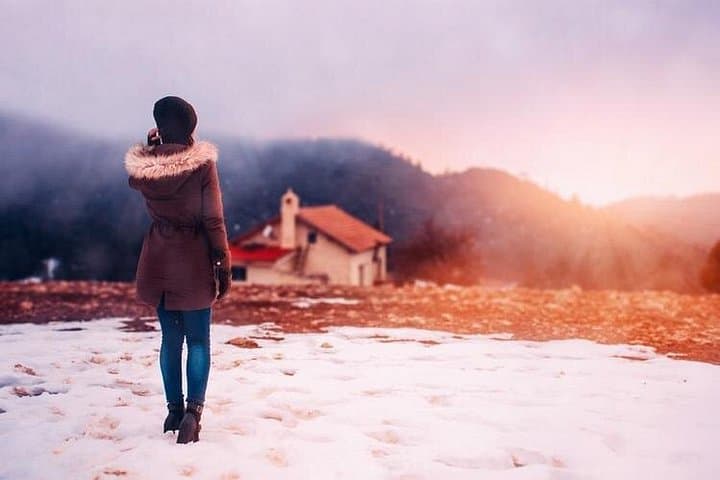
Expect short walks, viewpoints over cultivated valleys, and hands-off encounters with macaques that have learned to approach people—don’t feed them. The route is mostly paved; stops are timed for photos, tea, and a market browse. Depart early from Fes to catch morning light and active wildlife; winter brings snow and may close higher passes.
Practicalities: wear sturdy shoes, bring layers for altitude and shade for midday, carry cash for small stalls, and plan for a full day—roughly 10–11 hours door-to-door from Fez. Respect local customs in towns and follow guides’ instructions around wildlife. This trip is an accessible way to trade Fez’s medina bustle for a quieter, highland Morocco where trees, towns, and history push back the horizon.
The tour runs about 10–11 hours door-to-door from Fez, including travel, stops in Ifrane and Azrou, and short walks.
Yes—Azrou’s cedar groves commonly host Barbary macaques, but encounters vary; follow the guide’s instructions and don’t feed them.
Standard inclusions are hotel pickup/drop-off and transport by air-conditioned minivan with a professional driver; meals and snacks are usually not included so bring cash for local cafes or stalls.
Many parts of the route and transportation are accessible, but access at some viewpoints or market stalls may be uneven—check with the operator about specific needs.
Travel to Sahara operates guided outdoor trips and adventures with an emphasis on safety, stewardship, and memorable experiences.

Morning light lifts off Fez as the minivan threads out of the city and into a high, folded landscape where oaks and cedars take the lead. The road climbs, air cools, and Ifrane appears with steep roofs and chimney-top stork nests, a town that wears its French-era planning like an unexpected costume. Continue to Azrou and a stand of Atlas cedars—Gouraud’s cedars—where Barbary macaques patrol the trunks and the forest breathes resin and earth.
Morning light lifts off Fez as the minivan threads out of the city and into a high, folded landscape where oaks and cedars take the lead. The road climbs, air cools, and Ifrane appears with steep roofs and chimney-top stork nests, a town that wears its French-era planning like an unexpected costume. Continue to Azrou and a stand of Atlas cedars—Gouraud’s cedars—where Barbary macaques patrol the trunks and the forest breathes resin and earth.
Geology here is old and patient: Jurassic limestone and sandstone sculpted into rounded ridges; soils thin on the flanks, deeper in orchards carved into terraces. Culturally, the Middle Atlas is Berber country—market towns, rock carvings, and a living craft tradition in Azrou’s square. Ifrane’s manicured parks reflect colonial-era attempts to make a European mountain town in North Africa.
Expect short walks, viewpoints over cultivated valleys, and hands-off encounters with macaques that have learned to approach people—don’t feed them. The route is mostly paved; stops are timed for photos, tea, and a market browse. Depart early from Fes to catch morning light and active wildlife; winter brings snow and may close higher passes.
Practicalities: wear sturdy shoes, bring layers for altitude and shade for midday, carry cash for small stalls, and plan for a full day—roughly 10–11 hours door-to-door from Fez. Respect local customs in towns and follow guides’ instructions around wildlife. This trip is an accessible way to trade Fez’s medina bustle for a quieter, highland Morocco where trees, towns, and history push back the horizon.