THE ADVENTURE COLLECTIVE® · Independent discovery and booking for outdoor travel

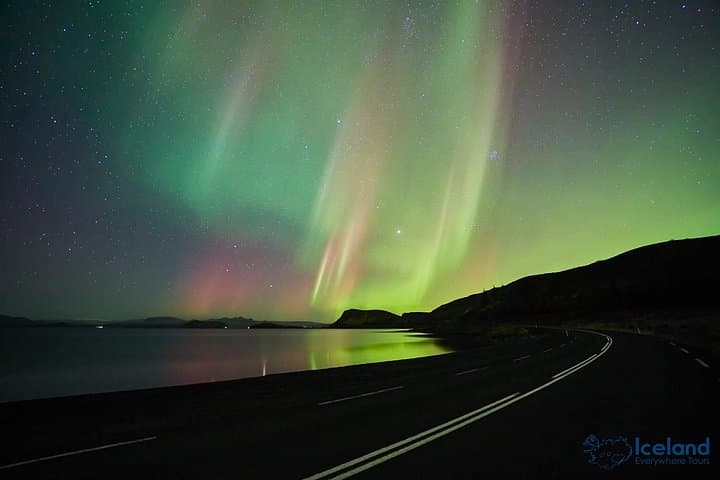
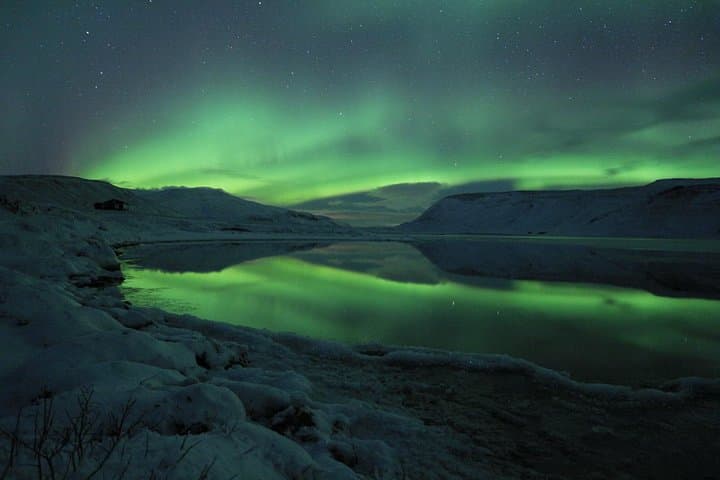
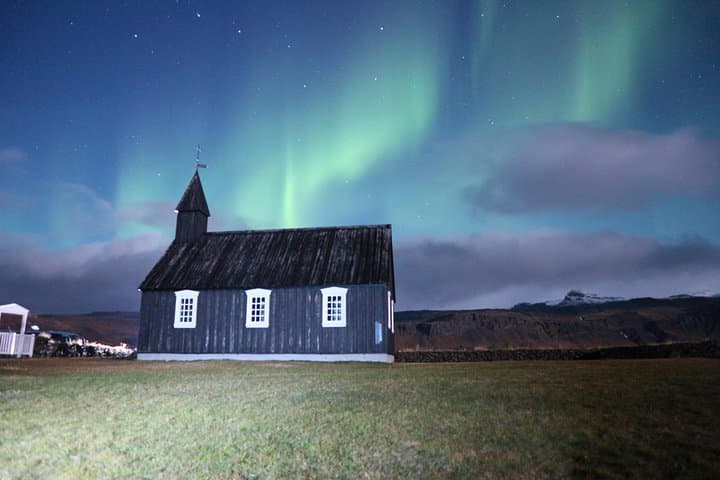
Head into Iceland’s dark winter nights by heated minibus to chase the aurora. Guides use forecasts and local knowledge to find clear viewing spots and help with photos — sightings aren’t guaranteed, but the tour maximizes your odds.
Head into Iceland’s dark winter nights by heated minibus to chase the aurora. Guides use forecasts and local knowledge to find clear viewing spots and help with photos — sightings aren’t guaranteed, but the tour maximizes your odds.
You step out of a warm minibus into a black Icelandic night and the sky is raw and wide, testing your patience and reward in equal measure.
Verified experiences and guided adventures in the surrounding area.
Operated by Iceland Everywhere Tours · Reykjavík, Capital Region
You step out of a warm minibus into a black Icelandic night and the sky is raw and wide, testing your patience and reward in equal measure.
Guides read cloud cover, auroral forecasts and road conditions, ferrying small groups away from Reykjavik’s glow toward coastal peninsulas and inland pullouts where the horizon feels nearer. The tour traces a modern layer over older stories: Viking settlers who watched northern skies for omens, and a geology of recent lava fields and glacially carved fjords that shape where dark skies gather.
Iceland’s position beneath the auroral oval makes it one of the most reliable places to spot northern lights, but displays depend on solar activity and clear skies. Culturally, the lights appear in sagas and local lore; scientists in Reykjavík now blend folklore with space weather forecasting to choose nights and road routes.
Practically, expect 3–5 hours on a heated minibus with short stops to step onto uneven ground and open beaches. Guides offer basic photography help and will photograph groups, so a pro camera is optional. Dress for near-freezing temperatures, bring layers and waterproof footwear — wind and stray spray from the shore can bite. Nights can change quickly; tours include hot chocolate and a free retry or reschedule if weather cancels.
Plan for late starts in winter months, limited daylight, and flexible timing. If you want the best odds, aim for clear, moonless nights in late autumn through early spring, and be prepared to trade warmth for the chance to watch the sky move and shift like a living map.
No — sightings depend on solar activity and clear skies; reputable operators offer a free retry or reschedule if the tour is canceled for weather.
No — guides will take pictures for participants, though a tripod and basic camera settings help capture stronger displays.
Pickups are typically from central Reykjavík bus stops or specified hotels; confirm your pickup point and allow time for collection which starts ~30 minutes before departure.
Operators monitor road and weather conditions and will reschedule or refund if unsafe; you may be offered an alternate night or full refund if canceled.
Iceland Everywhere Tours operates guided outdoor trips and adventures with an emphasis on safety, stewardship, and memorable experiences.

You step out of a warm minibus into a black Icelandic night and the sky is raw and wide, testing your patience and reward in equal measure.
You step out of a warm minibus into a black Icelandic night and the sky is raw and wide, testing your patience and reward in equal measure.
Guides read cloud cover, auroral forecasts and road conditions, ferrying small groups away from Reykjavik’s glow toward coastal peninsulas and inland pullouts where the horizon feels nearer. The tour traces a modern layer over older stories: Viking settlers who watched northern skies for omens, and a geology of recent lava fields and glacially carved fjords that shape where dark skies gather.
Iceland’s position beneath the auroral oval makes it one of the most reliable places to spot northern lights, but displays depend on solar activity and clear skies. Culturally, the lights appear in sagas and local lore; scientists in Reykjavík now blend folklore with space weather forecasting to choose nights and road routes.
Practically, expect 3–5 hours on a heated minibus with short stops to step onto uneven ground and open beaches. Guides offer basic photography help and will photograph groups, so a pro camera is optional. Dress for near-freezing temperatures, bring layers and waterproof footwear — wind and stray spray from the shore can bite. Nights can change quickly; tours include hot chocolate and a free retry or reschedule if weather cancels.
Plan for late starts in winter months, limited daylight, and flexible timing. If you want the best odds, aim for clear, moonless nights in late autumn through early spring, and be prepared to trade warmth for the chance to watch the sky move and shift like a living map.