THE ADVENTURE COLLECTIVE® · Independent discovery and booking for outdoor travel

A one-day, flight-return safari from Zanzibar to Mikumi taps the Mkata Floodplain’s dense wildlife in a single, approachable day. Expect short flights, long views, and concentrated game drives timed for peak animal activity.
A one-day, flight-return safari from Zanzibar to Mikumi taps the Mkata Floodplain’s dense wildlife in a single, approachable day. Expect short flights, long views, and concentrated game drives timed for peak animal activity.
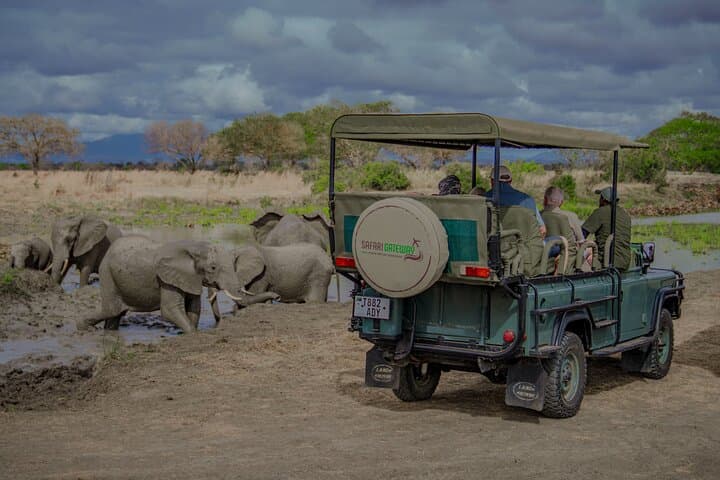
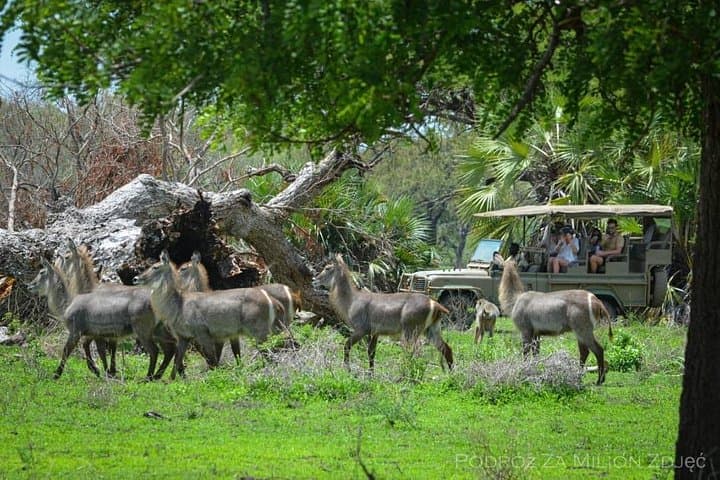
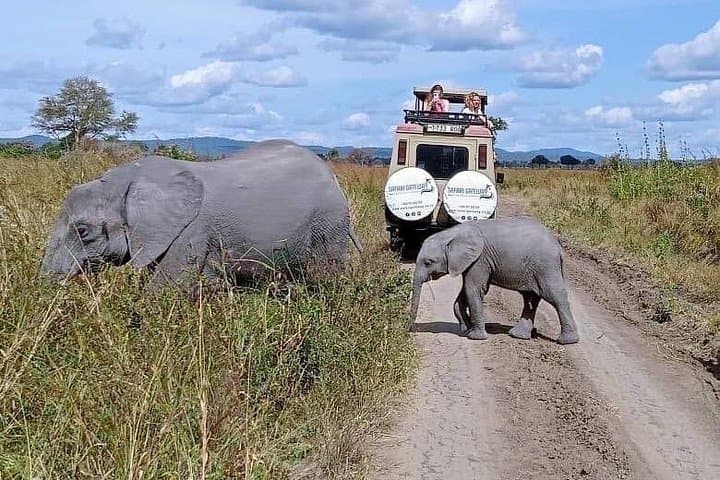
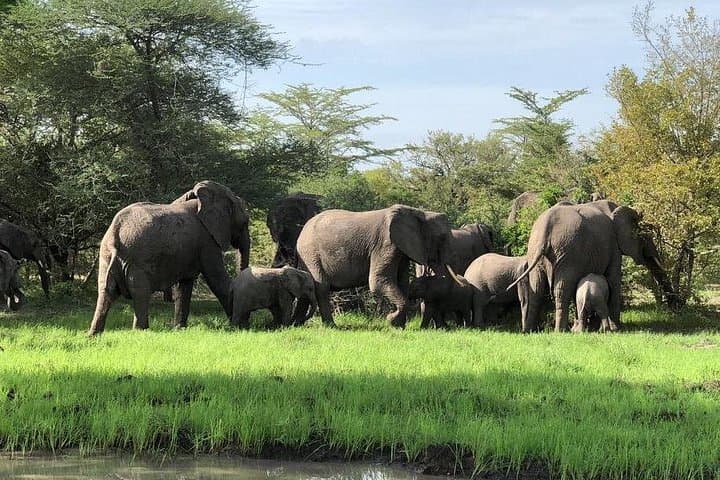
You touch down on a low, dusty airstrip as the sun punches through acacia silhouettes and the Mkata Floodplain stretches like an open map ahead. Within an hour of leaving Zanzibar you trade ocean air for dry savannah wind; the jeep slips onto rutted tracks and the plains begin to reveal their cast—giraffes at a distance, zebra bands marching, and the telltale rumble of buffalo.
Verified experiences and guided adventures in the surrounding area.
Operated by Safari Gateway Ltd · Mikumi, Morogoro Region
You touch down on a low, dusty airstrip as the sun punches through acacia silhouettes and the Mkata Floodplain stretches like an open map ahead. Within an hour of leaving Zanzibar you trade ocean air for dry savannah wind; the jeep slips onto rutted tracks and the plains begin to reveal their cast—giraffes at a distance, zebra bands marching, and the telltale rumble of buffalo.
Mikumi National Park sits at the northern edge of the great Selous ecosystem. Geologically it’s a mix of floodplain and inselberg outcrops—flat, fertile Mkata plain interrupted by rocky kopjes that funnel migrating herds. The park’s reputation comes from this concentration of plains species and hippo pools that gather life in the heat.
Local culture around Mikumi reflects rural Tanzanian village life: small settlements, guiding traditions, and park rangers who manage human-wildlife interaction. Conservation here balances tourism with seasonal grazing and the park’s role as a wildlife corridor to Selous.
Practically: this is a full-day, air-transfer safari—expect roughly 45–60 minute flights each way and 6–8 hours of game viewing on the ground. Mornings and late afternoons are highest-activity windows for predators and grazers, so the flight schedule is timed for prime light. Wear neutral, breathable layers, carry binoculars and sunscreen, and be ready for bumpy tracks and open-vehicle sun. The tour includes returns to the airstrip by mid-afternoon for your flight back to Zanzibar—an intense, efficient taste of Tanzania’s plains for travelers short on time.
Flights typically take about 45–60 minutes each way; the tour schedule is arranged to maximize game drive time in the park.
Common sightings include giraffe, zebra, elephant, buffalo, impala and sometimes lions; hippo pools are reliable for seeing hippos and waterfowl.
The tour is family-friendly and listed as suitable for all fitness levels; some vehicles and airport transfers are wheelchair accessible but confirm specifics with the operator in advance.
Bring sun protection, a refillable water bottle, binoculars, comfortable neutral clothing, and any personal medications—food and bottled water are provided on the jeep.
Safari Gateway Ltd operates guided outdoor trips and adventures with an emphasis on safety, stewardship, and memorable experiences.
You touch down on a low, dusty airstrip as the sun punches through acacia silhouettes and the Mkata Floodplain stretches like an open map ahead. Within an hour of leaving Zanzibar you trade ocean air for dry savannah wind; the jeep slips onto rutted tracks and the plains begin to reveal their cast—giraffes at a distance, zebra bands marching, and the telltale rumble of buffalo.
You touch down on a low, dusty airstrip as the sun punches through acacia silhouettes and the Mkata Floodplain stretches like an open map ahead. Within an hour of leaving Zanzibar you trade ocean air for dry savannah wind; the jeep slips onto rutted tracks and the plains begin to reveal their cast—giraffes at a distance, zebra bands marching, and the telltale rumble of buffalo.
Mikumi National Park sits at the northern edge of the great Selous ecosystem. Geologically it’s a mix of floodplain and inselberg outcrops—flat, fertile Mkata plain interrupted by rocky kopjes that funnel migrating herds. The park’s reputation comes from this concentration of plains species and hippo pools that gather life in the heat.
Local culture around Mikumi reflects rural Tanzanian village life: small settlements, guiding traditions, and park rangers who manage human-wildlife interaction. Conservation here balances tourism with seasonal grazing and the park’s role as a wildlife corridor to Selous.
Practically: this is a full-day, air-transfer safari—expect roughly 45–60 minute flights each way and 6–8 hours of game viewing on the ground. Mornings and late afternoons are highest-activity windows for predators and grazers, so the flight schedule is timed for prime light. Wear neutral, breathable layers, carry binoculars and sunscreen, and be ready for bumpy tracks and open-vehicle sun. The tour includes returns to the airstrip by mid-afternoon for your flight back to Zanzibar—an intense, efficient taste of Tanzania’s plains for travelers short on time.