THE ADVENTURE COLLECTIVE® · Independent discovery and booking for outdoor travel

A compact 48‑hour safari from Dar es Salaam that focuses on game drives across the Mkata Floodplain. Ideal for travelers wanting reliable wildlife viewing and an overnight camp experience without a long overland transfer.
A compact 48‑hour safari from Dar es Salaam that focuses on game drives across the Mkata Floodplain. Ideal for travelers wanting reliable wildlife viewing and an overnight camp experience without a long overland transfer.
Dust kicks up behind the safari vehicle as you crest the last ridge and the Mkata Floodplain opens: a wide, low basin where grasses push and ripple like ocean swell and herds move with slow, deliberate intent.
Verified experiences and guided adventures in the surrounding area.
Operated by Usambara Trails Expedition Ltd · Mikumi, Morogoro Region
Dust kicks up behind the safari vehicle as you crest the last ridge and the Mkata Floodplain opens: a wide, low basin where grasses push and ripple like ocean swell and herds move with slow, deliberate intent.
Mikumi sits on the edge of the greater Selous ecosystem and has long been a corridor between coastal lowlands and the central highlands. Geologically, the park’s flat floodplain contrasts with the surrounding ridges and the nearby Uluguru foothills; seasonal rains carve temporary channels that reshape grazing patterns and concentrate wildlife.
Local Maasai and Ruvu communities have coexisted with these animals for generations—today, small camps and track-side lodges reflect both tourism and traditional pastoral life. Birds claim the skies here; reptiles warm themselves on sunlit termite mounds.
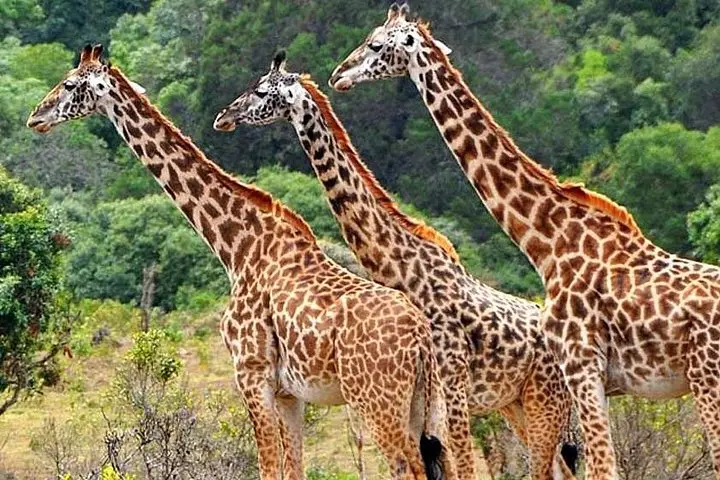
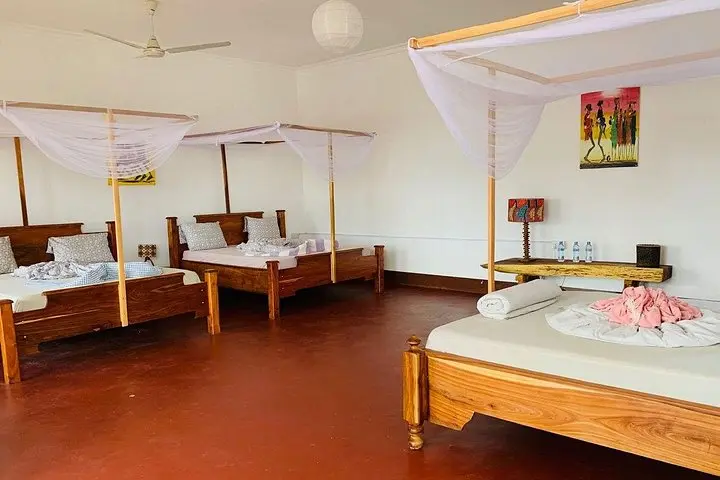
On a typical 2-day itinerary you’ll transfer from Dar es Salaam before sunrise, ride into the park for a late-morning game drive, sleep under canvas or at a basic cottage, then return for a dawn drive when predators and grazers are most active. Expect open savanna, acacia patches, and reliable sightings of zebra, giraffe, elephant and buffalo; lions and hippos are present but less predictable.
Practical notes: carry layered clothing for cool mornings and hot afternoons, bring binoculars and a long lens if you want close-up wildlife frames, and keep water and sunscreen handy. Vehicles handle most distances, but expect bumpy tracks and dust—pack accordingly.
This short safari is compact but generous: it delivers classic East African plains, big-sky views, and concentrated opportunities to watch animal behavior without the multi-day commitment of more remote reserves.
Expect roughly 4–5 hours each way depending on traffic and road conditions; travel is over the Uluguru foothills and then across the plain.
Most operators include game drive fees, basic accommodation and meals in the package—confirm inclusions when you book.
Malaria is present in this region—consult a travel clinic for antimalarial medication and routine vaccinations before travel.
The tour notes advise caution for pregnant travelers and those with spinal or serious heart conditions; children are usually allowed but check minimum age and seat arrangements.
Usambara Trails Expedition Ltd operates guided outdoor trips and adventures with an emphasis on safety, stewardship, and memorable experiences.
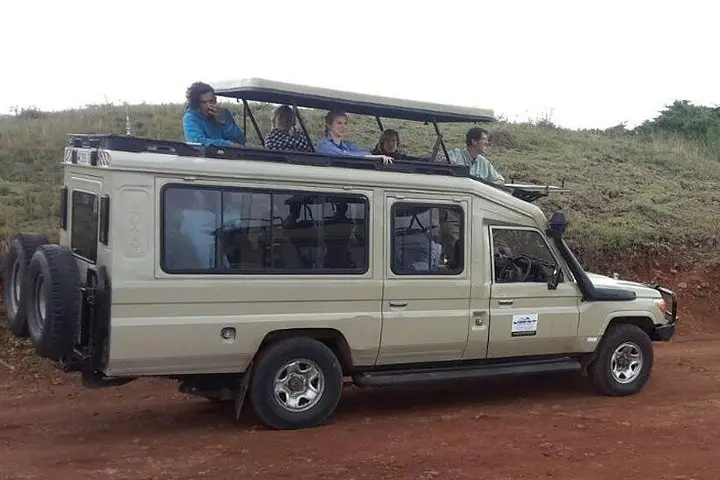
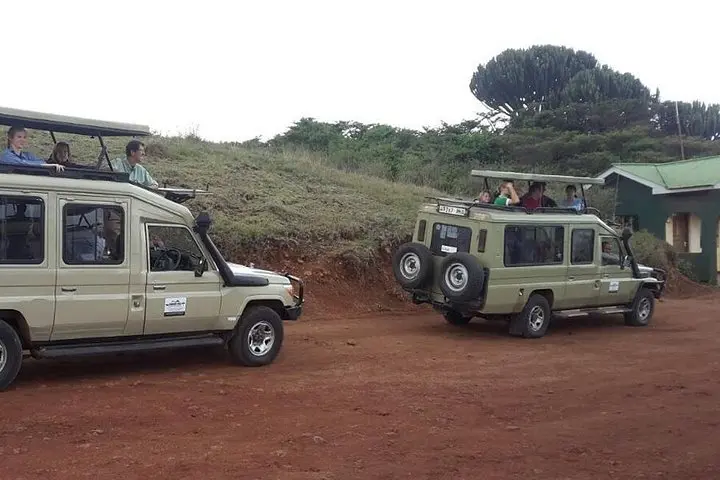
Dust kicks up behind the safari vehicle as you crest the last ridge and the Mkata Floodplain opens: a wide, low basin where grasses push and ripple like ocean swell and herds move with slow, deliberate intent.
Dust kicks up behind the safari vehicle as you crest the last ridge and the Mkata Floodplain opens: a wide, low basin where grasses push and ripple like ocean swell and herds move with slow, deliberate intent.
Mikumi sits on the edge of the greater Selous ecosystem and has long been a corridor between coastal lowlands and the central highlands. Geologically, the park’s flat floodplain contrasts with the surrounding ridges and the nearby Uluguru foothills; seasonal rains carve temporary channels that reshape grazing patterns and concentrate wildlife.
Local Maasai and Ruvu communities have coexisted with these animals for generations—today, small camps and track-side lodges reflect both tourism and traditional pastoral life. Birds claim the skies here; reptiles warm themselves on sunlit termite mounds.
On a typical 2-day itinerary you’ll transfer from Dar es Salaam before sunrise, ride into the park for a late-morning game drive, sleep under canvas or at a basic cottage, then return for a dawn drive when predators and grazers are most active. Expect open savanna, acacia patches, and reliable sightings of zebra, giraffe, elephant and buffalo; lions and hippos are present but less predictable.
Practical notes: carry layered clothing for cool mornings and hot afternoons, bring binoculars and a long lens if you want close-up wildlife frames, and keep water and sunscreen handy. Vehicles handle most distances, but expect bumpy tracks and dust—pack accordingly.
This short safari is compact but generous: it delivers classic East African plains, big-sky views, and concentrated opportunities to watch animal behavior without the multi-day commitment of more remote reserves.