THE ADVENTURE COLLECTIVE® · Independent discovery and booking for outdoor travel

Travel from Zanzibar by ferry and electric train to Mikumi National Park on a compact, budget-conscious 3-day safari. Expect city stops, savannah drives, and close wildlife encounters across varied terrain.
Travel from Zanzibar by ferry and electric train to Mikumi National Park on a compact, budget-conscious 3-day safari. Expect city stops, savannah drives, and close wildlife encounters across varied terrain.
A low, humid wind from the coast follows the ferry as it pushes off Zanzibar, and by the time the electric train slides out of Dar es Salaam the palm-scented air has given way to dry, wide light. On day one the itinerary threads through cities—Dar es Salaam’s bustle, Morogoro’s roadside markets—until the landscape opens into heat and horizon: Mikumi’s grasslands stretching away like a living map of spoor and shadow.
Verified experiences and guided adventures in the surrounding area.
Operated by Adroit Tour Guide · Mikumi, Morogoro Region
A low, humid wind from the coast follows the ferry as it pushes off Zanzibar, and by the time the electric train slides out of Dar es Salaam the palm-scented air has given way to dry, wide light. On day one the itinerary threads through cities—Dar es Salaam’s bustle, Morogoro’s roadside markets—until the landscape opens into heat and horizon: Mikumi’s grasslands stretching away like a living map of spoor and shadow.
Mikumi National Park sits on the southern edge of the Eastern Arc foothills and the Mkata floodplain; its geology is a mix of rolling savannah, granite outcrops and seasonal rivers that shape where animals gather. The park, set aside in the 1960s to protect migration corridors, is culturally woven into nearby Wahehe and Luguru communities whose markets and roadside stalls supply lodges and camps.
Expect classic East African safari rhythms: early morning drives when lions finish hunting and elephants move toward water, slow midday rests beneath acacia, and late-afternoon golden hours that paint giraffes and zebras in sharp relief. Guides here read the land—tracks, dung, and dust—as a language.
Practical notes: accommodations are basic to mid-range; comfort depends on lodge choice. Pack neutral clothing, sturdy walking shoes, a wide-brim hat, and a good pair of binoculars. Nights can be surprisingly cool; bring a warm layer. Healthwise, confirm vaccinations and bring malaria prophylaxis. Transfers include ferry and Tanzania’s Standard Gauge Railway—plan for luggage limits and a relaxed travel tempo. For photographers and wildlife lovers, Mikumi rewards patience: the savannah will make you wait, then give moments worth staying up for.
The tour uses a ferry to the mainland, then transfers by road and Tanzania’s standard gauge train (SGR) via Dar es Salaam to Morogoro, followed by a drive to Mikumi—expect a full travel day to reach the park.
This tour lists meals (breakfast and lunch) and fees in its inclusions, but confirm with the operator which lodges and any optional extras are covered before booking.
Infants are allowed but must sit on laps; consider the long transfers and game-drive conditions—this is better suited to children used to travel and quiet vehicle time.
Yes—consult a travel clinic for up-to-date recommendations, including yellow fever if required and malaria prophylaxis for lowland safari areas like Mikumi.
Adroit Tour Guide operates guided outdoor trips and adventures with an emphasis on safety, stewardship, and memorable experiences.



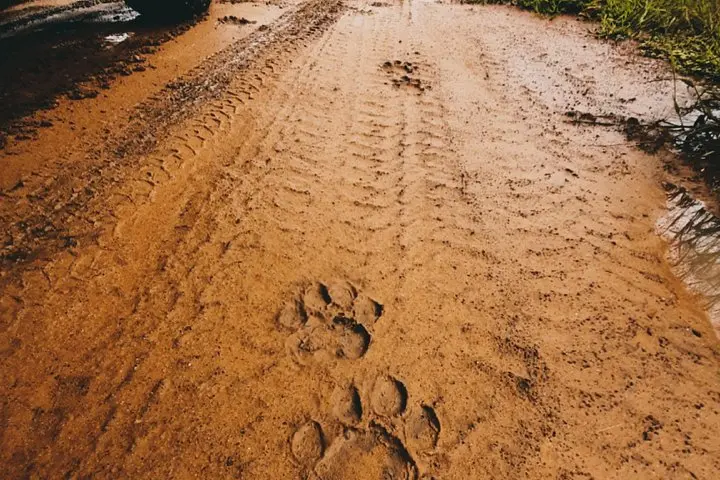
A low, humid wind from the coast follows the ferry as it pushes off Zanzibar, and by the time the electric train slides out of Dar es Salaam the palm-scented air has given way to dry, wide light. On day one the itinerary threads through cities—Dar es Salaam’s bustle, Morogoro’s roadside markets—until the landscape opens into heat and horizon: Mikumi’s grasslands stretching away like a living map of spoor and shadow.
A low, humid wind from the coast follows the ferry as it pushes off Zanzibar, and by the time the electric train slides out of Dar es Salaam the palm-scented air has given way to dry, wide light. On day one the itinerary threads through cities—Dar es Salaam’s bustle, Morogoro’s roadside markets—until the landscape opens into heat and horizon: Mikumi’s grasslands stretching away like a living map of spoor and shadow.
Mikumi National Park sits on the southern edge of the Eastern Arc foothills and the Mkata floodplain; its geology is a mix of rolling savannah, granite outcrops and seasonal rivers that shape where animals gather. The park, set aside in the 1960s to protect migration corridors, is culturally woven into nearby Wahehe and Luguru communities whose markets and roadside stalls supply lodges and camps.
Expect classic East African safari rhythms: early morning drives when lions finish hunting and elephants move toward water, slow midday rests beneath acacia, and late-afternoon golden hours that paint giraffes and zebras in sharp relief. Guides here read the land—tracks, dung, and dust—as a language.
Practical notes: accommodations are basic to mid-range; comfort depends on lodge choice. Pack neutral clothing, sturdy walking shoes, a wide-brim hat, and a good pair of binoculars. Nights can be surprisingly cool; bring a warm layer. Healthwise, confirm vaccinations and bring malaria prophylaxis. Transfers include ferry and Tanzania’s Standard Gauge Railway—plan for luggage limits and a relaxed travel tempo. For photographers and wildlife lovers, Mikumi rewards patience: the savannah will make you wait, then give moments worth staying up for.