THE ADVENTURE COLLECTIVE® · Independent discovery and booking for outdoor travel

Ascend Branca Tower before the crowds, stroll Parco Sempione, and explore Sforza Castle on a focused two-hour tour. Early access delivers panoramic cityscapes, clearer photos, and a quiet view into Milan’s layered history.
Ascend Branca Tower before the crowds, stroll Parco Sempione, and explore Sforza Castle on a focused two-hour tour. Early access delivers panoramic cityscapes, clearer photos, and a quiet view into Milan’s layered history.
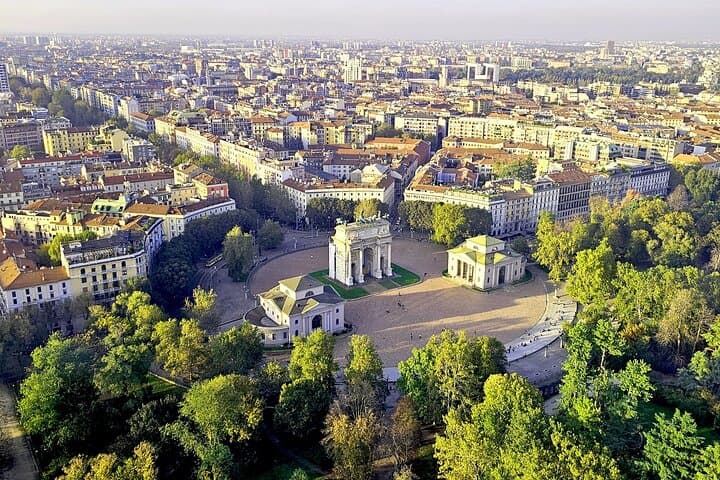
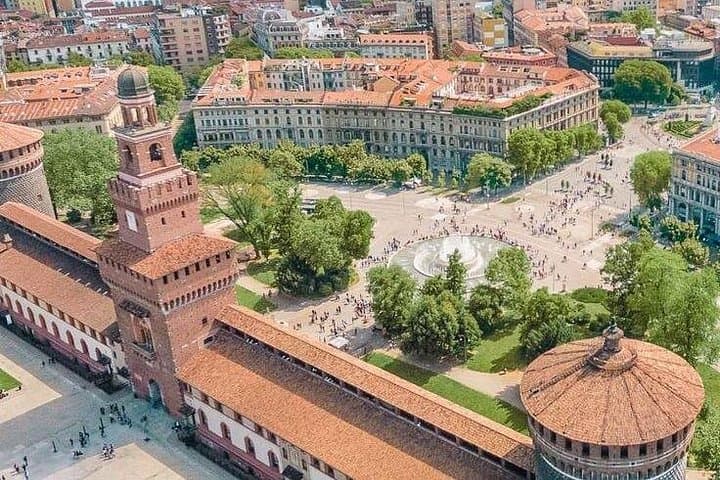
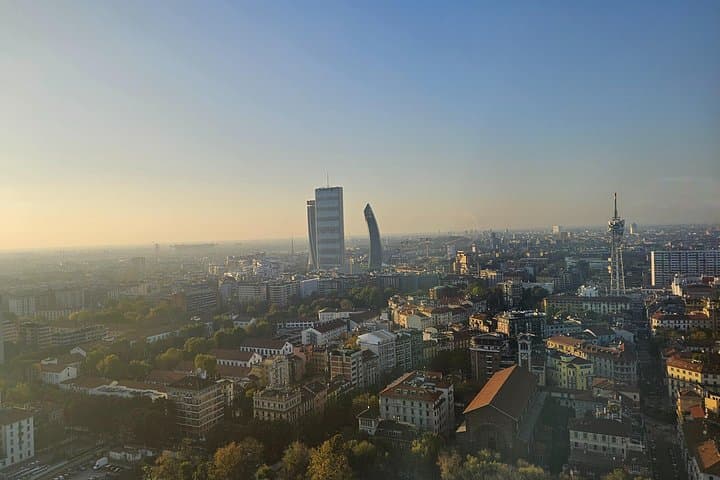
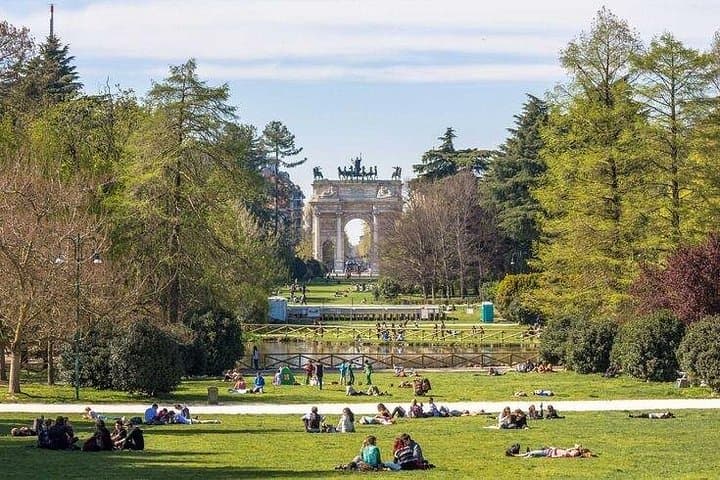
You step into Parco Sempione just before the city wakes; iron gates have opened and the morning air drifts cool across the manicured lawns. The tour moves deliberately—past sculpted paths, toward a modernist needle of steel and glass that rises above the trees. Inside the Branca Tower, the elevator hums and the city spreads like a living map beneath you: tiled rooftops, the crenellations of Sforza Castle, and distant Alpine profiles daring your gaze.
Verified experiences and guided adventures in the surrounding area.
Operated by Wanderinitaly · Milan, Lombardy
You step into Parco Sempione just before the city wakes; iron gates have opened and the morning air drifts cool across the manicured lawns. The tour moves deliberately—past sculpted paths, toward a modernist needle of steel and glass that rises above the trees. Inside the Branca Tower, the elevator hums and the city spreads like a living map beneath you: tiled rooftops, the crenellations of Sforza Castle, and distant Alpine profiles daring your gaze.
This walk threads three eras of Milanese identity. Torre Branca, designed by Gio Ponti in the 1930s, represents Italy’s modernist ambitions; Parco Sempione carries 19th-century civic design and once served as noble hunting grounds before becoming a public lung in 1894. The nearby Sforza Castle dates to the 15th century as a ducal stronghold and later a municipal museum complex that houses works tied to Renaissance Milan.
Expect paved park paths, a short elevator ascent (under a minute), and brisk walking between sites over roughly two hours. The skyline view rewards clear days—Alps to the north, the Lombardy plain to the horizon—while the castle interiors reveal courtyards, frescoed rooms, and museum collections.
Practical guidance: arrive 10 minutes early to check in, bring a compact jacket for wind at the tower platform, and carry a small bottle of water. Early access reduces crowds and improves photography light; it also means a slightly brisker pace through the castle. This is a short, culturally rich loop that combines architecture, green space, and a city-sized panorama—ideal for travelers seeking a sharp, efficient encounter with Milan’s public heart.
Yes—Torre Branca has a modern elevator that reaches the viewing platform in under a minute and accommodates small groups.
Yes—entrance and reservation fees for the castle are included in the tour price as noted in the listing.
The provider lists wheelchair and stroller accessibility for surfaces and transportation; check specific exhibit access inside the castle, as some historic rooms use steps.
Guides are local experts; confirm language availability at booking since guided commentary may be offered in major languages or require minimum numbers.
Wanderinitaly operates guided outdoor trips and adventures with an emphasis on safety, stewardship, and memorable experiences.
You step into Parco Sempione just before the city wakes; iron gates have opened and the morning air drifts cool across the manicured lawns. The tour moves deliberately—past sculpted paths, toward a modernist needle of steel and glass that rises above the trees. Inside the Branca Tower, the elevator hums and the city spreads like a living map beneath you: tiled rooftops, the crenellations of Sforza Castle, and distant Alpine profiles daring your gaze.
You step into Parco Sempione just before the city wakes; iron gates have opened and the morning air drifts cool across the manicured lawns. The tour moves deliberately—past sculpted paths, toward a modernist needle of steel and glass that rises above the trees. Inside the Branca Tower, the elevator hums and the city spreads like a living map beneath you: tiled rooftops, the crenellations of Sforza Castle, and distant Alpine profiles daring your gaze.
This walk threads three eras of Milanese identity. Torre Branca, designed by Gio Ponti in the 1930s, represents Italy’s modernist ambitions; Parco Sempione carries 19th-century civic design and once served as noble hunting grounds before becoming a public lung in 1894. The nearby Sforza Castle dates to the 15th century as a ducal stronghold and later a municipal museum complex that houses works tied to Renaissance Milan.
Expect paved park paths, a short elevator ascent (under a minute), and brisk walking between sites over roughly two hours. The skyline view rewards clear days—Alps to the north, the Lombardy plain to the horizon—while the castle interiors reveal courtyards, frescoed rooms, and museum collections.
Practical guidance: arrive 10 minutes early to check in, bring a compact jacket for wind at the tower platform, and carry a small bottle of water. Early access reduces crowds and improves photography light; it also means a slightly brisker pace through the castle. This is a short, culturally rich loop that combines architecture, green space, and a city-sized panorama—ideal for travelers seeking a sharp, efficient encounter with Milan’s public heart.