THE ADVENTURE COLLECTIVE® · Independent discovery and booking for outdoor travel

Taste Milan with a local guide on this 2.5‑hour walking food tour that threads Roman ruins, medieval castles, and the Duomo through a sequence of street‑food stops. Learn the stories behind each bite while sampling classic Milanese flavors.
Taste Milan with a local guide on this 2.5‑hour walking food tour that threads Roman ruins, medieval castles, and the Duomo through a sequence of street‑food stops. Learn the stories behind each bite while sampling classic Milanese flavors.
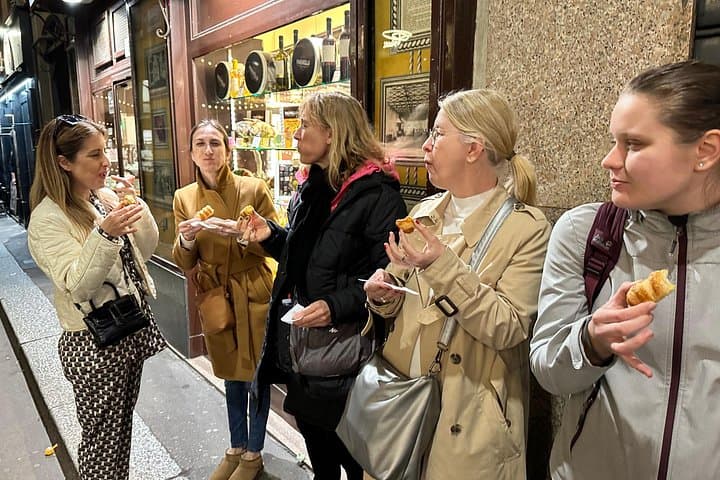
A late-afternoon sun slides down Milan’s narrow streets and the air tightens with the scent of frying dough and roasted espresso. You step out from the shadow of the Duomo and follow a local guide through a patchwork of piazzas, church façades and Roman columns, pausing where steam rises from a vendor’s paper cone.
Verified experiences and guided adventures in the surrounding area.
Operated by Simona Tours · Milan, Lombardy
A late-afternoon sun slides down Milan’s narrow streets and the air tightens with the scent of frying dough and roasted espresso. You step out from the shadow of the Duomo and follow a local guide through a patchwork of piazzas, church façades and Roman columns, pausing where steam rises from a vendor’s paper cone.
This 2.5-hour walk maps food onto history: Sforza Castle’s 15th-century walls that once guarded dukes, the Roman Columns of St. Lawrence that lean on two millennia of city life, and the gilded interiors of San Maurizio where frescoed walls hum with past patrons. Milan’s geology—the flat alluvial plain of the Po Valley—made it a crossroads for trade, and that mercantile history shows in the city’s hybrid cuisine: hearty northern risottos rubbing shoulders with Ligurian focaccia and Neapolitan panzerotti.
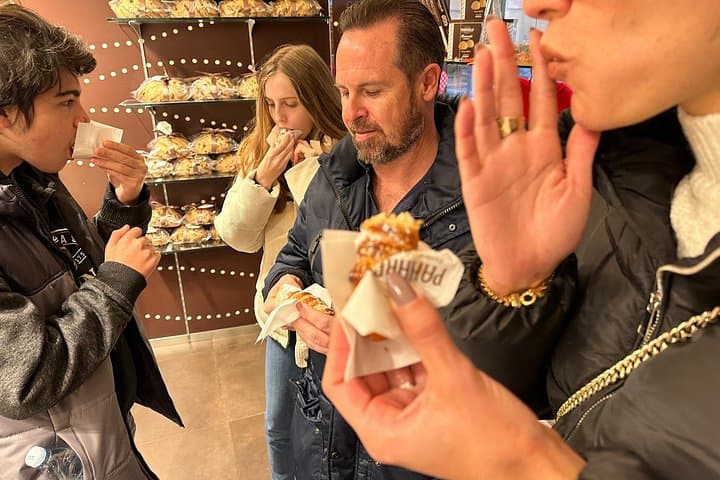
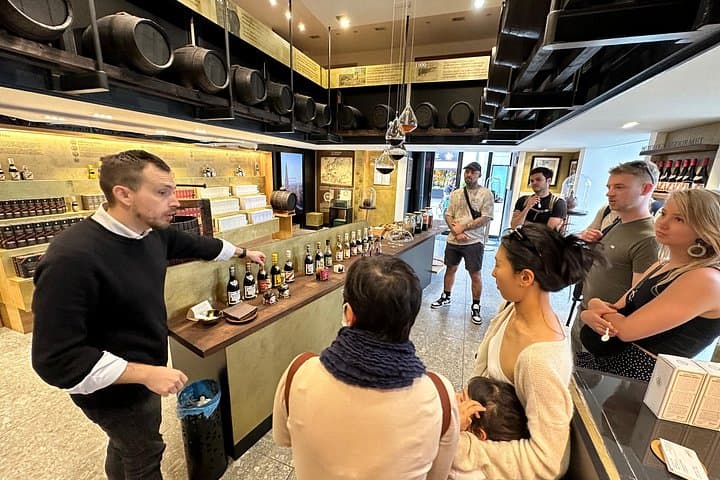
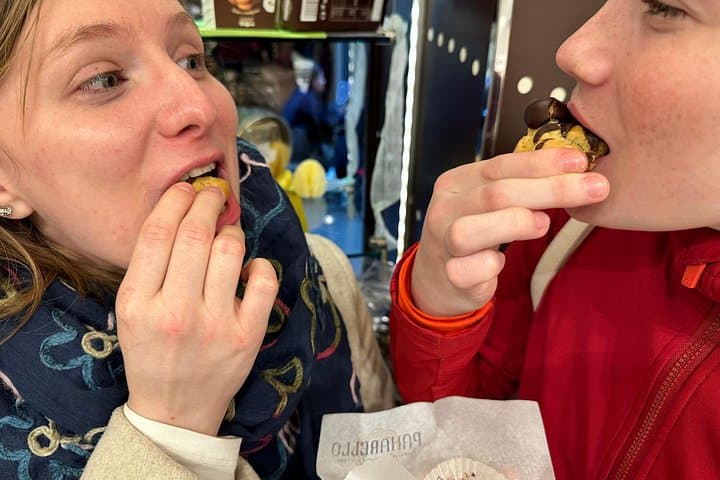
Expect hands-on tasting, quick stops at bakeries and markets, and contextual stories that tie each morsel to a neighborhood. The tour moves at an easy urban pace over paved streets and occasional stairways; comfortable footwear is essential.
Practical notes: bring small change, flag dietary restrictions in advance, and arrive hungry—portions are generous but designed to share. Midday tours are liveliest for markets; evenings better for street-food stalls. Respect historic sites by keeping voices low inside churches and disposing of wrappers in bins. This walk is equal parts history lesson and tasting session—an efficient, flavorful way to read Milan through its local plates.
The tour lasts approximately 2.5 hours at a relaxed walking pace with frequent stops for tastings and brief explanations at historic sites.
Inform the operator at booking and your guide on arrival; the tour notes it cannot accommodate vegan, gluten‑free or strict dairy‑free diets and cross contamination risks exist for nut allergies.
This tour passes by the Duomo and Sforza Castle and includes visits to selected churches and sites such as San Maurizio and the Basilica of St. Ambrogio, but major ticketed entries are viewed from outside unless otherwise specified.
Yes—central Milan has extensive metro and tram connections; the meeting point is typically within easy reach of Duomo metro stops.
Simona Tours operates guided outdoor trips and adventures with an emphasis on safety, stewardship, and memorable experiences.
A late-afternoon sun slides down Milan’s narrow streets and the air tightens with the scent of frying dough and roasted espresso. You step out from the shadow of the Duomo and follow a local guide through a patchwork of piazzas, church façades and Roman columns, pausing where steam rises from a vendor’s paper cone.
A late-afternoon sun slides down Milan’s narrow streets and the air tightens with the scent of frying dough and roasted espresso. You step out from the shadow of the Duomo and follow a local guide through a patchwork of piazzas, church façades and Roman columns, pausing where steam rises from a vendor’s paper cone.
This 2.5-hour walk maps food onto history: Sforza Castle’s 15th-century walls that once guarded dukes, the Roman Columns of St. Lawrence that lean on two millennia of city life, and the gilded interiors of San Maurizio where frescoed walls hum with past patrons. Milan’s geology—the flat alluvial plain of the Po Valley—made it a crossroads for trade, and that mercantile history shows in the city’s hybrid cuisine: hearty northern risottos rubbing shoulders with Ligurian focaccia and Neapolitan panzerotti.
Expect hands-on tasting, quick stops at bakeries and markets, and contextual stories that tie each morsel to a neighborhood. The tour moves at an easy urban pace over paved streets and occasional stairways; comfortable footwear is essential.
Practical notes: bring small change, flag dietary restrictions in advance, and arrive hungry—portions are generous but designed to share. Midday tours are liveliest for markets; evenings better for street-food stalls. Respect historic sites by keeping voices low inside churches and disposing of wrappers in bins. This walk is equal parts history lesson and tasting session—an efficient, flavorful way to read Milan through its local plates.