THE ADVENTURE COLLECTIVE® · Independent discovery and booking for outdoor travel

Experience Milford Sound on a boutique small-boat cruise that prioritizes proximity and wildlife viewing. From wet-season waterfalls to up-close seal and dolphin sightings, this short cruise delivers big impressions with practical comforts.
Experience Milford Sound on a boutique small-boat cruise that prioritizes proximity and wildlife viewing. From wet-season waterfalls to up-close seal and dolphin sightings, this short cruise delivers big impressions with practical comforts.
The boat slips away from the Visitor Terminal and the sound narrows like a letter folding to the sea. Cliffs rise sheer from black water—granite faces scored with white ribbons of waterfall—while the captain’s voice threads local history through the humid air. On a small-boat cruise with Cruise Milford NZ the place feels immediate: spray from Sterling Falls finds its way onto your jacket, fur seals bark from sunning ledges, and Mitre Peak looms close enough to study its ridgelines.
Verified experiences and guided adventures in the surrounding area.
Operated by Cruise Milford New Zealand Ltd. · Milford Sound, Southland
The boat slips away from the Visitor Terminal and the sound narrows like a letter folding to the sea. Cliffs rise sheer from black water—granite faces scored with white ribbons of waterfall—while the captain’s voice threads local history through the humid air. On a small-boat cruise with Cruise Milford NZ the place feels immediate: spray from Sterling Falls finds its way onto your jacket, fur seals bark from sunning ledges, and Mitre Peak looms close enough to study its ridgelines.
Fiordland is the result of glaciers that chewed deep, U-shaped valleys into ancient rock and then surrendered them to the Tasman Sea. Te Wahipounamu, the UNESCO World Heritage area that includes Milford Sound, preserves this raw interaction of ice, rock and ocean. Māori oral histories speak of ancestral journeys and kai (food) routes, and European explorers later described the fiords as both impenetrable and deeply moving. Today the region balances tourism with conservation, and a smaller vessel—Cruise Milford limits passenger numbers to keep the experience personal—lets visitors see wildlife without the crush of bigger ferries.
The geology is simple and dramatic: steep, glaciated walls, hanging valleys that disgorge waterfalls in every downpour, and the iconic Mitre Peak, a crag that photographs well from any angle. Wildlife is opportunistic: dusky dolphins and bottlenose dolphins ride the bow, New Zealand fur seals nap on ledges, and in spring you may glimpse the rare Fiordland crested penguin. The captain’s commentary explains how tides and currents shape the inlets and why waterfalls can become curtains of mist that feel like a “glacial facial” if you stand on the bow under Sterling Falls.
Practicalities matter here. Check in 25 minutes before departure at the Cruise Milford counter inside the Visitor Terminal; departures run year-round (closed Christmas Day). There are paid and free parking options—paid lots are a 10-minute walk, free parking is about 40 minutes away—so plan arrival accordingly. Weather in Fiordland is famously changeable; the trip is worth it in rain or shine, but layers, a waterproof outer layer, and non-slip shoes make a big difference. Bring binoculars and a camera with a zoom lens if wildlife photography is a priority. The cruise is suitable for most fitness levels and is wheelchair accessible, but expect some spray and an active-smelling marine environment.
In about 1 hour 45 minutes you’ll have been moved—literally and otherwise—by the interplay of water and rock, seen wildlife up close, and heard stories that place the fiord in cultural and geological context. For travelers who want an intimate, less crowded look at Milford Sound, a small-boat cruise offers proximity, perspective and practical comfort in equal measure.
The cruise runs approximately 105 minutes (about 1 hour 45 minutes) from the Milford Sound Visitor Terminal.
Yes—complimentary coffee, tea and biscuits are served on board; guests may also bring their own food and drinks.
Yes, the vessel and terminal are wheelchair accessible; contact the operator in advance for specific assistance needs.
Common sightings include New Zealand fur seals, dolphins, and seasonal appearances of the Fiordland crested penguin (spring/early summer).
Paid parking is available near the terminal (approximately a 10-minute walk) with payment stations; a free lot is about a 40-minute walk—allow extra time.
Full refunds are available if you cancel at least 24 hours before departure; trips may be canceled in bad weather.
Cruise Milford New Zealand Ltd. operates guided outdoor trips and adventures with an emphasis on safety, stewardship, and memorable experiences.
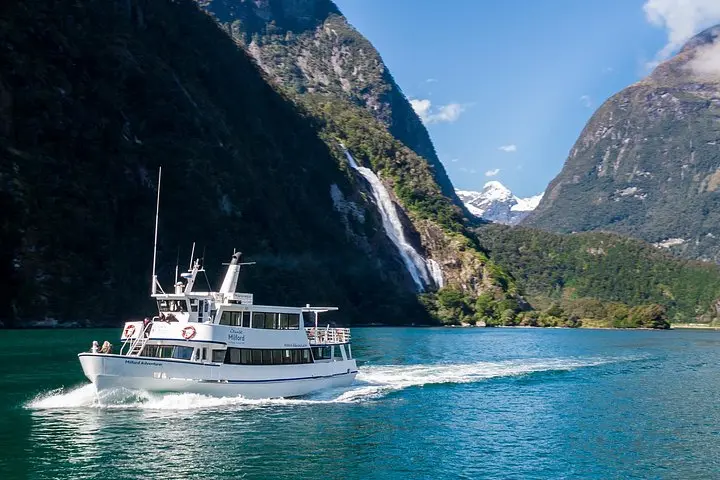
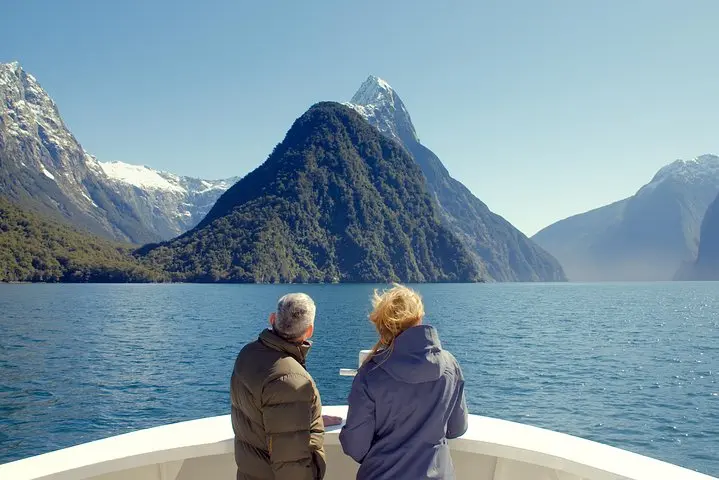
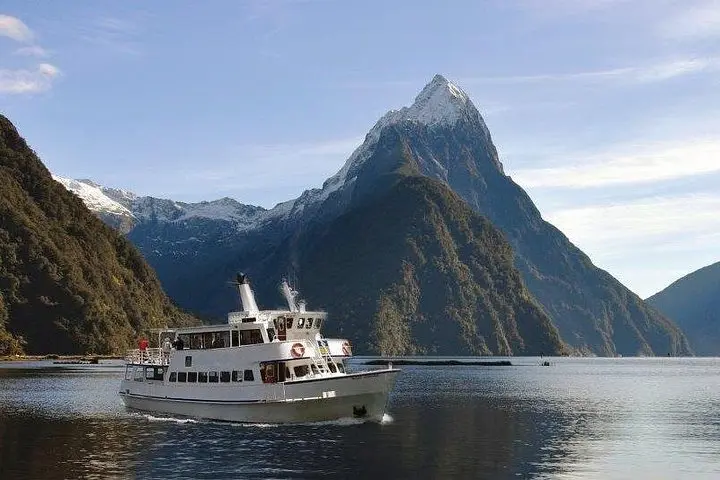
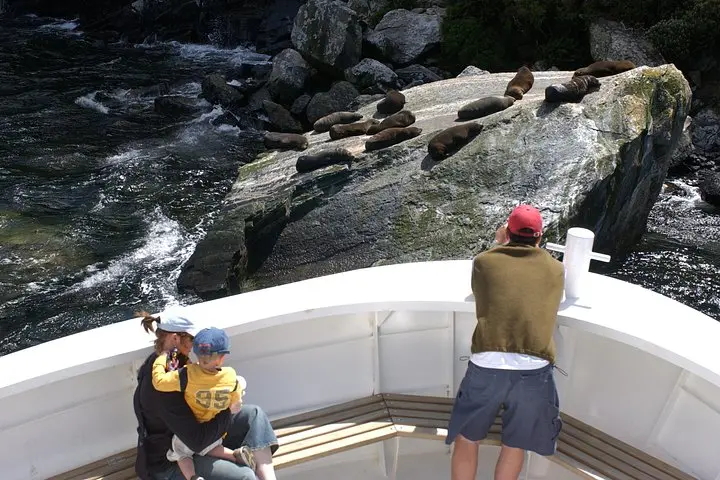
The boat slips away from the Visitor Terminal and the sound narrows like a letter folding to the sea. Cliffs rise sheer from black water—granite faces scored with white ribbons of waterfall—while the captain’s voice threads local history through the humid air. On a small-boat cruise with Cruise Milford NZ the place feels immediate: spray from Sterling Falls finds its way onto your jacket, fur seals bark from sunning ledges, and Mitre Peak looms close enough to study its ridgelines.
The boat slips away from the Visitor Terminal and the sound narrows like a letter folding to the sea. Cliffs rise sheer from black water—granite faces scored with white ribbons of waterfall—while the captain’s voice threads local history through the humid air. On a small-boat cruise with Cruise Milford NZ the place feels immediate: spray from Sterling Falls finds its way onto your jacket, fur seals bark from sunning ledges, and Mitre Peak looms close enough to study its ridgelines.
Fiordland is the result of glaciers that chewed deep, U-shaped valleys into ancient rock and then surrendered them to the Tasman Sea. Te Wahipounamu, the UNESCO World Heritage area that includes Milford Sound, preserves this raw interaction of ice, rock and ocean. Māori oral histories speak of ancestral journeys and kai (food) routes, and European explorers later described the fiords as both impenetrable and deeply moving. Today the region balances tourism with conservation, and a smaller vessel—Cruise Milford limits passenger numbers to keep the experience personal—lets visitors see wildlife without the crush of bigger ferries.
The geology is simple and dramatic: steep, glaciated walls, hanging valleys that disgorge waterfalls in every downpour, and the iconic Mitre Peak, a crag that photographs well from any angle. Wildlife is opportunistic: dusky dolphins and bottlenose dolphins ride the bow, New Zealand fur seals nap on ledges, and in spring you may glimpse the rare Fiordland crested penguin. The captain’s commentary explains how tides and currents shape the inlets and why waterfalls can become curtains of mist that feel like a “glacial facial” if you stand on the bow under Sterling Falls.
Practicalities matter here. Check in 25 minutes before departure at the Cruise Milford counter inside the Visitor Terminal; departures run year-round (closed Christmas Day). There are paid and free parking options—paid lots are a 10-minute walk, free parking is about 40 minutes away—so plan arrival accordingly. Weather in Fiordland is famously changeable; the trip is worth it in rain or shine, but layers, a waterproof outer layer, and non-slip shoes make a big difference. Bring binoculars and a camera with a zoom lens if wildlife photography is a priority. The cruise is suitable for most fitness levels and is wheelchair accessible, but expect some spray and an active-smelling marine environment.
In about 1 hour 45 minutes you’ll have been moved—literally and otherwise—by the interplay of water and rock, seen wildlife up close, and heard stories that place the fiord in cultural and geological context. For travelers who want an intimate, less crowded look at Milford Sound, a small-boat cruise offers proximity, perspective and practical comfort in equal measure.