THE ADVENTURE COLLECTIVE® · Independent discovery and booking for outdoor travel

Combine an aerial view and a boat cruise for a compact but spectacular encounter with Milford Sound. This half-day from Queenstown pairs helicopter vistas of glaciers and valleys with an hour-long cruise beneath plunging cliffs and waterfalls.
Combine an aerial view and a boat cruise for a compact but spectacular encounter with Milford Sound. This half-day from Queenstown pairs helicopter vistas of glaciers and valleys with an hour-long cruise beneath plunging cliffs and waterfalls.
You lift off from Queenstown and the town tightens beneath you—rooftops, the braided river, the still blue of Lake Wakatipu—before the mountains take over. The helicopter tilts, the valley walls close in, and Fiordland opens like a folded map: steep grey rock, glacier-polished ridges, and ribbons of glacier ice that catch light like green-blue glass. Down below, a boat threads into the long, narrow throat of Milford Sound, cliffs towering and waterfalls daring you to look up.
Verified experiences and guided adventures in the surrounding area.
Operated by Glacier Southern Lakes Helicopters · Milford Sound, Southland
You lift off from Queenstown and the town tightens beneath you—rooftops, the braided river, the still blue of Lake Wakatipu—before the mountains take over. The helicopter tilts, the valley walls close in, and Fiordland opens like a folded map: steep grey rock, glacier-polished ridges, and ribbons of glacier ice that catch light like green-blue glass. Down below, a boat threads into the long, narrow throat of Milford Sound, cliffs towering and waterfalls daring you to look up.
This half-day combines two of Fiordland’s most dramatic vantage points. From the air, pilots navigate rivers and hanging valleys carved during the last Ice Age; you see blue-green icefalls and cirques that reveal the park’s glacial geology. From the water, the sound’s vertical cliffs—formed from uplifted schist and greywacke—drop into black water where seals haul out and dolphins cut the wake.
Milford Sound, or Piopiotahi in Māori, has long been a place of cultural significance. Māori traveled the region seasonally for pounamu (greenstone) and marine life. European explorers and surveyors later mapped the fjords, and the route to Milford became a defining challenge in New Zealand’s conservation story—leading to Fiordland National Park’s UNESCO recognition.
Practicalities frame the romance: the experience runs about four hours door-to-door with hotel pickup from Queenstown. Weather is the arbiter—landings on an alpine or glacier site are subject to conditions and weight limits, and you’ll be asked to confirm weights at booking. A cruise leg of roughly an hour takes you past Stirling and Bowen Falls; a picnic lunch can be added onboard.
If you’re planning this outing, aim for morning departures for crisper light and more stable flying conditions. Dress in layers and bring a windproof shell—temperatures on the upper slopes and on the water can be several degrees cooler than Queenstown. Comfortable, closed shoes are recommended for the short walks to a glacier landing or boat gangway. Earphones are provided for pilot commentary, but bring a small dry bag for cameras and phones: spray from waterfalls can be immediate.
Expect wildlife sightings: bottlenose dolphins often bow-ride, Fiordland crested penguins appear offshore in the right season, and seals loaf on exposed rocks. Respect marine zones and keep distance; operators work within strict landing and cruising area rules to reduce impact.
This half-day trip compresses Fiordland’s scale into a single, cinematic passage—airborne perspectives that show how the land was forged, then intimate hours on water that let the cliffs speak. It’s an accessible, high-impact way to experience one of New Zealand’s most elemental landscapes.
Glacier or alpine landings depend on weather and visibility; pilots make decisions based on safety and may substitute scenic flyovers if conditions aren’t suitable.
The cruise portion is approximately 60 minutes, allowing close approaches to key waterfalls and shoreline features.
Yes—accurate passenger weights are required at booking for aircraft balance; weight limits may apply and affect seating or availability.
Children are welcome; infants may sit on a lap but will be charged at the child rate—check the operator’s policy at booking.
If canceled due to weather you’re eligible for a full refund if you cancel at least 24 hours in advance, or you can reschedule subject to availability.
Yes—cameras and phones are allowed; you’ll be provided headsets for pilot commentary and should use a secure strap or pouch to prevent accidental drops.
Glacier Southern Lakes Helicopters operates guided outdoor trips and adventures with an emphasis on safety, stewardship, and memorable experiences.
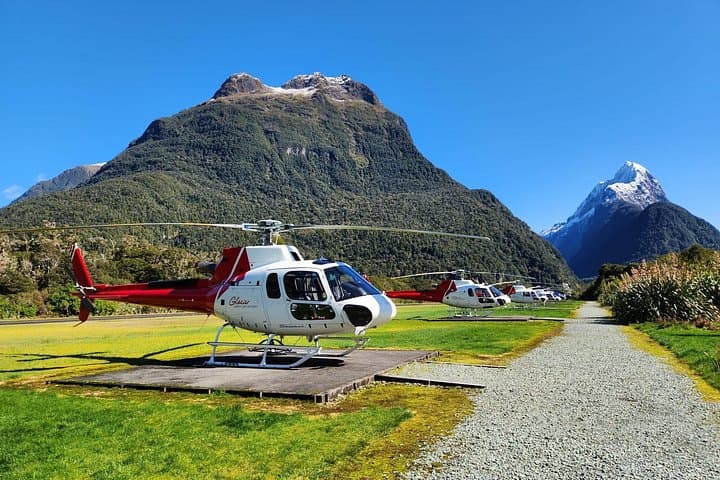
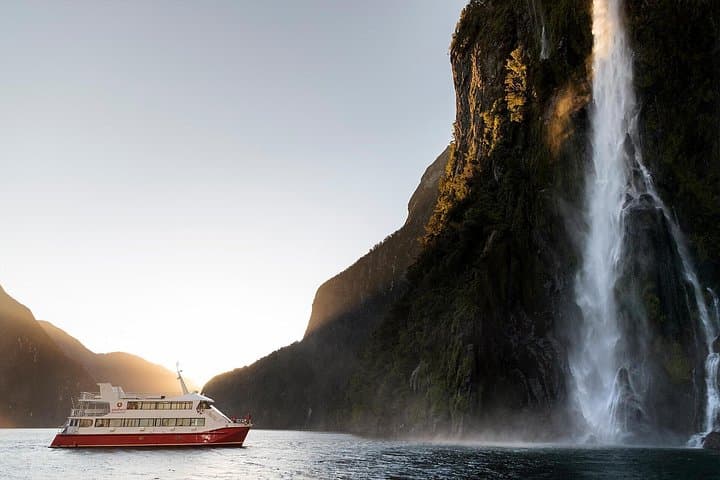
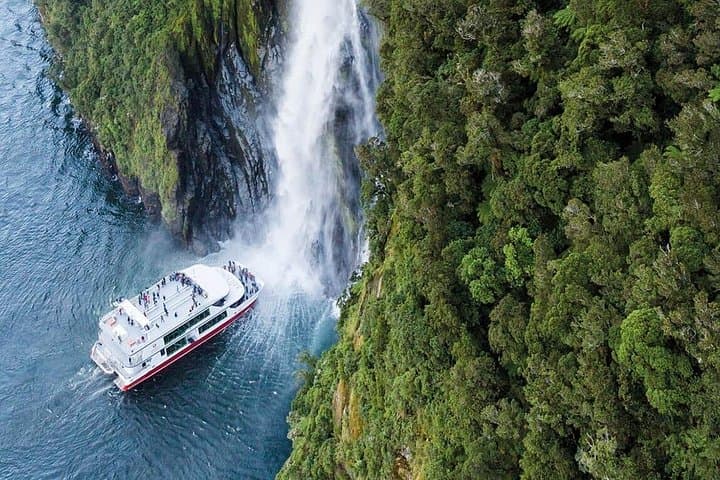

You lift off from Queenstown and the town tightens beneath you—rooftops, the braided river, the still blue of Lake Wakatipu—before the mountains take over. The helicopter tilts, the valley walls close in, and Fiordland opens like a folded map: steep grey rock, glacier-polished ridges, and ribbons of glacier ice that catch light like green-blue glass. Down below, a boat threads into the long, narrow throat of Milford Sound, cliffs towering and waterfalls daring you to look up.
You lift off from Queenstown and the town tightens beneath you—rooftops, the braided river, the still blue of Lake Wakatipu—before the mountains take over. The helicopter tilts, the valley walls close in, and Fiordland opens like a folded map: steep grey rock, glacier-polished ridges, and ribbons of glacier ice that catch light like green-blue glass. Down below, a boat threads into the long, narrow throat of Milford Sound, cliffs towering and waterfalls daring you to look up.
This half-day combines two of Fiordland’s most dramatic vantage points. From the air, pilots navigate rivers and hanging valleys carved during the last Ice Age; you see blue-green icefalls and cirques that reveal the park’s glacial geology. From the water, the sound’s vertical cliffs—formed from uplifted schist and greywacke—drop into black water where seals haul out and dolphins cut the wake.
Milford Sound, or Piopiotahi in Māori, has long been a place of cultural significance. Māori traveled the region seasonally for pounamu (greenstone) and marine life. European explorers and surveyors later mapped the fjords, and the route to Milford became a defining challenge in New Zealand’s conservation story—leading to Fiordland National Park’s UNESCO recognition.
Practicalities frame the romance: the experience runs about four hours door-to-door with hotel pickup from Queenstown. Weather is the arbiter—landings on an alpine or glacier site are subject to conditions and weight limits, and you’ll be asked to confirm weights at booking. A cruise leg of roughly an hour takes you past Stirling and Bowen Falls; a picnic lunch can be added onboard.
If you’re planning this outing, aim for morning departures for crisper light and more stable flying conditions. Dress in layers and bring a windproof shell—temperatures on the upper slopes and on the water can be several degrees cooler than Queenstown. Comfortable, closed shoes are recommended for the short walks to a glacier landing or boat gangway. Earphones are provided for pilot commentary, but bring a small dry bag for cameras and phones: spray from waterfalls can be immediate.
Expect wildlife sightings: bottlenose dolphins often bow-ride, Fiordland crested penguins appear offshore in the right season, and seals loaf on exposed rocks. Respect marine zones and keep distance; operators work within strict landing and cruising area rules to reduce impact.
This half-day trip compresses Fiordland’s scale into a single, cinematic passage—airborne perspectives that show how the land was forged, then intimate hours on water that let the cliffs speak. It’s an accessible, high-impact way to experience one of New Zealand’s most elemental landscapes.