THE ADVENTURE COLLECTIVE® · Independent discovery and booking for outdoor travel

Spend a full day with a licensed naturalist in the Mindo cloud forest—birding, botanizing and short to moderate hikes through misty slopes. Expect close encounters with hummingbirds, toucans and endemic plants, plus pickup and return to Quito if requested.
Spend a full day with a licensed naturalist in the Mindo cloud forest—birding, botanizing and short to moderate hikes through misty slopes. Expect close encounters with hummingbirds, toucans and endemic plants, plus pickup and return to Quito if requested.
Mist hangs in the trees like a slow-moving tide as you step from the Toyota 4Runner into a shaft of subtropical light. Hummingbirds flash and call, leaves drip, and a local naturalist named Richard Hernandez adjusts his scope and points you toward a distant toucan. The day begins with close, quiet observation—the forest seems to lean in, daring you to keep up.
Verified experiences and guided adventures in the surrounding area.
Operated by Mindo Cloud Forest Day Tours · Mindo, Pichincha
Mist hangs in the trees like a slow-moving tide as you step from the Toyota 4Runner into a shaft of subtropical light. Hummingbirds flash and call, leaves drip, and a local naturalist named Richard Hernandez adjusts his scope and points you toward a distant toucan. The day begins with close, quiet observation—the forest seems to lean in, daring you to keep up.
The Mindo cloud forest sits on the western slopes of the Ecuadorian Andes where moist Pacific air collides with mountain uplift; volcanic soils and steep ravines create habitat variety that fuels high bird and plant endemism. The human story here is small-scale and practical: coffee, cacao and community-run lodges have shaped trails and local conservation efforts, while museums and parishes nearby preserve Quichua and colonial touches.
Expect 9–11 hours of guided exploration focused on birding, botanizing and short hikes from easy to moderate-difficult. Richard’s tours emphasize species identification—hummingbirds, tanagers, toucans—and botanical context for orchids, bromeliads and tree ferns. You’ll sample local food if you choose, meet friendly street dogs, and pass through small mountain towns on the return to Quito.
Practical guidance: start early for the best bird activity, carry quick-dry layers and a waterproof jacket, and bring cash for lunch and optional extras. Binoculars and a spotting scope are provided, but a personal pair speeds up sightings. Moderate fitness and steady footing on wet, uneven trails make this a hands-on, sensory day in one of Ecuador’s most alive forests.
Yes—pickup and drop-off from Quito can be arranged; confirm your pickup point when booking.
No—lunch is not included but the itinerary stops in towns where you can buy local food or bring a packed lunch.
Yes—the guide caters to beginners and amateur birders with ID tips and use of a spotting scope to help sightings.
Yes—this is a private tour and can be tailored for focus on birding, photography, waterfalls, or additional activities on request.
Mindo Cloud Forest Day Tours operates guided outdoor trips and adventures with an emphasis on safety, stewardship, and memorable experiences.

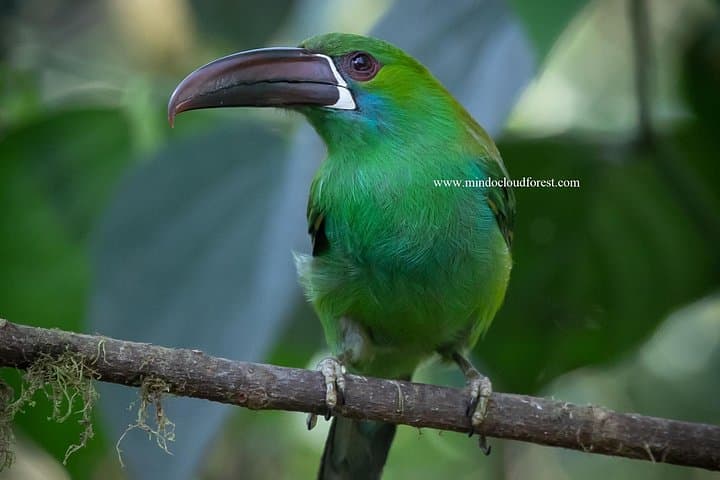

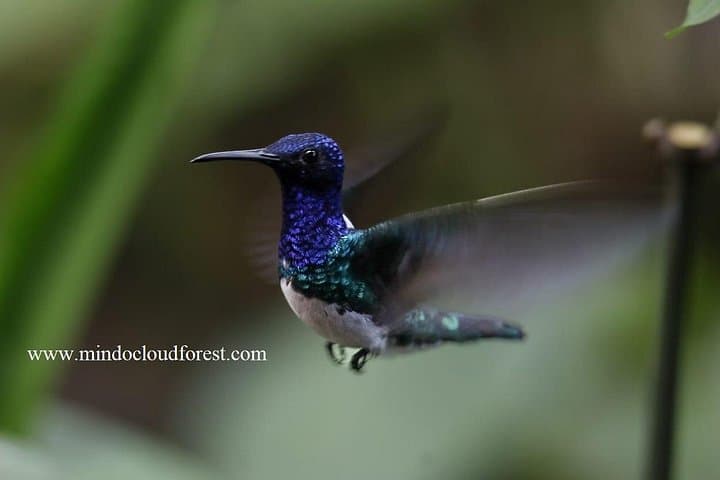
Mist hangs in the trees like a slow-moving tide as you step from the Toyota 4Runner into a shaft of subtropical light. Hummingbirds flash and call, leaves drip, and a local naturalist named Richard Hernandez adjusts his scope and points you toward a distant toucan. The day begins with close, quiet observation—the forest seems to lean in, daring you to keep up.
Mist hangs in the trees like a slow-moving tide as you step from the Toyota 4Runner into a shaft of subtropical light. Hummingbirds flash and call, leaves drip, and a local naturalist named Richard Hernandez adjusts his scope and points you toward a distant toucan. The day begins with close, quiet observation—the forest seems to lean in, daring you to keep up.
The Mindo cloud forest sits on the western slopes of the Ecuadorian Andes where moist Pacific air collides with mountain uplift; volcanic soils and steep ravines create habitat variety that fuels high bird and plant endemism. The human story here is small-scale and practical: coffee, cacao and community-run lodges have shaped trails and local conservation efforts, while museums and parishes nearby preserve Quichua and colonial touches.
Expect 9–11 hours of guided exploration focused on birding, botanizing and short hikes from easy to moderate-difficult. Richard’s tours emphasize species identification—hummingbirds, tanagers, toucans—and botanical context for orchids, bromeliads and tree ferns. You’ll sample local food if you choose, meet friendly street dogs, and pass through small mountain towns on the return to Quito.
Practical guidance: start early for the best bird activity, carry quick-dry layers and a waterproof jacket, and bring cash for lunch and optional extras. Binoculars and a spotting scope are provided, but a personal pair speeds up sightings. Moderate fitness and steady footing on wet, uneven trails make this a hands-on, sensory day in one of Ecuador’s most alive forests.