THE ADVENTURE COLLECTIVE® · Independent discovery and booking for outdoor travel

Cross a tarabita into mist-slick canopy, watch hummingbirds hover like living gems, and wander gardens where butterflies outnumber human visitors. This private day trip from Quito packs hummingbird hides, a waterfall walk, and a butterfly farm into a concise, wildlife-forward experience.
Cross a tarabita into mist-slick canopy, watch hummingbirds hover like living gems, and wander gardens where butterflies outnumber human visitors. This private day trip from Quito packs hummingbird hides, a waterfall walk, and a butterfly farm into a concise, wildlife-forward experience.
You step off the van and the air changes — cooler, damp, threaded with the metallic hum of wings. A tarabita (open-air cable car) waits on a steel cable that spans a valley of moss-draped trees; when it rocks forward you cross into a cloud that seems to have a will of its own. Mist rolls down the western Andean slope and the forest reacts: epiphytes stiffen, a torrent somewhere laughs, and a cluster of hummingbirds suddenly hangs in the air like living jewels.
Verified experiences and guided adventures in the surrounding area.
Operated by OVERLAND ADVENTURE · Mindo, Pichincha
You step off the van and the air changes — cooler, damp, threaded with the metallic hum of wings. A tarabita (open-air cable car) waits on a steel cable that spans a valley of moss-draped trees; when it rocks forward you cross into a cloud that seems to have a will of its own. Mist rolls down the western Andean slope and the forest reacts: epiphytes stiffen, a torrent somewhere laughs, and a cluster of hummingbirds suddenly hangs in the air like living jewels.
Mindo sits on the western flank of Ecuador’s Andean range where elevation drops from Quito’s high plateau to a subtropical rain-fed cloud forest. Geologically it's a young, steep landscape — rivers have carved narrow gullies and volcanic soils feed an explosion of plant life. The valley’s climate and position have produced what scientists call a ‘hotspot’ of biodiversity: more than 500 bird species and extraordinary insect and amphibian life in a handful of square kilometers.
Culturally, Mindo is a mix of small-scale farmers, guides born to the slopes, and coffee growers who traded steep plots for conservation-minded eco-tourism. Local reserves and family-run butterfly farms have shifted livelihoods toward protecting habitat; your visit supports that economy directly.
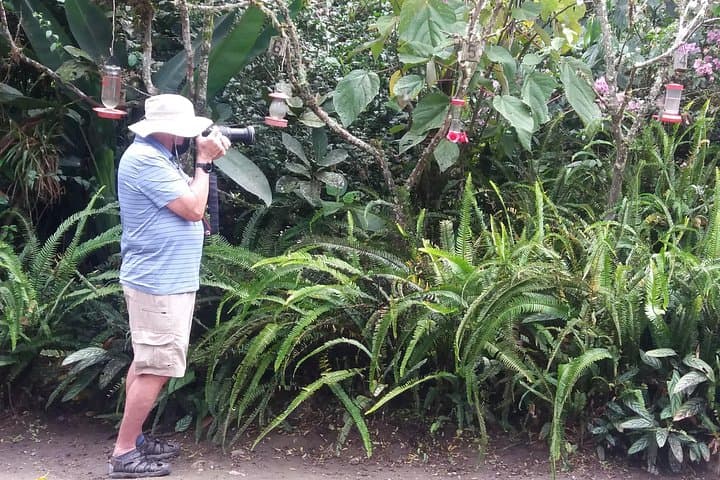
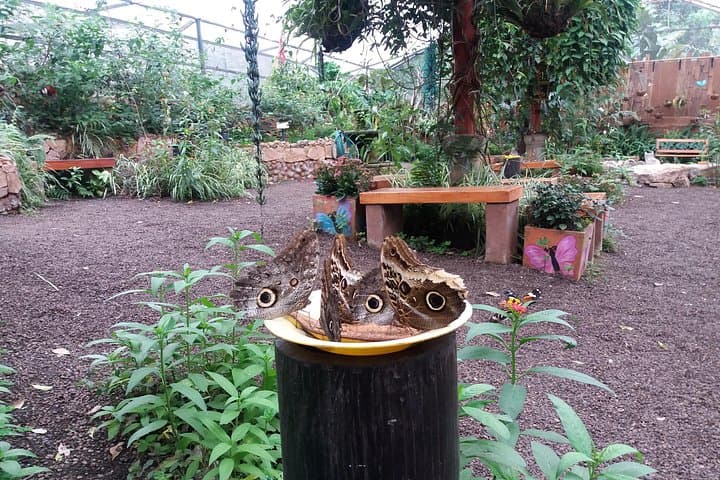
The day tour compresses the forest into three tactile encounters: a bilingual guide-led stop at a hummingbird reserve with feeding platforms and blinds (an hour); the tarabita crossing and a short 0.8–1.2 km forest walk to Nambillo Waterfall (roughly 30–45 minutes each way on uneven, damp trail with about 100–150 m of elevation change); and a butterfly farm with lush gardens and hundreds of species on display. Private transport and entrance fees for the reserves and tarabita are included, while lunch is not — you’ll find simple local menus in Mindo town or picnic options arranged in advance.
Practical edge: expect a full 6-hour outing from pickup in Quito, so plan for early departure to maximize light at the hummingbird feeders. Trails are muddy after rain and the tarabita exposes you to wind and spray; layered clothing and sturdy, grippy shoes make a big difference. Bring binoculars, a fast lens if you’re photographing birds (300mm+ recommended), insect repellent, and cash for souvenirs or a coffee stop.
This is an accessible, sensory-forward day for travelers who want close wildlife encounters without a multi-day trek. The cloud forest dares you to slow down — stand still, and the forest will move around you.
Expect about 0.8–1.2 km each way on uneven forest trail, taking 30–45 minutes per leg depending on pace and stops.
The tarabita is a basic cable car with attendants; it's suitable for most travelers but those with severe mobility restrictions should check with the operator ahead of time.
Yes — entrance to the hummingbird reserve, tarabita access, and the butterfly farm are included in the tour price.
No — lunch is not included; the itinerary allows time in Mindo where there are restaurants and cafés, or you can bring a packed lunch.
Pickup times vary but the tour departs early morning; confirm a specific pickup window with the operator when booking (10 minutes before departure).
The operator recommends this tour is not suitable for pregnant travelers due to the tarabita crossing and walking on uneven terrain.
OVERLAND ADVENTURE operates guided outdoor trips and adventures with an emphasis on safety, stewardship, and memorable experiences.


You step off the van and the air changes — cooler, damp, threaded with the metallic hum of wings. A tarabita (open-air cable car) waits on a steel cable that spans a valley of moss-draped trees; when it rocks forward you cross into a cloud that seems to have a will of its own. Mist rolls down the western Andean slope and the forest reacts: epiphytes stiffen, a torrent somewhere laughs, and a cluster of hummingbirds suddenly hangs in the air like living jewels.
You step off the van and the air changes — cooler, damp, threaded with the metallic hum of wings. A tarabita (open-air cable car) waits on a steel cable that spans a valley of moss-draped trees; when it rocks forward you cross into a cloud that seems to have a will of its own. Mist rolls down the western Andean slope and the forest reacts: epiphytes stiffen, a torrent somewhere laughs, and a cluster of hummingbirds suddenly hangs in the air like living jewels.
Mindo sits on the western flank of Ecuador’s Andean range where elevation drops from Quito’s high plateau to a subtropical rain-fed cloud forest. Geologically it's a young, steep landscape — rivers have carved narrow gullies and volcanic soils feed an explosion of plant life. The valley’s climate and position have produced what scientists call a ‘hotspot’ of biodiversity: more than 500 bird species and extraordinary insect and amphibian life in a handful of square kilometers.
Culturally, Mindo is a mix of small-scale farmers, guides born to the slopes, and coffee growers who traded steep plots for conservation-minded eco-tourism. Local reserves and family-run butterfly farms have shifted livelihoods toward protecting habitat; your visit supports that economy directly.
The day tour compresses the forest into three tactile encounters: a bilingual guide-led stop at a hummingbird reserve with feeding platforms and blinds (an hour); the tarabita crossing and a short 0.8–1.2 km forest walk to Nambillo Waterfall (roughly 30–45 minutes each way on uneven, damp trail with about 100–150 m of elevation change); and a butterfly farm with lush gardens and hundreds of species on display. Private transport and entrance fees for the reserves and tarabita are included, while lunch is not — you’ll find simple local menus in Mindo town or picnic options arranged in advance.
Practical edge: expect a full 6-hour outing from pickup in Quito, so plan for early departure to maximize light at the hummingbird feeders. Trails are muddy after rain and the tarabita exposes you to wind and spray; layered clothing and sturdy, grippy shoes make a big difference. Bring binoculars, a fast lens if you’re photographing birds (300mm+ recommended), insect repellent, and cash for souvenirs or a coffee stop.
This is an accessible, sensory-forward day for travelers who want close wildlife encounters without a multi-day trek. The cloud forest dares you to slow down — stand still, and the forest will move around you.