THE ADVENTURE COLLECTIVE® · Independent discovery and booking for outdoor travel

Spend a full day from Quito inside the Mindo cloud forest—watch hummingbirds at close range, ride a 530 m cable car over the ridge, and hike to cool waterfall pools with a private guide. This tour balances wildlife viewing with accessible adventure.
Spend a full day from Quito inside the Mindo cloud forest—watch hummingbirds at close range, ride a 530 m cable car over the ridge, and hike to cool waterfall pools with a private guide. This tour balances wildlife viewing with accessible adventure.
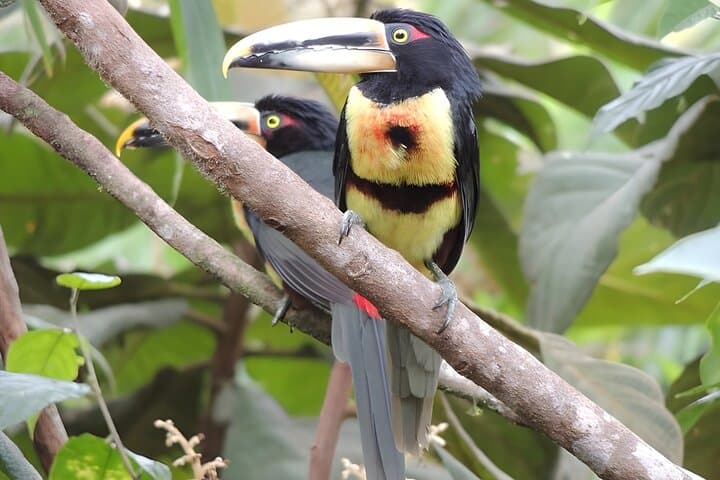
Fog thins as the van climbs out of Quito, and by mid-morning the cloud forest opens like a living map: epiphytes clinging to mossy trunks, ferns dripping after last night’s mist, and the frantic wings of hummingbirds declaring territory in flashes of emerald.
Verified experiences and guided adventures in the surrounding area.
Operated by Ecuador Best Tours · Mindo, Pichincha
Fog thins as the van climbs out of Quito, and by mid-morning the cloud forest opens like a living map: epiphytes clinging to mossy trunks, ferns dripping after last night’s mist, and the frantic wings of hummingbirds declaring territory in flashes of emerald.
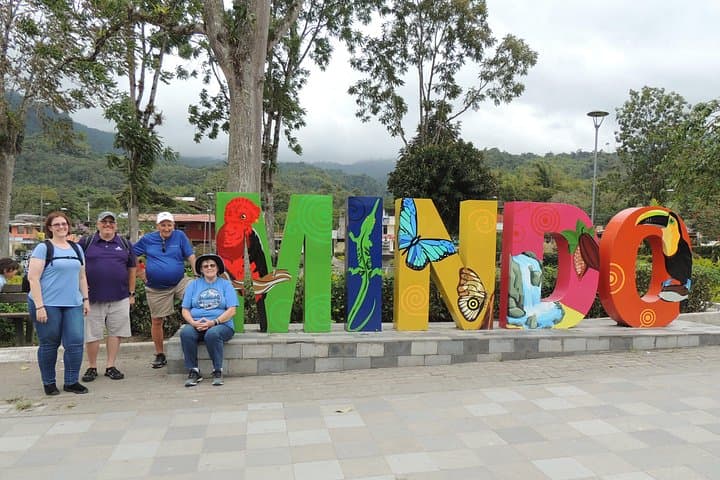
This private day tour moves through Nambillo Reserve and the Mindo valley — a patch of Chocó–Andean forest recognized by BirdLife International for its international importance. Geologically the area sits where Andean ridgelines meet humid lowland systems; the result is steep, erosion-carved trails, slick volcanic soils and a dense canopy that traps clouds and water. Locals here have long woven cacao, chicha and artisan chocolate into small-scale economies, and recent ecotourism has reinforced conservation values while reshaping village life.
Expect close encounters with tiny hummingbirds at feeder stations, a 530-meter cable-car crossing that gives a raw sense of the ridge, and a guided 1–2 hour waterfall hike to pools where you can cool off. Trails vary from well-packed dirt to root-strewn singletrack; rain is frequent, even in “dry” months, and the forest likes to return your breath.
Practical guidance: leave Quito by 8:00 a.m., bring a waterproof layer, binoculars and a camera with a fast lens. Wear grippy boots; trekking poles help on descents. Carry cash for snacks, and plan your return for late afternoon — the winding road and mountain weather can slow the trip. With a private guide you can tailor pace and stops, making this an efficient all-day immersion in one of Ecuador’s most biodiverse corners.
Pickup is typically around 8:00 a.m.; the drive to Mindo takes about 2–2.5 hours each way depending on traffic and road conditions.
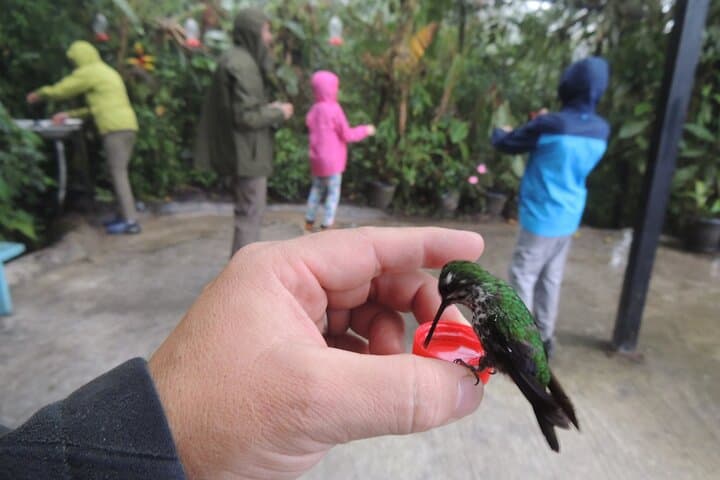
Yes—visits to feeding stations and a hummingbird farm offer frequent, close views of several species; a steady hand and patience improve photos.
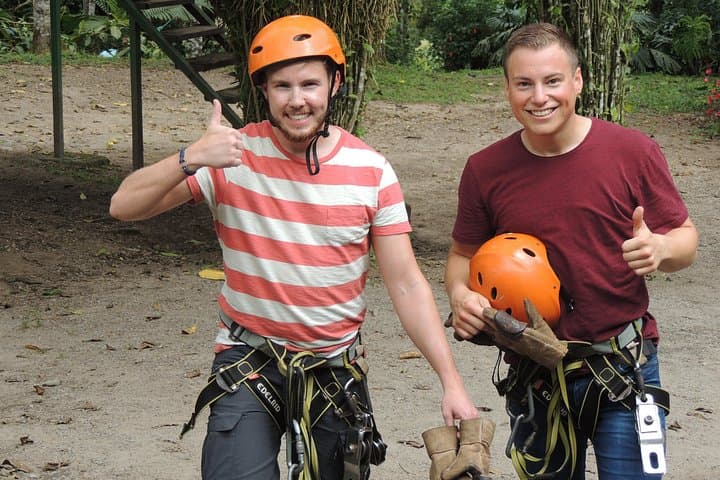
The 530 m cable-car crossing is part of the itinerary and operated locally; safety standards are typical for Ecuadorian tourist attractions but follow staff instructions and do not overload cabins.
Yes—many waterfall pools are accessible for a quick swim, but check depth and current, and avoid swimming after heavy rain when runoff can increase.
Ecuador Best Tours operates guided outdoor trips and adventures with an emphasis on safety, stewardship, and memorable experiences.
Fog thins as the van climbs out of Quito, and by mid-morning the cloud forest opens like a living map: epiphytes clinging to mossy trunks, ferns dripping after last night’s mist, and the frantic wings of hummingbirds declaring territory in flashes of emerald.
Fog thins as the van climbs out of Quito, and by mid-morning the cloud forest opens like a living map: epiphytes clinging to mossy trunks, ferns dripping after last night’s mist, and the frantic wings of hummingbirds declaring territory in flashes of emerald.
This private day tour moves through Nambillo Reserve and the Mindo valley — a patch of Chocó–Andean forest recognized by BirdLife International for its international importance. Geologically the area sits where Andean ridgelines meet humid lowland systems; the result is steep, erosion-carved trails, slick volcanic soils and a dense canopy that traps clouds and water. Locals here have long woven cacao, chicha and artisan chocolate into small-scale economies, and recent ecotourism has reinforced conservation values while reshaping village life.
Expect close encounters with tiny hummingbirds at feeder stations, a 530-meter cable-car crossing that gives a raw sense of the ridge, and a guided 1–2 hour waterfall hike to pools where you can cool off. Trails vary from well-packed dirt to root-strewn singletrack; rain is frequent, even in “dry” months, and the forest likes to return your breath.
Practical guidance: leave Quito by 8:00 a.m., bring a waterproof layer, binoculars and a camera with a fast lens. Wear grippy boots; trekking poles help on descents. Carry cash for snacks, and plan your return for late afternoon — the winding road and mountain weather can slow the trip. With a private guide you can tailor pace and stops, making this an efficient all-day immersion in one of Ecuador’s most biodiverse corners.