THE ADVENTURE COLLECTIVE® · Independent discovery and booking for outdoor travel

Try sapphire panning without leaving Seattle: wash gravel, learn mining techniques, and search for genuine Montana sapphires in a hands-on indoor session. Ideal for curious first-timers and groups looking for an unusual, weatherproof activity.
Try sapphire panning without leaving Seattle: wash gravel, learn mining techniques, and search for genuine Montana sapphires in a hands-on indoor session. Ideal for curious first-timers and groups looking for an unusual, weatherproof activity.
Inside a low brick storefront in Seattle’s industrial fringe, lamps angle over tubs of washed gravel and the air smells faintly of damp rock and metal polish. Participants gather at long tables; instructors demonstrate how a jet of water teases sapphire crystals from a dark pan, then hand over tweezers and a plastic cup. The room hums with focused conversation as the hunt begins.
Verified experiences and guided adventures in the surrounding area.
Operated by Mary Elizabeth · Seattle, Washington
Inside a low brick storefront in Seattle’s industrial fringe, lamps angle over tubs of washed gravel and the air smells faintly of damp rock and metal polish. Participants gather at long tables; instructors demonstrate how a jet of water teases sapphire crystals from a dark pan, then hand over tweezers and a plastic cup. The room hums with focused conversation as the hunt begins.
Montana sapphires—noted for their cornflower blues and occasional parti-colors—come from deposits like Yogo Gulch and the Rock Creek district. That geology landed these stones in gem shows and classroom tables across the Pacific Northwest, where collectors and curious visitors can learn hands-on techniques used by miners: washing, sieving, and optical inspection.
This experience blends mineral education with a social activity: it’s as much about the method and history of gem mining as the chance of finding a small gemstone. The operators support local scholarship work through cup sales, and the format suits couples, families, and hobbyists.
Practical details: sessions run about two hours, start indoors regardless of weather, and include basic tools and a first cup of gravel. Wear closed-toe shoes and clothes you don’t mind dampening; bring a small bag for finds and a camera for close-up shots. Expect hands-on guidance—no prior skill required—but be prepared for three entry steps and limited wheelchair access. Parking is available on-site, and public transit options are nearby.
For travelers who enjoy tactile, low-impact adventures and learning a practical craft, this is an approachable, social way to touch a piece of Montana’s gem-bearing geology without leaving the city.
No—sessions are designed for beginners; instructors demonstrate washing and identification techniques.
Finds vary; many visitors find small gems or interesting mineral pieces, but outcomes aren’t guaranteed—additional cups improve odds.
The building has three steps at the entrance and is not wheelchair-accessible at the entry; once inside activities can be adapted and assistance is available.
Yes—infants and small children can be in strollers and the activity is suitable for most ages, though close supervision is recommended for small kids.
Mary Elizabeth operates guided outdoor trips and adventures with an emphasis on safety, stewardship, and memorable experiences.
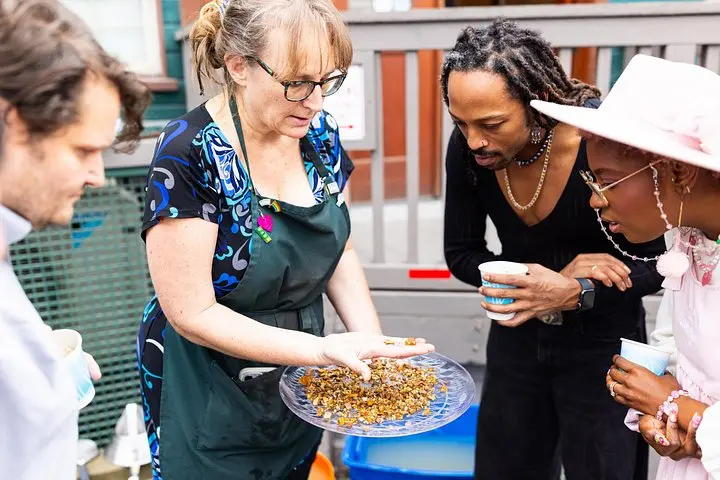
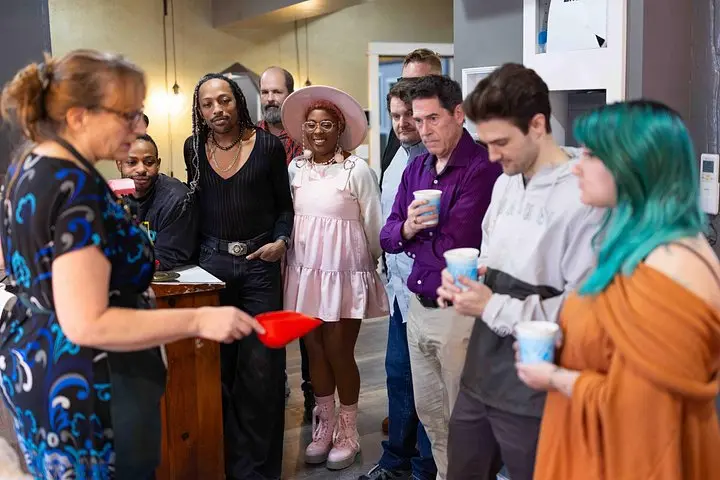
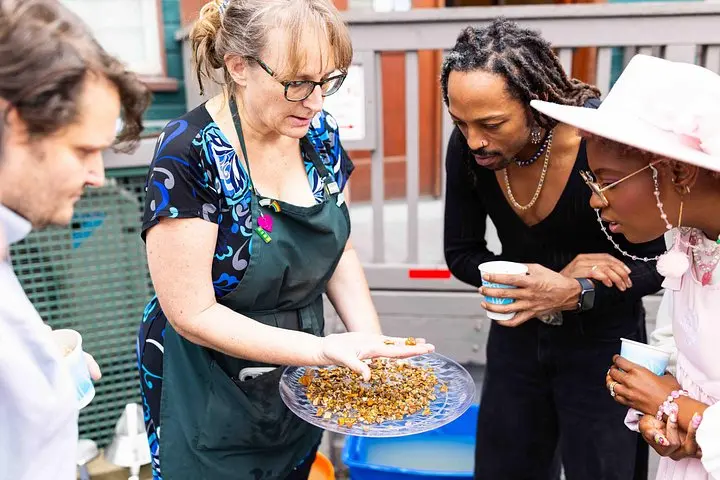

Inside a low brick storefront in Seattle’s industrial fringe, lamps angle over tubs of washed gravel and the air smells faintly of damp rock and metal polish. Participants gather at long tables; instructors demonstrate how a jet of water teases sapphire crystals from a dark pan, then hand over tweezers and a plastic cup. The room hums with focused conversation as the hunt begins.
Inside a low brick storefront in Seattle’s industrial fringe, lamps angle over tubs of washed gravel and the air smells faintly of damp rock and metal polish. Participants gather at long tables; instructors demonstrate how a jet of water teases sapphire crystals from a dark pan, then hand over tweezers and a plastic cup. The room hums with focused conversation as the hunt begins.
Montana sapphires—noted for their cornflower blues and occasional parti-colors—come from deposits like Yogo Gulch and the Rock Creek district. That geology landed these stones in gem shows and classroom tables across the Pacific Northwest, where collectors and curious visitors can learn hands-on techniques used by miners: washing, sieving, and optical inspection.
This experience blends mineral education with a social activity: it’s as much about the method and history of gem mining as the chance of finding a small gemstone. The operators support local scholarship work through cup sales, and the format suits couples, families, and hobbyists.
Practical details: sessions run about two hours, start indoors regardless of weather, and include basic tools and a first cup of gravel. Wear closed-toe shoes and clothes you don’t mind dampening; bring a small bag for finds and a camera for close-up shots. Expect hands-on guidance—no prior skill required—but be prepared for three entry steps and limited wheelchair access. Parking is available on-site, and public transit options are nearby.
For travelers who enjoy tactile, low-impact adventures and learning a practical craft, this is an approachable, social way to touch a piece of Montana’s gem-bearing geology without leaving the city.