THE ADVENTURE COLLECTIVE® · Independent discovery and booking for outdoor travel

Observe elephants at Bukit Elephant Park in a welfare-first sanctuary that pairs safe, fenced feeding and guided cultural demos—rubber tapping, coconut-milk prep and Thai cooking—into a compact 90-minute visit. Learn about elephant history and local traditions while following strict no-ride, no-drone rules.
Observe elephants at Bukit Elephant Park in a welfare-first sanctuary that pairs safe, fenced feeding and guided cultural demos—rubber tapping, coconut-milk prep and Thai cooking—into a compact 90-minute visit. Learn about elephant history and local traditions while following strict no-ride, no-drone rules.
You step off the shaded driveway into humid air that smells of earth and fresh-cut grass; the low rumble of an elephant moving through the trees sets the tempo. At Bukit Elephant Park you watch these gentle giants from a safe, fenced distance while mahouts guide a slow, deliberate rhythm—no riding, no forced bathing, only observation and quiet interaction.
Verified experiences and guided adventures in the surrounding area.
Operated by Bukit Elephant Park · Phuket, Phuket
You step off the shaded driveway into humid air that smells of earth and fresh-cut grass; the low rumble of an elephant moving through the trees sets the tempo. At Bukit Elephant Park you watch these gentle giants from a safe, fenced distance while mahouts guide a slow, deliberate rhythm—no riding, no forced bathing, only observation and quiet interaction.
The park sits on Phuket’s inland terraces where rubber and coconut plantations shaped both the landscape and local livelihoods. Elephants once worked in logging and plantation agriculture across southern Thailand; today the park frames that history as living education. Guides demonstrate rubber tapping and sheet-making, and small cooking sessions show how coconut milk and Thai staples are prepared—the cultural context for why elephants and people have been linked here for generations.
Expect compact, interpretive encounters rather than performance: feeding through a barrier, guided talks on diet and behavior, and demonstrations of traditional crafts. Staff prioritize welfare and strict rules—no loud noises, no flash photography, no drones. The terrain is flat to gently rolling; paths are dirt and can turn slippery in rain. Sessions run about 90 minutes and are family-friendly, though not recommended for pregnant guests or those with serious heart conditions.
Practical advice: bring closed-toe shoes, sun protection, and water; arrive early for cooler temperatures and better light for photos. Follow staff instructions when feeding and keep pace slow so the elephants set the terms—here the animals lead, and the experience is designed around their comfort.
No — Bukit Elephant Park does not offer riding or bathing; interactions are welfare-focused and limited to fenced feeding and observation.
Children are welcome but must be supervised; the experience is gentle and suitable for most ages, though infant carriers may be requested.
Tours often include air-conditioned transfers depending on your booking; check pickup options and meeting points at booking time.
Do not bring drones, loud noisemakers, or use flash photography; avoid feeding elephants outside designated areas.
Bukit Elephant Park operates guided outdoor trips and adventures with an emphasis on safety, stewardship, and memorable experiences.
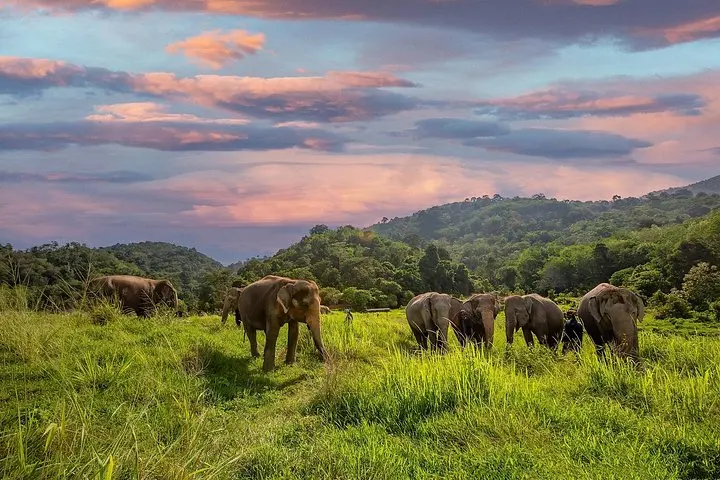
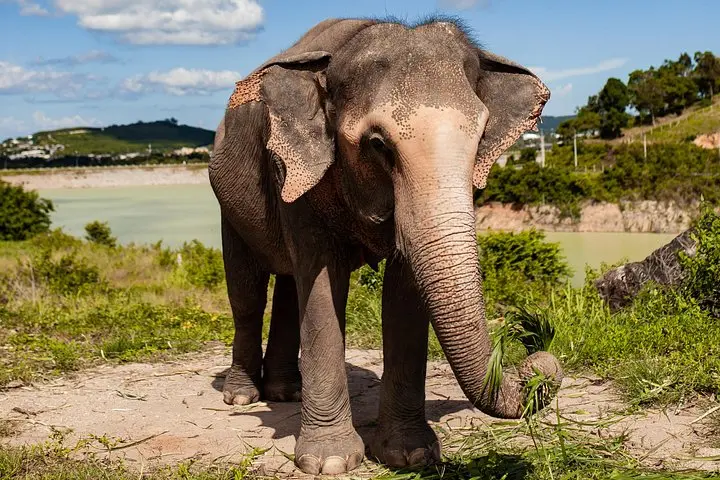
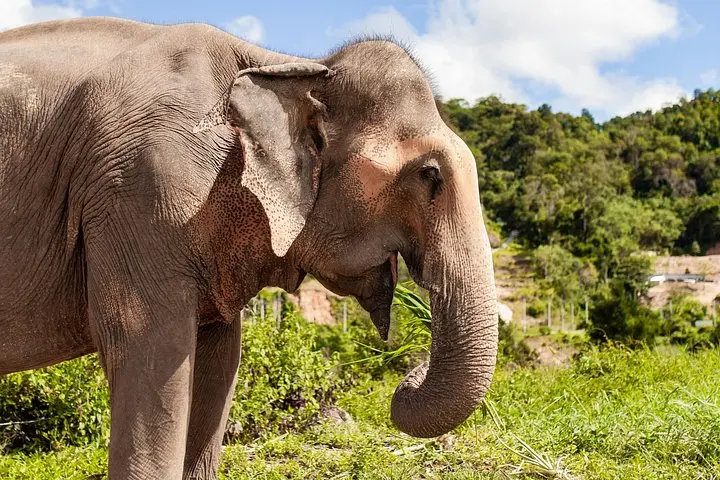
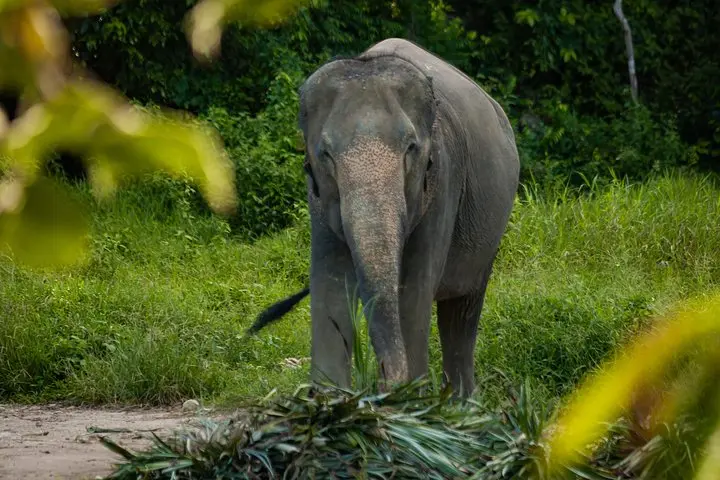
You step off the shaded driveway into humid air that smells of earth and fresh-cut grass; the low rumble of an elephant moving through the trees sets the tempo. At Bukit Elephant Park you watch these gentle giants from a safe, fenced distance while mahouts guide a slow, deliberate rhythm—no riding, no forced bathing, only observation and quiet interaction.
You step off the shaded driveway into humid air that smells of earth and fresh-cut grass; the low rumble of an elephant moving through the trees sets the tempo. At Bukit Elephant Park you watch these gentle giants from a safe, fenced distance while mahouts guide a slow, deliberate rhythm—no riding, no forced bathing, only observation and quiet interaction.
The park sits on Phuket’s inland terraces where rubber and coconut plantations shaped both the landscape and local livelihoods. Elephants once worked in logging and plantation agriculture across southern Thailand; today the park frames that history as living education. Guides demonstrate rubber tapping and sheet-making, and small cooking sessions show how coconut milk and Thai staples are prepared—the cultural context for why elephants and people have been linked here for generations.
Expect compact, interpretive encounters rather than performance: feeding through a barrier, guided talks on diet and behavior, and demonstrations of traditional crafts. Staff prioritize welfare and strict rules—no loud noises, no flash photography, no drones. The terrain is flat to gently rolling; paths are dirt and can turn slippery in rain. Sessions run about 90 minutes and are family-friendly, though not recommended for pregnant guests or those with serious heart conditions.
Practical advice: bring closed-toe shoes, sun protection, and water; arrive early for cooler temperatures and better light for photos. Follow staff instructions when feeding and keep pace slow so the elephants set the terms—here the animals lead, and the experience is designed around their comfort.