THE ADVENTURE COLLECTIVE® · Independent discovery and booking for outdoor travel

A compact four-day loop from Podgorica that stitches together Montenegro’s coast, mountain passes and one of Europe’s last rainforests. Expect UNESCO-listed Kotor, the Lovćen serpentine, Morača canyon and Biogradska Gora—all with guided transfers and local tastings.
A compact four-day loop from Podgorica that stitches together Montenegro’s coast, mountain passes and one of Europe’s last rainforests. Expect UNESCO-listed Kotor, the Lovćen serpentine, Morača canyon and Biogradska Gora—all with guided transfers and local tastings.
You step off the plane into the low-lying air of Podgorica and the road unfurls immediately—olive-splintered hills, a river that seems to dare you to follow it, and a guide waiting with a climate-smudged map. Over four days the country compresses and expands: seaside citadels give way to mountain passes and a rainforest that still remembers older weather.
Verified experiences and guided adventures in the surrounding area.
Operated by Monte Mare Travel · Podgorica, Podgorica Municipality
You step off the plane into the low-lying air of Podgorica and the road unfurls immediately—olive-splintered hills, a river that seems to dare you to follow it, and a guide waiting with a climate-smudged map. Over four days the country compresses and expands: seaside citadels give way to mountain passes and a rainforest that still remembers older weather.
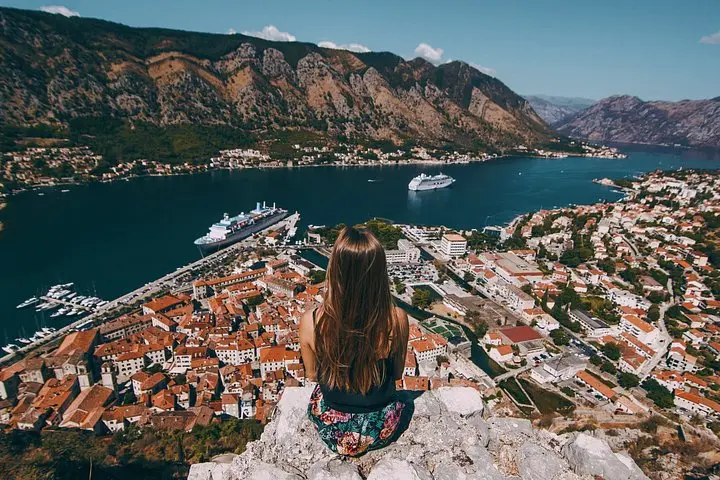
Travel moves through history as much as geography. Cetinje, the old royal capital, keeps palaces and the King Nikola Museum; Njeguši offers smoked ham and cheese where the Petrović-Njegoš line has local roots. Lovćen’s serpentine climbs to the ridge that cradles Njegoš’s mausoleum at about 1,657 m, rewarding drivers with the carved coast of the Bay of Kotor below—UNESCO-protected and fjord-like in its steep-sided calm. Northward, the Morača river cuts the Platije canyon, a geological seam that funnels mountain runoff toward the Adriatic. Biogradska Gora holds one of Europe’s last primeval rainforests and Biogradsko Lake sits near 1,090 m in a bowl of spruce.
Practically: this is a driving-forward, light-walking itinerary suitable for most travelers. Expect multiple short walks (town sightseeing, a lake loop), photo stops on steep hairpins, and traditional meals—try the Njeguški prsut. Pack layered clothing for rapid temperature swings (coast warm, highlands cool), sturdy shoes for uneven streets and forest trails, and small cash for village purchases. Note wheelchair access is generally provided for transport and many sites, though some park circuits are uneven. Time your travel March–December and leave room for sudden weather shifts in the mountains.
Yes—round-trip transfer between Podgorica or Tivat airports (and selected ports) and the hotel are included.
Transport and many sites are wheelchair accessible, but the full Biogradsko Lake circuit includes uneven trails not suitable for wheelchairs; guests can wait at accessible viewpoints.
Yes—local restaurants can accommodate common dietary needs with advance notice; note that tasting sessions feature cured meats and cheese typical of the region.
March–December is offered; late spring and early fall balance milder mountain weather and fewer summer crowds.
Monte Mare Travel operates guided outdoor trips and adventures with an emphasis on safety, stewardship, and memorable experiences.
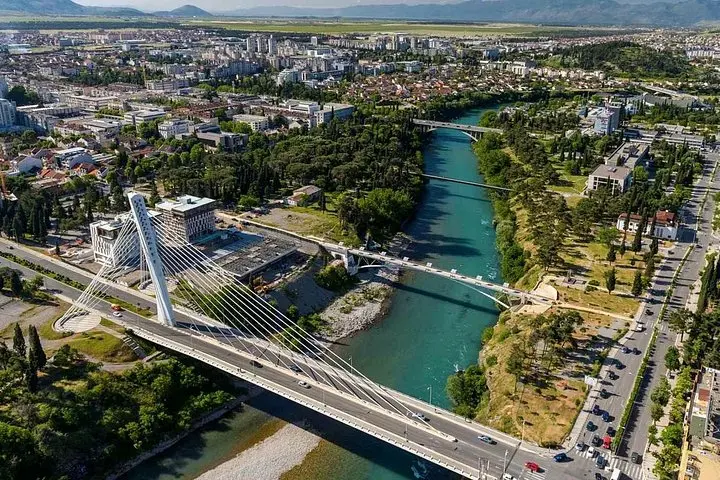
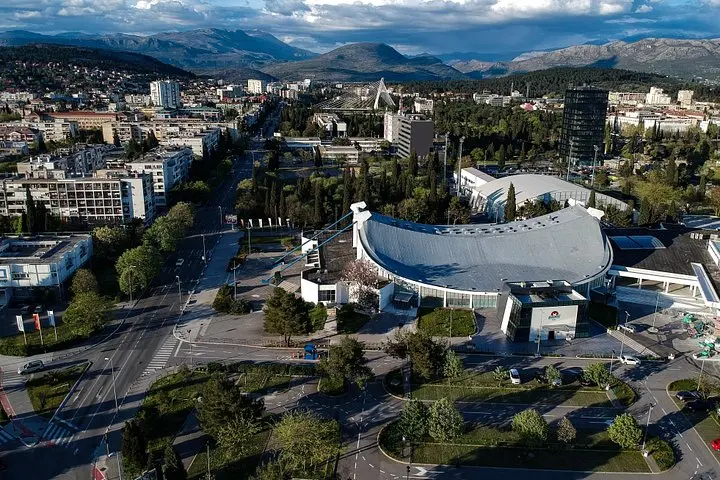
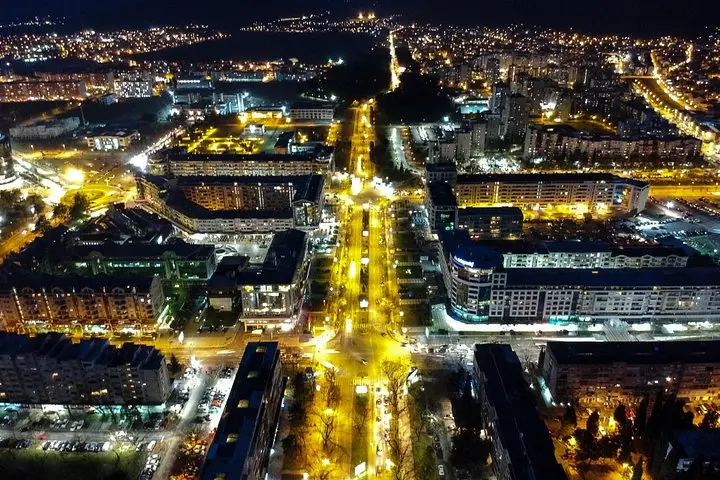
You step off the plane into the low-lying air of Podgorica and the road unfurls immediately—olive-splintered hills, a river that seems to dare you to follow it, and a guide waiting with a climate-smudged map. Over four days the country compresses and expands: seaside citadels give way to mountain passes and a rainforest that still remembers older weather.
You step off the plane into the low-lying air of Podgorica and the road unfurls immediately—olive-splintered hills, a river that seems to dare you to follow it, and a guide waiting with a climate-smudged map. Over four days the country compresses and expands: seaside citadels give way to mountain passes and a rainforest that still remembers older weather.
Travel moves through history as much as geography. Cetinje, the old royal capital, keeps palaces and the King Nikola Museum; Njeguši offers smoked ham and cheese where the Petrović-Njegoš line has local roots. Lovćen’s serpentine climbs to the ridge that cradles Njegoš’s mausoleum at about 1,657 m, rewarding drivers with the carved coast of the Bay of Kotor below—UNESCO-protected and fjord-like in its steep-sided calm. Northward, the Morača river cuts the Platije canyon, a geological seam that funnels mountain runoff toward the Adriatic. Biogradska Gora holds one of Europe’s last primeval rainforests and Biogradsko Lake sits near 1,090 m in a bowl of spruce.
Practically: this is a driving-forward, light-walking itinerary suitable for most travelers. Expect multiple short walks (town sightseeing, a lake loop), photo stops on steep hairpins, and traditional meals—try the Njeguški prsut. Pack layered clothing for rapid temperature swings (coast warm, highlands cool), sturdy shoes for uneven streets and forest trails, and small cash for village purchases. Note wheelchair access is generally provided for transport and many sites, though some park circuits are uneven. Time your travel March–December and leave room for sudden weather shifts in the mountains.