THE ADVENTURE COLLECTIVE® · Independent discovery and booking for outdoor travel

Compact, self‑run mini‑rafts turn the Sesia’s short, punchy rapids into a technical playground. Expect coached sections, cold alpine water, and a 3‑hour run through glacial valleys of Piedmont.
Compact, self‑run mini‑rafts turn the Sesia’s short, punchy rapids into a technical playground. Expect coached sections, cold alpine water, and a 3‑hour run through glacial valleys of Piedmont.
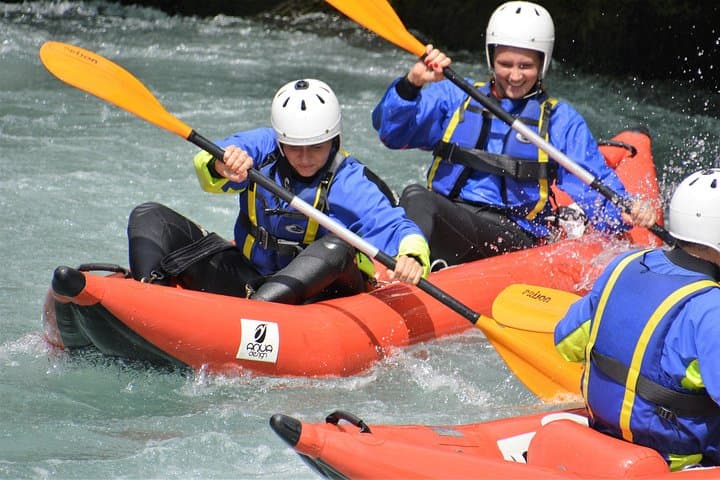
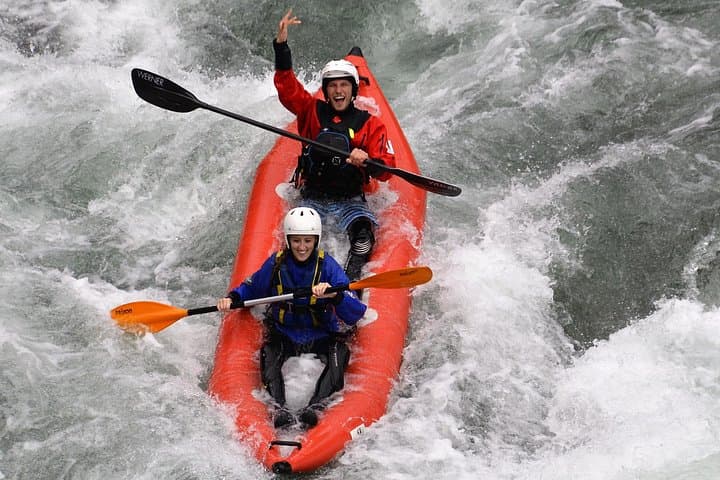
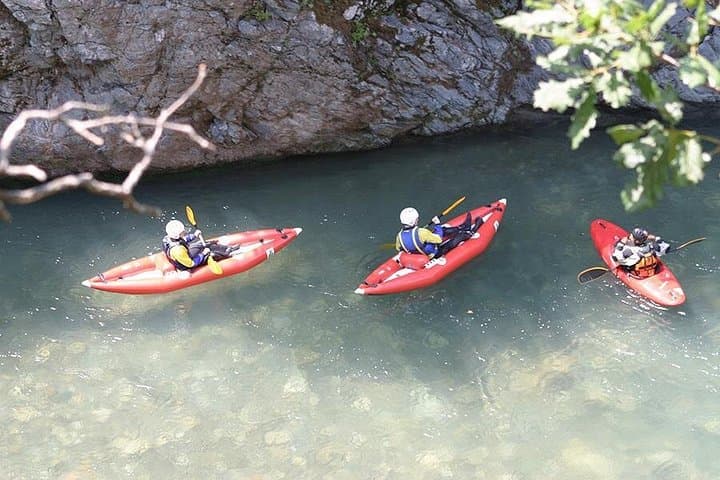
Standing on a stone-strewn bank of the Sesia, the river talks in quick, bright bursts—chords that push at your calves and dare you into the current. Mini-rafts and single kayaks sit compact and eager; a guide checks fittings, calls a final command, and the group slips into water that remembers glaciers.
Verified experiences and guided adventures in the surrounding area.
Operated by Monrosa Rafting · Varallo Sesia, Piedmont
Standing on a stone-strewn bank of the Sesia, the river talks in quick, bright bursts—chords that push at your calves and dare you into the current. Mini-rafts and single kayaks sit compact and eager; a guide checks fittings, calls a final command, and the group slips into water that remembers glaciers.
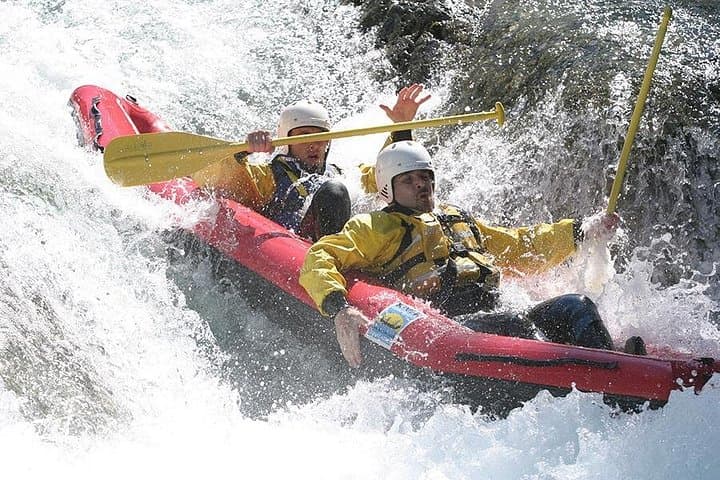
The Sesia Valley is carved from Monte Rosa’s glaciers and steep bedrock, so rapids here are compact and technical rather than wide and long. Communities in Valsesia have long lived with the river—mills, stone bridges and Walser settlements hint at a pragmatic mountain culture that still values river skill. Geology shows folded gneiss and fast channels that pinch and accelerate after bends, making short, punchy drops the norm.
On a typical 3‑hour mini-raft trip expect coached, self‑run sections where the guide rides with you through the harder passages and steps in when eddies get tricky. Low‑water windows are possible—these boats handle lower flows better than full rafts—so operators sometimes run trips outside peak snowmelt.
Practical guidance: come with a moderate level of fitness and basic swimming ability, wear quick‑dry layers and secure river shoes, and accept that cold alpine water demands a wetsuit in spring and early summer. Hydrate, keep electronics in a dry bag, and listen closely to the guide’s river‑reading tips—paddling technique and timing matter more here than brute power.
This outing balances technical fun and coaching: it’s a condensed, hands‑on way to practice river running in Piedmont’s steep, glacially carved channels.
No formal experience is required, but participants should have a moderate fitness level and basic swimming ability; guides provide coaching during the run.
Age policies vary by operator, but expect minimums around 12–14 years and requirements that children can swim and follow instructions.
Mini‑rafts handle lower flows better than full rafts, and operators may adjust routes or timings; confirm conditions with the provider on the day of the trip.
Some tours include private transport to put‑in and take‑out points—check the booking details for pick‑up, meeting locations and return arrangements.
Monrosa Rafting operates guided outdoor trips and adventures with an emphasis on safety, stewardship, and memorable experiences.
Standing on a stone-strewn bank of the Sesia, the river talks in quick, bright bursts—chords that push at your calves and dare you into the current. Mini-rafts and single kayaks sit compact and eager; a guide checks fittings, calls a final command, and the group slips into water that remembers glaciers.
Standing on a stone-strewn bank of the Sesia, the river talks in quick, bright bursts—chords that push at your calves and dare you into the current. Mini-rafts and single kayaks sit compact and eager; a guide checks fittings, calls a final command, and the group slips into water that remembers glaciers.
The Sesia Valley is carved from Monte Rosa’s glaciers and steep bedrock, so rapids here are compact and technical rather than wide and long. Communities in Valsesia have long lived with the river—mills, stone bridges and Walser settlements hint at a pragmatic mountain culture that still values river skill. Geology shows folded gneiss and fast channels that pinch and accelerate after bends, making short, punchy drops the norm.
On a typical 3‑hour mini-raft trip expect coached, self‑run sections where the guide rides with you through the harder passages and steps in when eddies get tricky. Low‑water windows are possible—these boats handle lower flows better than full rafts—so operators sometimes run trips outside peak snowmelt.
Practical guidance: come with a moderate level of fitness and basic swimming ability, wear quick‑dry layers and secure river shoes, and accept that cold alpine water demands a wetsuit in spring and early summer. Hydrate, keep electronics in a dry bag, and listen closely to the guide’s river‑reading tips—paddling technique and timing matter more here than brute power.
This outing balances technical fun and coaching: it’s a condensed, hands‑on way to practice river running in Piedmont’s steep, glacially carved channels.