THE ADVENTURE COLLECTIVE® · Independent discovery and booking for outdoor travel

Leave Agadir for a full-day 4x4 circuit through Rasmouka’s dunes, cliff-carved fishing villages and argan cooperatives. Expect a traditional Berber lunch, coastal viewpoints, and easy walks between photo stops.
Leave Agadir for a full-day 4x4 circuit through Rasmouka’s dunes, cliff-carved fishing villages and argan cooperatives. Expect a traditional Berber lunch, coastal viewpoints, and easy walks between photo stops.
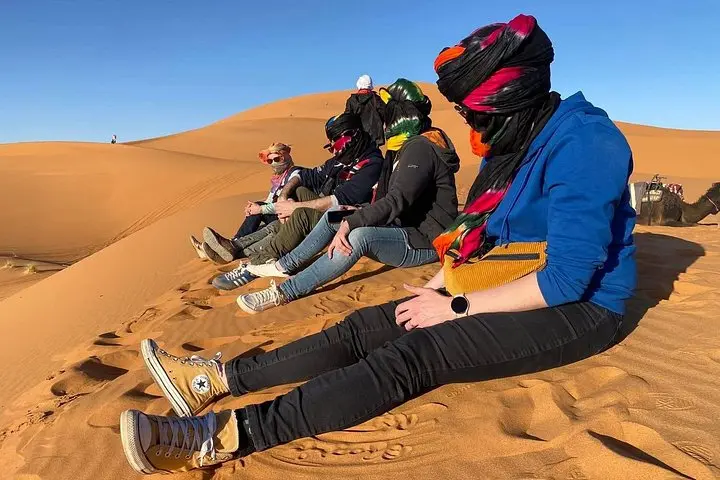
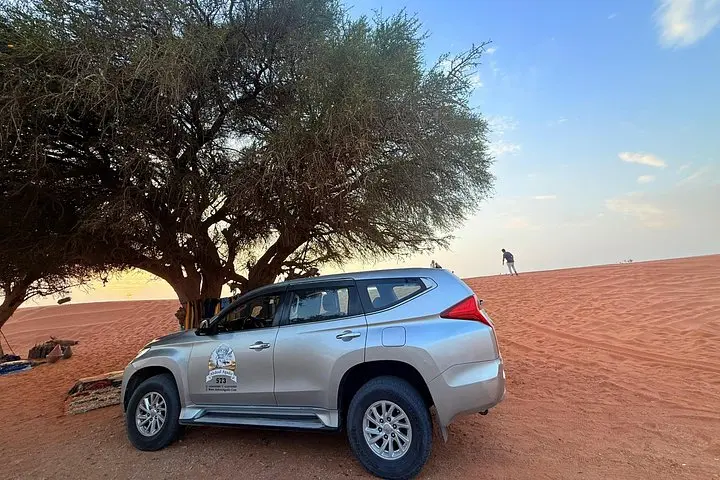
The day begins with a gravel crunch and the Atlantic wind pushing against the jeep as it leaves Agadir’s palm-lined avenues and heads inland toward wide, sunbaked plains. Passengers watch argan groves roll past, then the landscape opens into the Rasmouka “Mini Sahara,” a pocket of dunes under a vast sky that feels larger than the map suggests.
Verified experiences and guided adventures in the surrounding area.
Operated by Lets Explore It · Agadir, Souss-Massa
The day begins with a gravel crunch and the Atlantic wind pushing against the jeep as it leaves Agadir’s palm-lined avenues and heads inland toward wide, sunbaked plains. Passengers watch argan groves roll past, then the landscape opens into the Rasmouka “Mini Sahara,” a pocket of dunes under a vast sky that feels larger than the map suggests.
This route threads together the Souss-Massa region’s working coastline and rural interior. Geologically the area is coastal sediment and eroded sandstone, carved by Atlantic storms into cliffs and caves—visible at Sidi R'bat—while the Massa river valley sustains marshes important to migratory birds. Culturally, the itinerary centers on Berber hospitality: village kitchens, long mint tea, and women-run argan cooperatives that preserve traditional oil and cosmetic techniques.
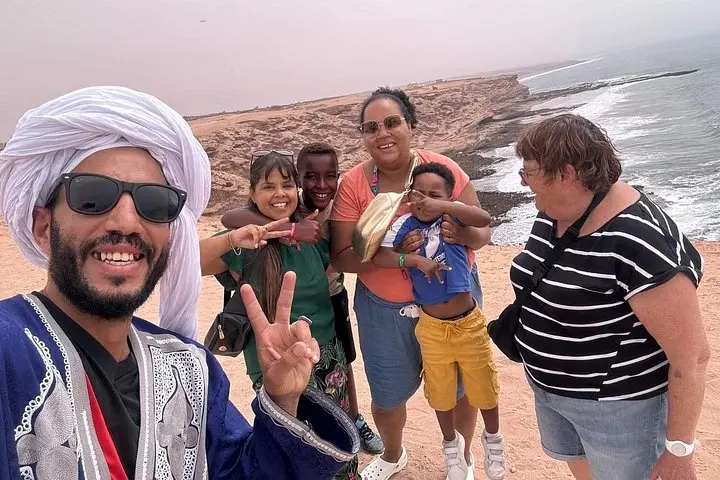
Travelers will alternate between short, guided walks—cliff-side lanes, a pottery workshop stop—and comfortable stretches in a 4x4, making the tour accessible for most fitness levels. Photo stops include Tifnit’s blue-white fishing houses and the Youssef Ibn Tachfine Dam viewpoint, where engineered water meets open landscape.
Practical guidance: expect long vehicle time (most of a day), sun exposure, and uneven sand if you explore the dunes. Carry cash for small purchases, bring closed-toe shoes for shore and village walking, and a refillable water bottle. The guide handles logistics and provides context on flora, local livelihoods, and wildlife viewing — flamingos and raptors are common in wetland areas — but keep noise low and group sizes small to avoid disturbing nesting or fishing activities.
Yes—pickup and drop-off in Agadir are included; your confirmation will list the pickup point.
Most hosts accommodate common dietary needs if notified in advance; indicate restrictions during booking.
Walking is limited to short photo stops, village paths and dune edges—no long hikes are required.
Cooperatives are local and often women-run; bringing cash is recommended and prices are usually fair for authentic products.
Lets Explore It operates guided outdoor trips and adventures with an emphasis on safety, stewardship, and memorable experiences.

The day begins with a gravel crunch and the Atlantic wind pushing against the jeep as it leaves Agadir’s palm-lined avenues and heads inland toward wide, sunbaked plains. Passengers watch argan groves roll past, then the landscape opens into the Rasmouka “Mini Sahara,” a pocket of dunes under a vast sky that feels larger than the map suggests.
The day begins with a gravel crunch and the Atlantic wind pushing against the jeep as it leaves Agadir’s palm-lined avenues and heads inland toward wide, sunbaked plains. Passengers watch argan groves roll past, then the landscape opens into the Rasmouka “Mini Sahara,” a pocket of dunes under a vast sky that feels larger than the map suggests.
This route threads together the Souss-Massa region’s working coastline and rural interior. Geologically the area is coastal sediment and eroded sandstone, carved by Atlantic storms into cliffs and caves—visible at Sidi R'bat—while the Massa river valley sustains marshes important to migratory birds. Culturally, the itinerary centers on Berber hospitality: village kitchens, long mint tea, and women-run argan cooperatives that preserve traditional oil and cosmetic techniques.
Travelers will alternate between short, guided walks—cliff-side lanes, a pottery workshop stop—and comfortable stretches in a 4x4, making the tour accessible for most fitness levels. Photo stops include Tifnit’s blue-white fishing houses and the Youssef Ibn Tachfine Dam viewpoint, where engineered water meets open landscape.
Practical guidance: expect long vehicle time (most of a day), sun exposure, and uneven sand if you explore the dunes. Carry cash for small purchases, bring closed-toe shoes for shore and village walking, and a refillable water bottle. The guide handles logistics and provides context on flora, local livelihoods, and wildlife viewing — flamingos and raptors are common in wetland areas — but keep noise low and group sizes small to avoid disturbing nesting or fishing activities.