THE ADVENTURE COLLECTIVE® · Independent discovery and booking for outdoor travel

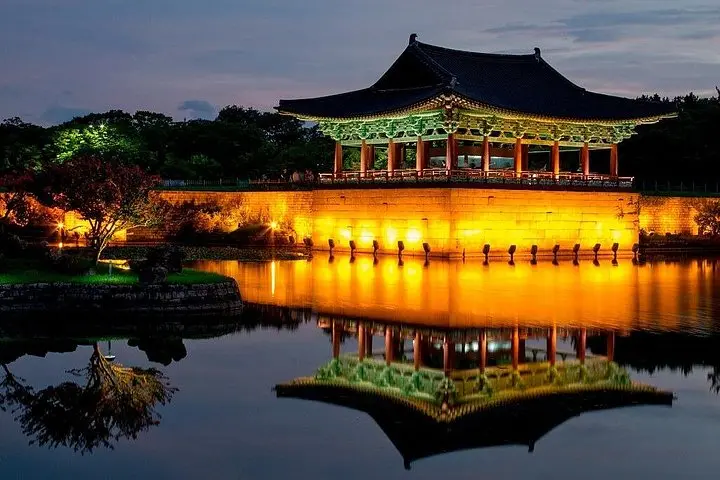
Explore a concentrated sweep of Silla-era sites in a single day: Hwangnidan Street, Cheomseongdae Observatory, royal tombs at Daereungwon, Donggung Palace and Wolji Pond, and the Gyeongju National Museum. This guided walking tour blends street-life moments with deep historical context.
Explore a concentrated sweep of Silla-era sites in a single day: Hwangnidan Street, Cheomseongdae Observatory, royal tombs at Daereungwon, Donggung Palace and Wolji Pond, and the Gyeongju National Museum. This guided walking tour blends street-life moments with deep historical context.
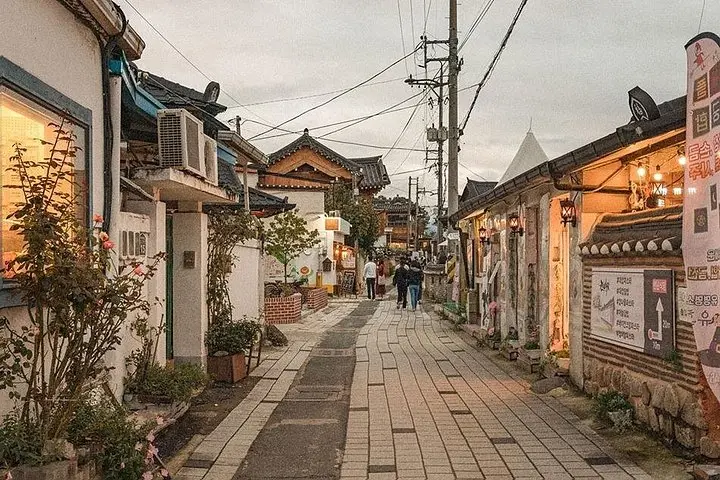
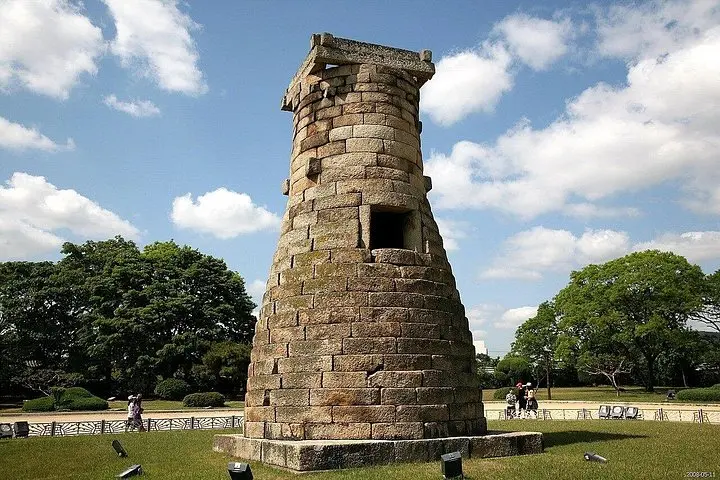
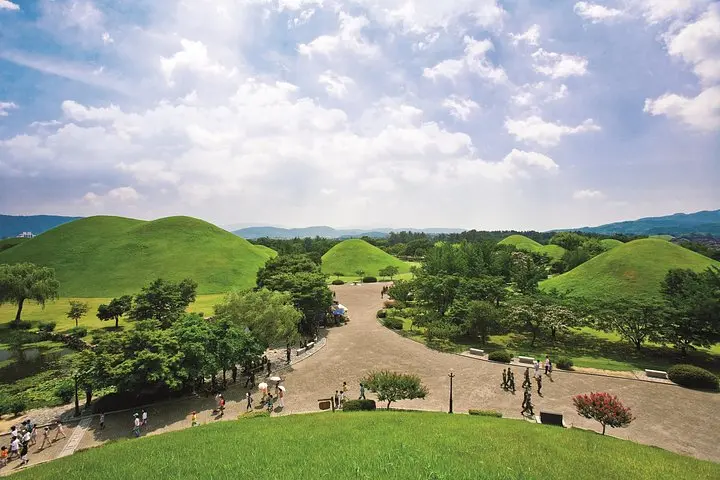
You step off the bus into a low sun that warms stone and tile, and the city of Gyeongju unfolds like a slow-moving map of the Silla Kingdom. Hwangnidan Street hums with café chatter and café light, while the grass-covered mounds of Daereungwon sit quiet and unhurried nearby. Cheomseongdae—a weathered stone column—keeps watch over the plain, managing centuries like a patient astronomer.
Verified experiences and guided adventures in the surrounding area.
Operated by Plus Planner · Gyeongju, North Gyeongsang Province
You step off the bus into a low sun that warms stone and tile, and the city of Gyeongju unfolds like a slow-moving map of the Silla Kingdom. Hwangnidan Street hums with café chatter and café light, while the grass-covered mounds of Daereungwon sit quiet and unhurried nearby. Cheomseongdae—a weathered stone column—keeps watch over the plain, managing centuries like a patient astronomer.
Gyeongju was the capital of Silla (57 BCE–935 CE) and today the city is a living museum: wooden hanok lining narrow alleys, lotus ponds at royal palace sites, and museum galleries filled with gilt relics and horse trappings. Geologically, the low hills are made of weathered granite and loess soils, and the tomb mounds are visible markers of how burial practices and landscape shaping fused ritual with topography.
On this day tour you’ll move from Hwangnidan’s new-retro streets to the quiet of Cheomseongdae, into the reconstructed atmosphere of Donggung Palace and Wolji Pond, and through the artifact-rich halls of the Gyeongju National Museum. Expect guided context on Silla funerary customs, astronomy, and local craft traditions.
Practical edge: this is a long, mostly low-impact day with several short walks and indoor museum time. Wear supportive shoes and layers for changes between open plains and climate-controlled galleries. Bring a refillable water bottle, a small daypack for souvenirs, and a portable charger—photo opportunities are constant. If you’re coming from Seoul, factor in the roundtrip transit time; the day can stretch to 14–15 hours but delivers concentrated access to Korea’s ancient capital.
This tour typically departs from Seoul and returns to the same meeting point; confirm the exact pickup location and time when you book.
Entrance fees to key sites and the Gyeongju National Museum are included in the tour price according to the itinerary details.
Children are welcome but some paths and tomb areas have steps or uneven ground that make stroller access difficult—consider a carrier for very young children.
There are food options on Hwangnidan Street and at the museum cafe; bring snacks if you prefer, but full meals are available during scheduled breaks.
Plus Planner operates guided outdoor trips and adventures with an emphasis on safety, stewardship, and memorable experiences.
You step off the bus into a low sun that warms stone and tile, and the city of Gyeongju unfolds like a slow-moving map of the Silla Kingdom. Hwangnidan Street hums with café chatter and café light, while the grass-covered mounds of Daereungwon sit quiet and unhurried nearby. Cheomseongdae—a weathered stone column—keeps watch over the plain, managing centuries like a patient astronomer.
You step off the bus into a low sun that warms stone and tile, and the city of Gyeongju unfolds like a slow-moving map of the Silla Kingdom. Hwangnidan Street hums with café chatter and café light, while the grass-covered mounds of Daereungwon sit quiet and unhurried nearby. Cheomseongdae—a weathered stone column—keeps watch over the plain, managing centuries like a patient astronomer.
Gyeongju was the capital of Silla (57 BCE–935 CE) and today the city is a living museum: wooden hanok lining narrow alleys, lotus ponds at royal palace sites, and museum galleries filled with gilt relics and horse trappings. Geologically, the low hills are made of weathered granite and loess soils, and the tomb mounds are visible markers of how burial practices and landscape shaping fused ritual with topography.
On this day tour you’ll move from Hwangnidan’s new-retro streets to the quiet of Cheomseongdae, into the reconstructed atmosphere of Donggung Palace and Wolji Pond, and through the artifact-rich halls of the Gyeongju National Museum. Expect guided context on Silla funerary customs, astronomy, and local craft traditions.
Practical edge: this is a long, mostly low-impact day with several short walks and indoor museum time. Wear supportive shoes and layers for changes between open plains and climate-controlled galleries. Bring a refillable water bottle, a small daypack for souvenirs, and a portable charger—photo opportunities are constant. If you’re coming from Seoul, factor in the roundtrip transit time; the day can stretch to 14–15 hours but delivers concentrated access to Korea’s ancient capital.