
Minneapolis Past and Present: 2-Hour Urban Walking Tour of History and Music
Walk the Stone Arch Bridge and downtown blocks with local guides who stitch together Minneapolis' Indigenous roots, milling-era boom, and present-day music scene. This accessible 2-hour tour pairs river views with city lore and practical tips for first-time visitors.
An Adventure In Minneapolis.
Walk the Stone Arch Bridge and downtown blocks with local guides who stitch together Minneapolis' Indigenous roots, milling-era boom, and present-day music scene. This accessible 2-hour tour pairs river views with city lore and practical tips for first-time visitors.
Read the full experience
Morning on the Stone Arch Bridge feels like a city exhale: the Mississippi pulls past in slow, steady confidence, daring you to look back across the mills and forward toward the skyline.
Morning on the Stone Arch Bridge feels like a city exhale: the Mississippi pulls past in slow, steady confidence, daring you to look back across the mills and forward toward the skyline.
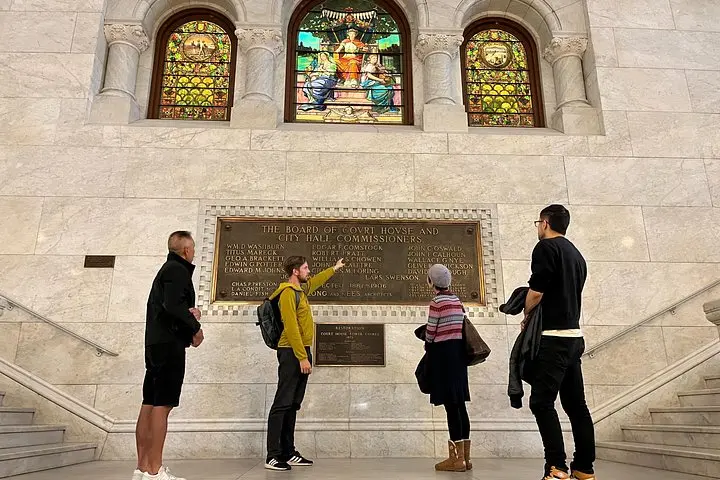
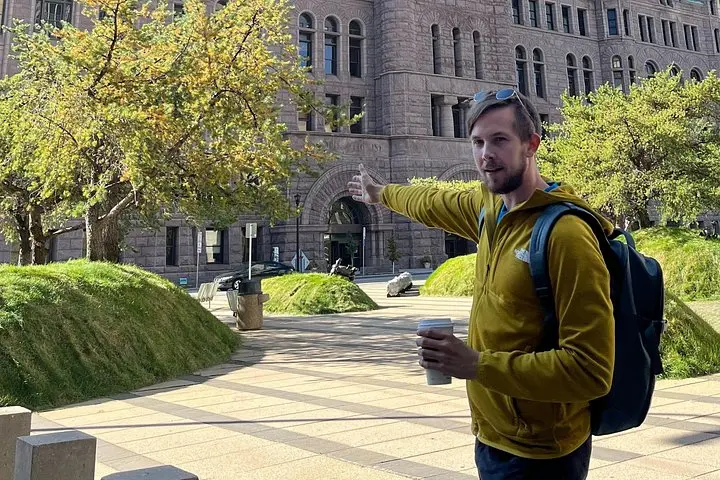
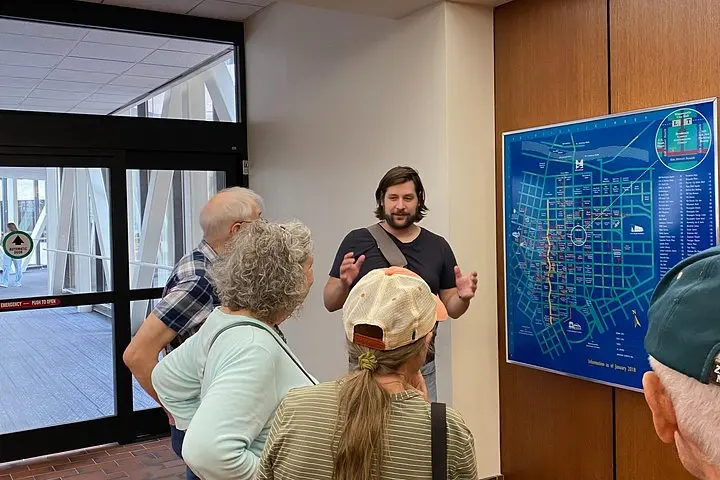
This two-hour walking tour threads that line between river and street. Guides move a small group across the bridge, through the downtown skyway network and finally to the star-studded wall of First Avenue, narrating the city's shifts—from Dakota land and the surge of flour milling around St. Anthony Falls to the repurposed warehouses that now pulse with cafés and venues.
Geology turns up in plain sight: the falls are carved through layered Platteville limestone and softer shales, the uneven erosion that once powered mills now forming the backbone of Minneapolis' layout. Culturally, the route highlights the city's live-music legacy and civic reinvention—the mill ruins give way to parks and public art that mark transitions of use and memory.
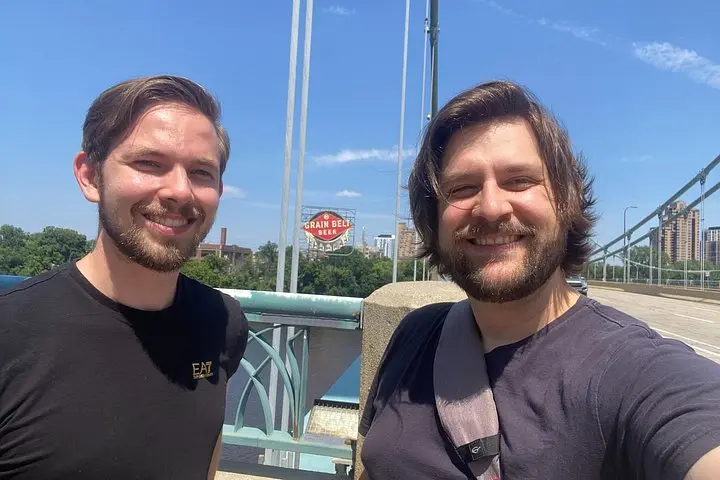
Practical guidance is clear: expect mostly flat, paved surfaces and short blocks between stops; the tour is wheelchair and stroller friendly. Wear comfortable walking shoes, bring a light layer for river wind and a refillable water bottle—the group pauses for commentary rather than long rests, so mobility and steady pacing matter more than speed. Public transit and parking are nearby, and the meeting point on the bridge makes for one of the best city-facing photo opportunities.
By the end, the city reads like an open book: industry, music, indigenous history and modern civic life arranged along a river that keeps moving forward.
Frequently asked questions
Yes. The route uses paved surfaces and accessible approaches; the operator lists the tour as wheelchair and stroller friendly.
About two hours with short stops; expect roughly 1.5–2 miles of mostly flat walking between highlights.
No; the tour includes coffee or tea but not meals. There are nearby cafés and food options at the end point.
It starts at the west side of the Stone Arch Bridge near the parking lot and ends outside First Avenue across from Target Center.
About This Experience
North Star Tours operates guided outdoor trips and adventures with an emphasis on safety, stewardship, and memorable experiences.
Adventure tips
Recommended gear
- Comfortable walking shoes: Paved streets and bridge approaches mean supportive shoes improve comfort for two hours of walking.
- Refillable water bottle: Staying hydrated matters; there are short pauses but not long breaks for purchases.
- Light wind or rain jacket: Riverfront wind and sudden showers are common in spring—bring a lightweight waterproof layer.
- Compact camera or phone: Stone Arch Bridge and First Avenue offer memorable photo opportunities of river and city life.
Photos of the experience
Related adventures & guides
Read the full experience
Morning on the Stone Arch Bridge feels like a city exhale: the Mississippi pulls past in slow, steady confidence, daring you to look back across the mills and forward toward the skyline.
Morning on the Stone Arch Bridge feels like a city exhale: the Mississippi pulls past in slow, steady confidence, daring you to look back across the mills and forward toward the skyline.
This two-hour walking tour threads that line between river and street. Guides move a small group across the bridge, through the downtown skyway network and finally to the star-studded wall of First Avenue, narrating the city's shifts—from Dakota land and the surge of flour milling around St. Anthony Falls to the repurposed warehouses that now pulse with cafés and venues.
Geology turns up in plain sight: the falls are carved through layered Platteville limestone and softer shales, the uneven erosion that once powered mills now forming the backbone of Minneapolis' layout. Culturally, the route highlights the city's live-music legacy and civic reinvention—the mill ruins give way to parks and public art that mark transitions of use and memory.
Practical guidance is clear: expect mostly flat, paved surfaces and short blocks between stops; the tour is wheelchair and stroller friendly. Wear comfortable walking shoes, bring a light layer for river wind and a refillable water bottle—the group pauses for commentary rather than long rests, so mobility and steady pacing matter more than speed. Public transit and parking are nearby, and the meeting point on the bridge makes for one of the best city-facing photo opportunities.
By the end, the city reads like an open book: industry, music, indigenous history and modern civic life arranged along a river that keeps moving forward.
Make a day of it nearby.
Verified experiences and guided adventures in the surrounding area.