THE ADVENTURE COLLECTIVE® · Independent discovery and booking for outdoor travel

A short, accessible hike to Mirador Condor delivers sweeping views of Lake Pehoé and the Paine Massif in under three hours. This half-day walk is ideal for travelers wanting a compact taste of Torres del Paine’s geology, wildlife, and wind-sculpted panoramas.
A short, accessible hike to Mirador Condor delivers sweeping views of Lake Pehoé and the Paine Massif in under three hours. This half-day walk is ideal for travelers wanting a compact taste of Torres del Paine’s geology, wildlife, and wind-sculpted panoramas.
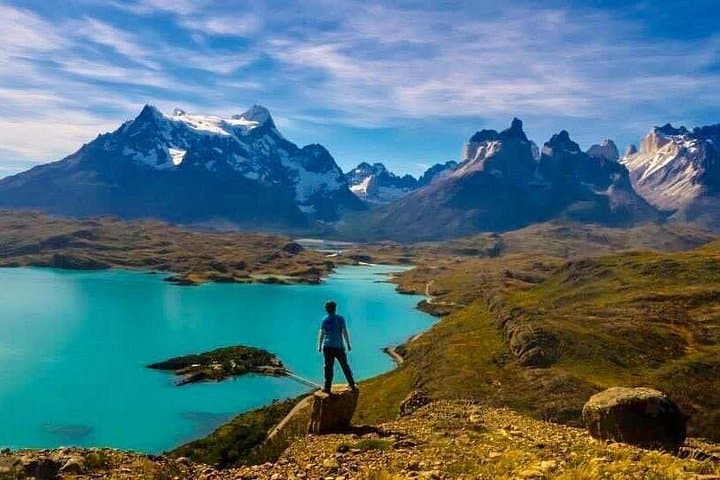
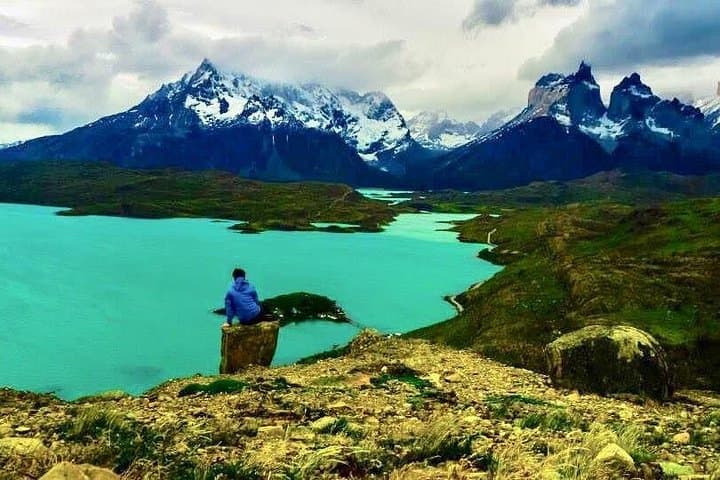
A cold wind from the Paine Massif meets you as the van drops you at the trailhead; the sky opens and the path climbs through low scrub and volcanic scree. In roughly 45 minutes of steady walking a wooden viewpoint appears above the ridge — Mirador Condor — and Lake Pehoé unfurls below, its blue water daring you to measure distance against the jagged silhouette of the towers.
Verified experiences and guided adventures in the surrounding area.
Operated by Hotel del Paine "Excursiones" · Puerto Natales, Magallanes Region
A cold wind from the Paine Massif meets you as the van drops you at the trailhead; the sky opens and the path climbs through low scrub and volcanic scree. In roughly 45 minutes of steady walking a wooden viewpoint appears above the ridge — Mirador Condor — and Lake Pehoé unfurls below, its blue water daring you to measure distance against the jagged silhouette of the towers.
The route threads land shaped by glacial carving and recent uplift: the Paine Massif is granite overlaid by younger sedimentary beds, and what you stand on is the visible edge of that collision. The region is the traditional territory of the Kawesqar and Tehuelche peoples; more recent history records sheep estancias and 20th-century park conservation that created the protected landscape you visit today.
Expect a short, rocky climb of about 2 km round-trip and roughly 150 m gain on compacted soil and exposed roots. Terrain is exposed to wind and sun; condors routinely wheel above the viewpoint, using thermal lifts from the massif.
Practically: the experience is designed for all fitness levels — the operator includes a guide, trekking poles, a snack and water, and transport in an air-conditioned vehicle from the park access point. Timing your visit for morning or late afternoon gives softer light and fewer buses. Wear a windproof layer, sturdy hiking shoes, and sun protection. Move deliberately on the scree sections, keep distance from nesting birds, and carry out any waste. In three hours you get a concentrated encounter with one of Patagonia’s most cinematic outlooks.
The walking portion is about 45 minutes each way from the trailhead, totaling roughly 2 km round-trip with approximately 150 m elevation gain.
Yes—this half-day hike is rated easy and suitable for most ages and fitness levels, though young children should be supervised on exposed sections.
Condors are commonly seen above the viewpoint; you may also spot guanacos and small passerine birds in the surrounding scrub.
The tour includes a certified guide, transport in an air-conditioned vehicle, trekking poles if needed, and a snack pack with water.
Hotel del Paine "Excursiones" operates guided outdoor trips and adventures with an emphasis on safety, stewardship, and memorable experiences.


A cold wind from the Paine Massif meets you as the van drops you at the trailhead; the sky opens and the path climbs through low scrub and volcanic scree. In roughly 45 minutes of steady walking a wooden viewpoint appears above the ridge — Mirador Condor — and Lake Pehoé unfurls below, its blue water daring you to measure distance against the jagged silhouette of the towers.
A cold wind from the Paine Massif meets you as the van drops you at the trailhead; the sky opens and the path climbs through low scrub and volcanic scree. In roughly 45 minutes of steady walking a wooden viewpoint appears above the ridge — Mirador Condor — and Lake Pehoé unfurls below, its blue water daring you to measure distance against the jagged silhouette of the towers.
The route threads land shaped by glacial carving and recent uplift: the Paine Massif is granite overlaid by younger sedimentary beds, and what you stand on is the visible edge of that collision. The region is the traditional territory of the Kawesqar and Tehuelche peoples; more recent history records sheep estancias and 20th-century park conservation that created the protected landscape you visit today.
Expect a short, rocky climb of about 2 km round-trip and roughly 150 m gain on compacted soil and exposed roots. Terrain is exposed to wind and sun; condors routinely wheel above the viewpoint, using thermal lifts from the massif.
Practically: the experience is designed for all fitness levels — the operator includes a guide, trekking poles, a snack and water, and transport in an air-conditioned vehicle from the park access point. Timing your visit for morning or late afternoon gives softer light and fewer buses. Wear a windproof layer, sturdy hiking shoes, and sun protection. Move deliberately on the scree sections, keep distance from nesting birds, and carry out any waste. In three hours you get a concentrated encounter with one of Patagonia’s most cinematic outlooks.