THE ADVENTURE COLLECTIVE® · Independent discovery and booking for outdoor travel

Walk the Malecón, photograph the Bridge of Sighs and taste Barranco’s bohemian pulse on a 4-hour guided tour that pairs modern Miraflores seaside parks with Barranco’s art-lined streets. Learn about coastal geology, local music history and the best spots for coffee and photos.
Walk the Malecón, photograph the Bridge of Sighs and taste Barranco’s bohemian pulse on a 4-hour guided tour that pairs modern Miraflores seaside parks with Barranco’s art-lined streets. Learn about coastal geology, local music history and the best spots for coffee and photos.
The morning begins on a wide Malecón where the Pacific pushes at the cliffs and the city wakes in a clean, salty breath. You step out near Kennedy Park, where vendors, pigeons and the municipal church create a lively hub; from there the tour threads through landscaped plazas, a Chinese-style gazebo and the Marino Lighthouse standing over the coast.
Verified experiences and guided adventures in the surrounding area.
Operated by Lima América Tours · Lima, Lima
The morning begins on a wide Malecón where the Pacific pushes at the cliffs and the city wakes in a clean, salty breath. You step out near Kennedy Park, where vendors, pigeons and the municipal church create a lively hub; from there the tour threads through landscaped plazas, a Chinese-style gazebo and the Marino Lighthouse standing over the coast.
Miraflores grew in the 19th and 20th centuries as Lima expanded seaward: its seaside cliffs are ancient marine terraces carved by tectonic uplift and wave action. Barranco, just south, has a different pulse—an old seaside district whose 19th-century mansions, narrow ravines and graffiti-lined alleys chronicle Lima's cultural shifts from criollo music to contemporary street art.
The Bridge of Sighs, the Chabuca Granda monument and the Bajada de Baños give shape to the neighborhood's artistic identity; the boardwalk rewards with open ocean views and sea breezes that dare you to pause and look. Local guides point out murals, colonial woodwork, and the coffee shops that replaced former salons, explaining how music and migration shaped the barrios.
Practical guidance: this is an easy, mostly flat 3–4 hour walking tour with intermittent stairs on the ravine approaches. Wear grippy shoes for coastal breezes and occasional slick stone steps, bring a light layer for the cool, humid garúa in winter, and carry cash for small crafts and cafés. Mornings are quieter for photos; late afternoons offer warmer light on mural walls and sweeping Pacific vistas.
The tour lasts about 3–4 hours and involves 2–4 miles of mostly flat walking with a few short stair sections in Barranco.
Yes; it’s rated easy, though participants should be able to walk short distances and manage stairs; infants must sit on laps.
Most stops are public plazas, viewpoints and streets—no admission fees are required for the standard walking itinerary.
Lima’s coast is mild year-round; expect cool, humid mist (garúa) in winter and clearer, sunnier conditions in summer—dress in layers.
Lima América Tours operates guided outdoor trips and adventures with an emphasis on safety, stewardship, and memorable experiences.
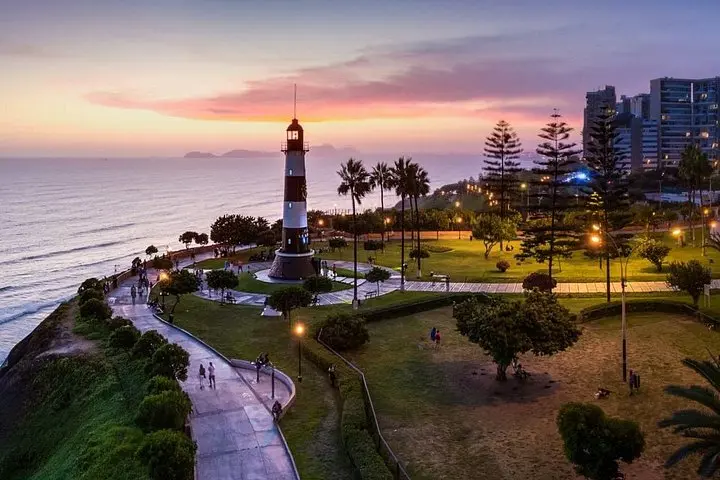
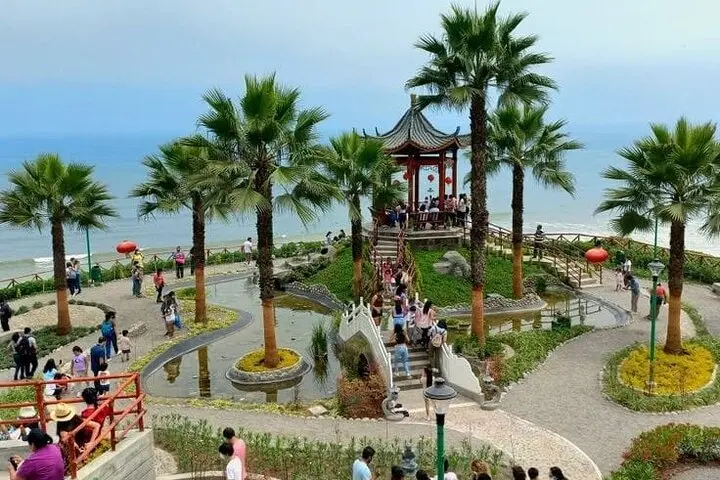
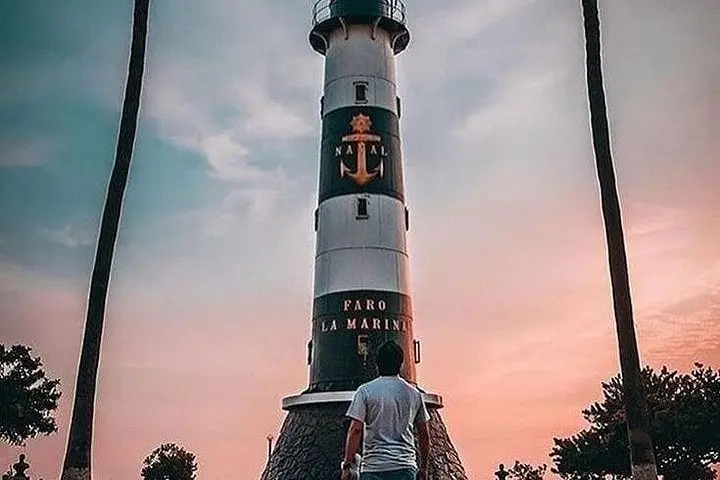
The morning begins on a wide Malecón where the Pacific pushes at the cliffs and the city wakes in a clean, salty breath. You step out near Kennedy Park, where vendors, pigeons and the municipal church create a lively hub; from there the tour threads through landscaped plazas, a Chinese-style gazebo and the Marino Lighthouse standing over the coast.
The morning begins on a wide Malecón where the Pacific pushes at the cliffs and the city wakes in a clean, salty breath. You step out near Kennedy Park, where vendors, pigeons and the municipal church create a lively hub; from there the tour threads through landscaped plazas, a Chinese-style gazebo and the Marino Lighthouse standing over the coast.
Miraflores grew in the 19th and 20th centuries as Lima expanded seaward: its seaside cliffs are ancient marine terraces carved by tectonic uplift and wave action. Barranco, just south, has a different pulse—an old seaside district whose 19th-century mansions, narrow ravines and graffiti-lined alleys chronicle Lima's cultural shifts from criollo music to contemporary street art.
The Bridge of Sighs, the Chabuca Granda monument and the Bajada de Baños give shape to the neighborhood's artistic identity; the boardwalk rewards with open ocean views and sea breezes that dare you to pause and look. Local guides point out murals, colonial woodwork, and the coffee shops that replaced former salons, explaining how music and migration shaped the barrios.
Practical guidance: this is an easy, mostly flat 3–4 hour walking tour with intermittent stairs on the ravine approaches. Wear grippy shoes for coastal breezes and occasional slick stone steps, bring a light layer for the cool, humid garúa in winter, and carry cash for small crafts and cafés. Mornings are quieter for photos; late afternoons offer warmer light on mural walls and sweeping Pacific vistas.