THE ADVENTURE COLLECTIVE® · Independent discovery and booking for outdoor travel

A full-day journey from Mirissa to Ella that places Udawalawe’s abundant elephant herds center stage, with a cultural stop at Ravana Falls. Expect grassland game drives, close elephant encounters, and practical tips for photography and timing.
A full-day journey from Mirissa to Ella that places Udawalawe’s abundant elephant herds center stage, with a cultural stop at Ravana Falls. Expect grassland game drives, close elephant encounters, and practical tips for photography and timing.
You leave the surf-scented air of Mirissa before dawn, headlights sliding over paddy plains as the coast recedes. By mid-morning the road opens into low grassland; the park’s scrub and pools appear like a stage and, already, elephants are on it—mothers nudging calves, bulls standing like slow-moving sentries.
Verified experiences and guided adventures in the surrounding area.
Operated by MIRISSA CABS SRI LANKA · Mirissa, Southern Province
You leave the surf-scented air of Mirissa before dawn, headlights sliding over paddy plains as the coast recedes. By mid-morning the road opens into low grassland; the park’s scrub and pools appear like a stage and, already, elephants are on it—mothers nudging calves, bulls standing like slow-moving sentries.
Udawalawe National Park sits at the edge of Sri Lanka’s central highlands, its grassy basins formed where upland runoff meets the man-made Udawalawe Reservoir. Established in the early 1970s to protect displaced wildlife and the watershed, the park’s geology is simple—rolling plains framed by folded highland rock—yet its ecology is dynamic, favoring large herds of Asian elephants and grazers over dense jungle predators.
Local communities around the park are agricultural; you’ll pass small temples and rice fields echoing with village life. The itinerary commonly includes a photo stop at Ravana Falls and the cave linked to the Ramayana, offering a cultural counterpoint to the safari’s wildlife focus.
Practical guide: plan a morning game drive for the best elephant activity, or choose afternoon for golden light over the grasslands. Bring a 200–400mm lens or good binoculars, a sun hat, and layered clothing for fluctuating temperatures. Vehicles are typically open-sided game jeeps—motion and dust are part of the experience—so secure loose items. Respect park rules: remain seated, keep voices low, and never approach or feed wildlife. Expect 7–8 hours total transit and game time, with long stretches of sitting punctuated by sudden, unforgettable encounters with elephants that command the landscape like slow, animated mountains.
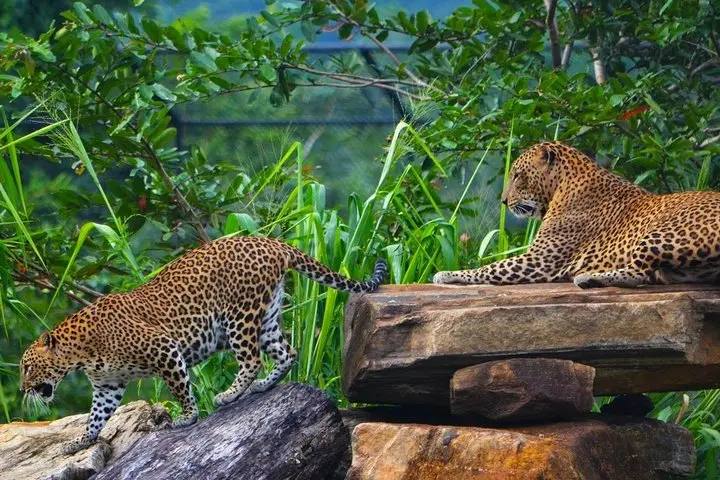
Udawalawe is known for reliable Asian elephant sightings; you may also see water buffalo, spotted deer, macaques, and a variety of waterbirds—leopards are possible but rare.
The full excursion runs about 7–8 hours total, with approximately 3 hours typically allocated for game driving inside Udawalawe.
The tour is family-friendly and rated easy, but open-sided vehicles and uneven surfaces may be challenging for some mobility limitations—check accessibility options and request assistance in advance.
Confirm with the operator—transport and bottled water are often included, but park fees, meals, and optional stops may be charged separately depending on the booking.
MIRISSA CABS SRI LANKA operates guided outdoor trips and adventures with an emphasis on safety, stewardship, and memorable experiences.
You leave the surf-scented air of Mirissa before dawn, headlights sliding over paddy plains as the coast recedes. By mid-morning the road opens into low grassland; the park’s scrub and pools appear like a stage and, already, elephants are on it—mothers nudging calves, bulls standing like slow-moving sentries.
You leave the surf-scented air of Mirissa before dawn, headlights sliding over paddy plains as the coast recedes. By mid-morning the road opens into low grassland; the park’s scrub and pools appear like a stage and, already, elephants are on it—mothers nudging calves, bulls standing like slow-moving sentries.
Udawalawe National Park sits at the edge of Sri Lanka’s central highlands, its grassy basins formed where upland runoff meets the man-made Udawalawe Reservoir. Established in the early 1970s to protect displaced wildlife and the watershed, the park’s geology is simple—rolling plains framed by folded highland rock—yet its ecology is dynamic, favoring large herds of Asian elephants and grazers over dense jungle predators.
Local communities around the park are agricultural; you’ll pass small temples and rice fields echoing with village life. The itinerary commonly includes a photo stop at Ravana Falls and the cave linked to the Ramayana, offering a cultural counterpoint to the safari’s wildlife focus.
Practical guide: plan a morning game drive for the best elephant activity, or choose afternoon for golden light over the grasslands. Bring a 200–400mm lens or good binoculars, a sun hat, and layered clothing for fluctuating temperatures. Vehicles are typically open-sided game jeeps—motion and dust are part of the experience—so secure loose items. Respect park rules: remain seated, keep voices low, and never approach or feed wildlife. Expect 7–8 hours total transit and game time, with long stretches of sitting punctuated by sudden, unforgettable encounters with elephants that command the landscape like slow, animated mountains.