THE ADVENTURE COLLECTIVE® · Independent discovery and booking for outdoor travel

Head out from Mirissa Harbor on a four-hour ocean safari where deep offshore canyons bring blue whales, sperm whales and playful dolphin pods within view. Expect calm mornings, binocular-worthy action, and practical tips to optimize your chance of sightings.
Head out from Mirissa Harbor on a four-hour ocean safari where deep offshore canyons bring blue whales, sperm whales and playful dolphin pods within view. Expect calm mornings, binocular-worthy action, and practical tips to optimize your chance of sightings.
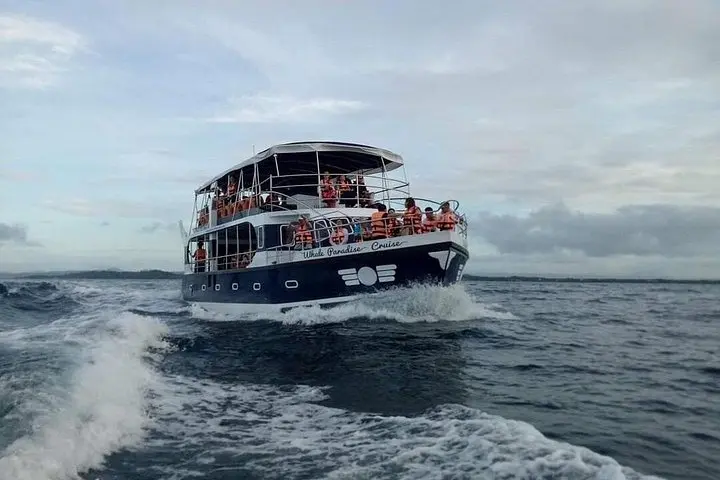
Dawn breaks low over Mirissa Bay and the small harbor hums with boat engines and the smell of diesel and salt. Passengers step into steady fiberglass skiffs as the shoreline recedes; the sea opens, wide and restless, and the horizon begins to answer.
Verified experiences and guided adventures in the surrounding area.
Operated by ZRI Adventures · Mirissa, Southern Province
Dawn breaks low over Mirissa Bay and the small harbor hums with boat engines and the smell of diesel and salt. Passengers step into steady fiberglass skiffs as the shoreline recedes; the sea opens, wide and restless, and the horizon begins to answer.
This stretch of Sri Lanka’s southern coast has been a fishing corridor for centuries. Geology and oceanography combine here — deep submarine canyons not far offshore draw plankton-rich upwellings that sustain krill and, in turn, the blue and fin whales that migrate through from November to April. The local culture is shaped by sea work: stilt fishermen, coastal markets, and families who read the swell as livelihood.
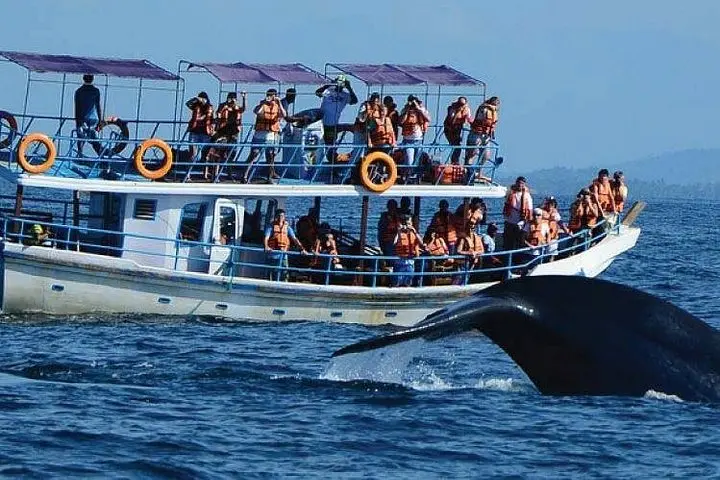
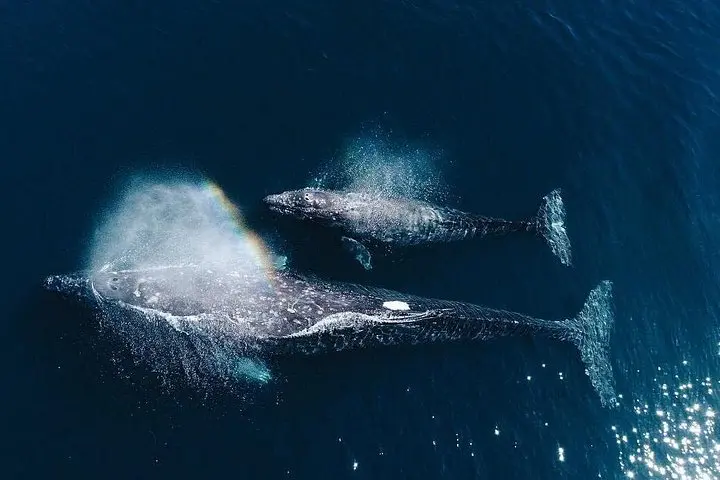
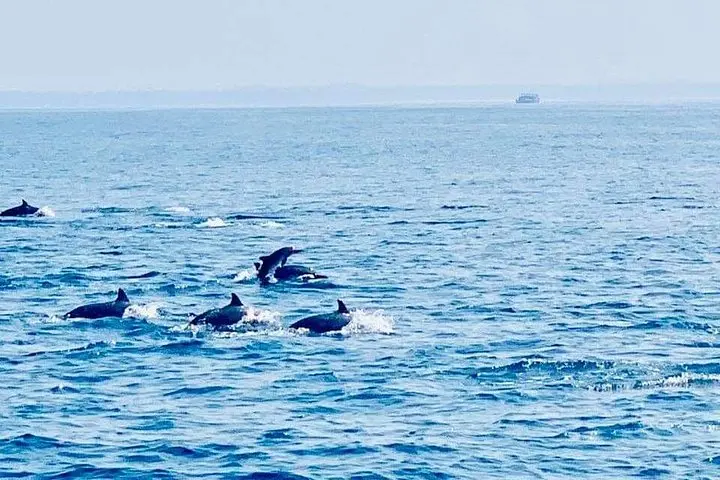
On a typical four-hour outing, expect long flat spells of glassy ocean punctuated by sudden spouts, tail slaps and dolphin bow-riding. Guides read signs — bird activity, flying fish — to hone in on mammals. Blue whales, Bryde’s whales, sperm whales and playful pods of common and spinner dolphins are the common sightings; turtles, manta rays and flying fish are frequent extras.
Practical edge: book a morning departure for calmer seas and better light; bring anti-nausea medication if you’re prone to seasickness; dress in layers and sun protection; secure cameras and binoculars. Operators provide bottled water and snacks, but keep expectations realistic — sightings are never guaranteed and weather or rough seas can cancel trips. Respect distance rules on sightings; the healthiest tours are the ones that leave animals undisturbed.
For travelers who want marine spectacle without deep-sea hardship, Mirissa is direct, dramatic and surprisingly accessible.
The prime season runs roughly November to April when calmer seas and prey availability increase sighting odds, though sightings can occur outside these months.
Operators report high seasonal sighting rates, but sightings are not guaranteed—weather, sea conditions and animal movements affect each outing.
Yes—trips are marketed as suitable for all fitness levels, but consider mobility when boarding small boats and be mindful of seasickness for vulnerable passengers.
Most tours include bottled water and light snacks; check your booking for pickup options and any additional fees for transfers or park permits.
ZRI Adventures operates guided outdoor trips and adventures with an emphasis on safety, stewardship, and memorable experiences.
Dawn breaks low over Mirissa Bay and the small harbor hums with boat engines and the smell of diesel and salt. Passengers step into steady fiberglass skiffs as the shoreline recedes; the sea opens, wide and restless, and the horizon begins to answer.
Dawn breaks low over Mirissa Bay and the small harbor hums with boat engines and the smell of diesel and salt. Passengers step into steady fiberglass skiffs as the shoreline recedes; the sea opens, wide and restless, and the horizon begins to answer.
This stretch of Sri Lanka’s southern coast has been a fishing corridor for centuries. Geology and oceanography combine here — deep submarine canyons not far offshore draw plankton-rich upwellings that sustain krill and, in turn, the blue and fin whales that migrate through from November to April. The local culture is shaped by sea work: stilt fishermen, coastal markets, and families who read the swell as livelihood.
On a typical four-hour outing, expect long flat spells of glassy ocean punctuated by sudden spouts, tail slaps and dolphin bow-riding. Guides read signs — bird activity, flying fish — to hone in on mammals. Blue whales, Bryde’s whales, sperm whales and playful pods of common and spinner dolphins are the common sightings; turtles, manta rays and flying fish are frequent extras.
Practical edge: book a morning departure for calmer seas and better light; bring anti-nausea medication if you’re prone to seasickness; dress in layers and sun protection; secure cameras and binoculars. Operators provide bottled water and snacks, but keep expectations realistic — sightings are never guaranteed and weather or rough seas can cancel trips. Respect distance rules on sightings; the healthiest tours are the ones that leave animals undisturbed.
For travelers who want marine spectacle without deep-sea hardship, Mirissa is direct, dramatic and surprisingly accessible.