THE ADVENTURE COLLECTIVE® · Independent discovery and booking for outdoor travel

Set off from Mirissa for a five-hour private cruise into waters famed for blue and sperm whale encounters. This guide covers what you’ll see, local context, and practical tips to prepare for reliable, responsible whale watching.
Set off from Mirissa for a five-hour private cruise into waters famed for blue and sperm whale encounters. This guide covers what you’ll see, local context, and practical tips to prepare for reliable, responsible whale watching.
The boat slips away from Mirissa’s fragile crescent of sand and the harbor noise thins into a single hum — gulls wheel, and the swell becomes a metronome. Ahead, the ocean flattens into a wide blue stage where the giants appear: a dark ridge, a blow that punctures the air, then the slow, rolling back of a blue or sperm whale daring you to keep watching.
Verified experiences and guided adventures in the surrounding area.
Operated by Sri Lanka Day Tours · Mirissa, Southern Province
The boat slips away from Mirissa’s fragile crescent of sand and the harbor noise thins into a single hum — gulls wheel, and the swell becomes a metronome. Ahead, the ocean flattens into a wide blue stage where the giants appear: a dark ridge, a blow that punctures the air, then the slow, rolling back of a blue or sperm whale daring you to keep watching.
The south coast of Sri Lanka has been a maritime crossroads for centuries, where trading dhows met Portuguese and Dutch ships and local fishing villages still launch before dawn. Offshore the continental shelf drops steeply; that abrupt depth change funnels krill and squid, creating reliable feeding grounds that make Mirissa one of the world’s premier whale-watching spots.
Culturally, trips depart with a local rhythm — a quick prayer, a thermos of sweet tea, and crews who read the sea with practiced patience. Expect encounters with long-bodied blue whales, blubbery sperm whales, and regular pods of dolphins that race the bow.
Practical guidance: boats typically run early morning when glassy seas improve sighting odds; tours last roughly five hours. Wear layered sun protection, secure sea-sickness remedies before boarding, and bring binoculars and a camera with a zoom lens. Operators should follow responsible-distance rules — stay observational, not intrusive, and choose licensed guides who minimize engine noise and fast approaches.
Weather can change fast; check cancellations tied to rough seas. With attentive crews and respectful passengers, Mirissa offers one of the clearest, most reliable chances to witness the ocean’s largest animals in open water.
The peak season runs roughly November through April when sea conditions are calmer and sighting odds are higher, though sightings can occur outside this window.
No—sightings depend on animal behavior and weather; reputable operators will refund or reschedule if weather makes safe viewing impossible.
Yes—most tours are family-friendly, but consider mobility for boarding small boats and sea-sickness susceptibility for vulnerable guests.
Responsible operators maintain a safe observational distance and follow local regulations to avoid harassing animals; always choose licensed guides who prioritize conservation.
Sri Lanka Day Tours operates guided outdoor trips and adventures with an emphasis on safety, stewardship, and memorable experiences.
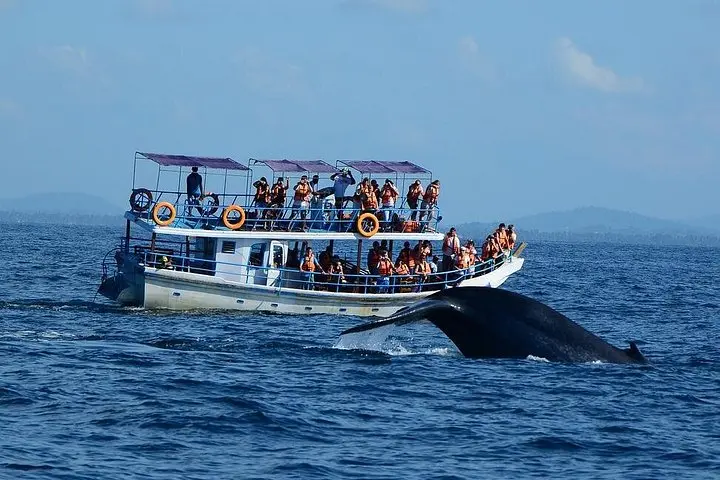
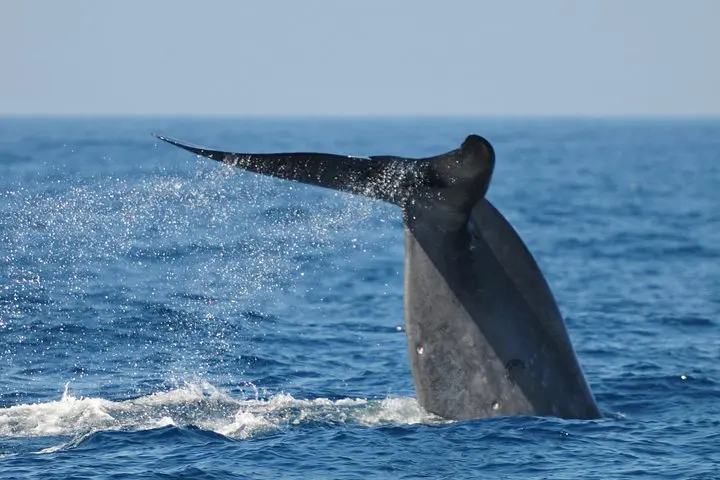
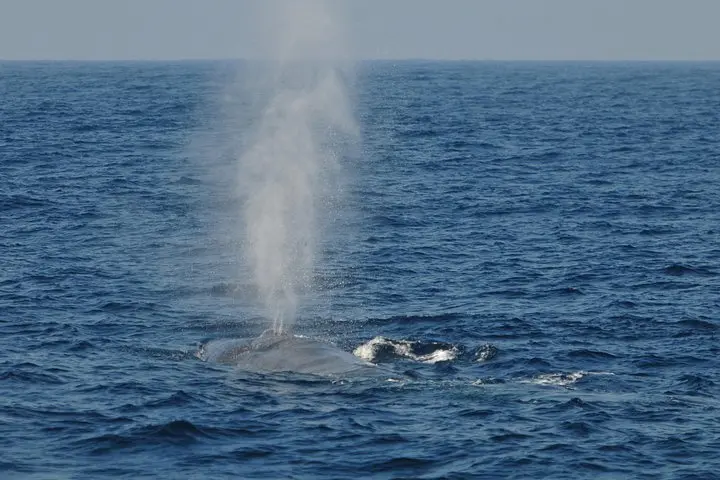
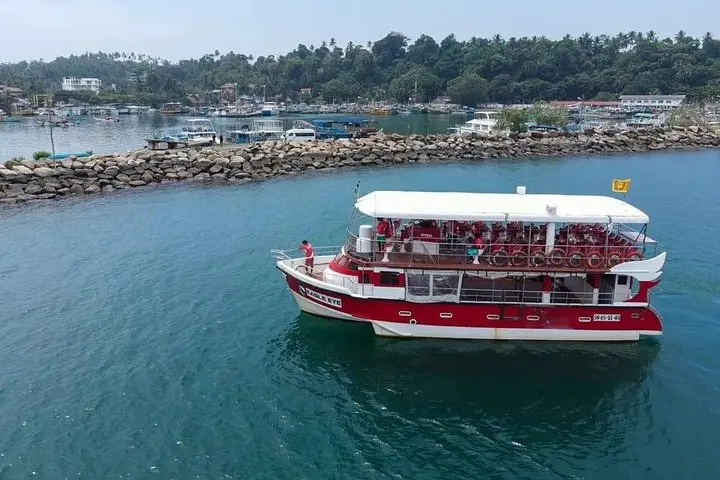
The boat slips away from Mirissa’s fragile crescent of sand and the harbor noise thins into a single hum — gulls wheel, and the swell becomes a metronome. Ahead, the ocean flattens into a wide blue stage where the giants appear: a dark ridge, a blow that punctures the air, then the slow, rolling back of a blue or sperm whale daring you to keep watching.
The boat slips away from Mirissa’s fragile crescent of sand and the harbor noise thins into a single hum — gulls wheel, and the swell becomes a metronome. Ahead, the ocean flattens into a wide blue stage where the giants appear: a dark ridge, a blow that punctures the air, then the slow, rolling back of a blue or sperm whale daring you to keep watching.
The south coast of Sri Lanka has been a maritime crossroads for centuries, where trading dhows met Portuguese and Dutch ships and local fishing villages still launch before dawn. Offshore the continental shelf drops steeply; that abrupt depth change funnels krill and squid, creating reliable feeding grounds that make Mirissa one of the world’s premier whale-watching spots.
Culturally, trips depart with a local rhythm — a quick prayer, a thermos of sweet tea, and crews who read the sea with practiced patience. Expect encounters with long-bodied blue whales, blubbery sperm whales, and regular pods of dolphins that race the bow.
Practical guidance: boats typically run early morning when glassy seas improve sighting odds; tours last roughly five hours. Wear layered sun protection, secure sea-sickness remedies before boarding, and bring binoculars and a camera with a zoom lens. Operators should follow responsible-distance rules — stay observational, not intrusive, and choose licensed guides who minimize engine noise and fast approaches.
Weather can change fast; check cancellations tied to rough seas. With attentive crews and respectful passengers, Mirissa offers one of the clearest, most reliable chances to witness the ocean’s largest animals in open water.