THE ADVENTURE COLLECTIVE® · Independent discovery and booking for outdoor travel

Head offshore from Mirissa for one of the most reliable whale-watching grounds on Earth. This day trip from Galle, Hikkaduwa or Bentota visits the continental shelf where blue whales, Bryde’s whales and playful dolphin pods are regularly sighted.
Head offshore from Mirissa for one of the most reliable whale-watching grounds on Earth. This day trip from Galle, Hikkaduwa or Bentota visits the continental shelf where blue whales, Bryde’s whales and playful dolphin pods are regularly sighted.
A brisk morning at Mirissa harbor shifts the horizon into a promise: the dark swell rises and the boats line up like patient predators waiting for the sea to show its giants. You push off from a crescent of sand, the wind cutting clean as the shoreline slips starboard and the deep water of the continental shelf draws you farther out—this is where warm currents funnel migrating whales close to Sri Lanka’s southern edge.
Verified experiences and guided adventures in the surrounding area.
Operated by Elephant Shadow Holidays & Tours (Pvt) Ltd · Mirissa, Southern Province
A brisk morning at Mirissa harbor shifts the horizon into a promise: the dark swell rises and the boats line up like patient predators waiting for the sea to show its giants. You push off from a crescent of sand, the wind cutting clean as the shoreline slips starboard and the deep water of the continental shelf draws you farther out—this is where warm currents funnel migrating whales close to Sri Lanka’s southern edge.
The stretch from Mirissa to Dondra Point has been a maritime corridor for centuries—sailors, traders and later naturalists noted the regular passage of large whales along the shelf break. Geologically, the sudden drop-off to deep ocean only a few kilometers offshore creates rich upwellings that attract krill and the animals that eat them, including blue and fin whales. Locally, fishing villages like Mirissa and Weligama built their culture around the sea; today many families run boat operations and stilt-fishermen remain a striking human feature on the shore.
On a typical tour you can expect binocular-ready moments and breath-held surfacing: blue whales, Bryde’s whales, sperm whales and playful dolphin pods are all possibilities. Operators usually launch early—best sightings occur in calm morning seas between November and April.
Practical guidance: wear layered sun protection, take seasickness prevention, bring a zoom lens and a small dry bag for essentials. Respect distance rules set by guides; keep conversations quiet during sightings to avoid startling the animals. Plan transport time—the trip from Galle or Bentota adds an hour or more depending on pickup—and allow the whole day for hotel transfers and the sea outing.
The prime season runs from November through April when sea conditions are calmer and migratory whales are most frequently sighted.
Tours typically run 6–8 hours including hotel pickup, transfer to Mirissa, and a 3–4 hour boat excursion; most include bottled water and admission.
Common sightings include blue whales, Bryde’s whales, sperm whales and various dolphin species such as common and spinner dolphins; sightings are never guaranteed.
Many operators accept families and note tours are suitable for all fitness levels, but boarding small boats requires stepping down into them—check accessibility and bring assistance if needed.
Elephant Shadow Holidays & Tours (Pvt) Ltd operates guided outdoor trips and adventures with an emphasis on safety, stewardship, and memorable experiences.
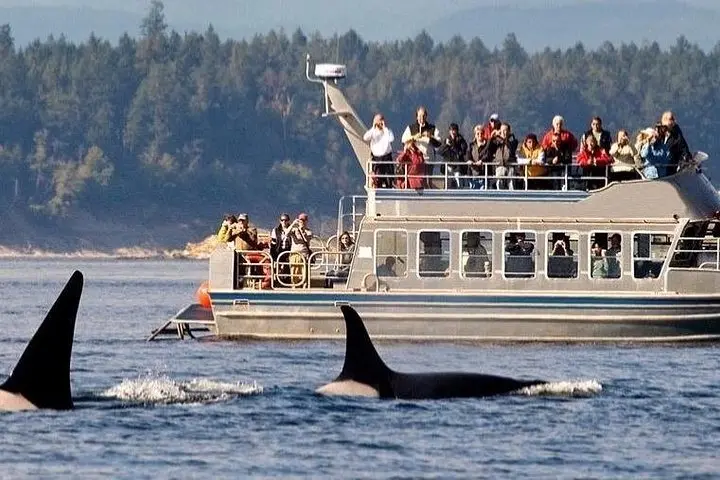
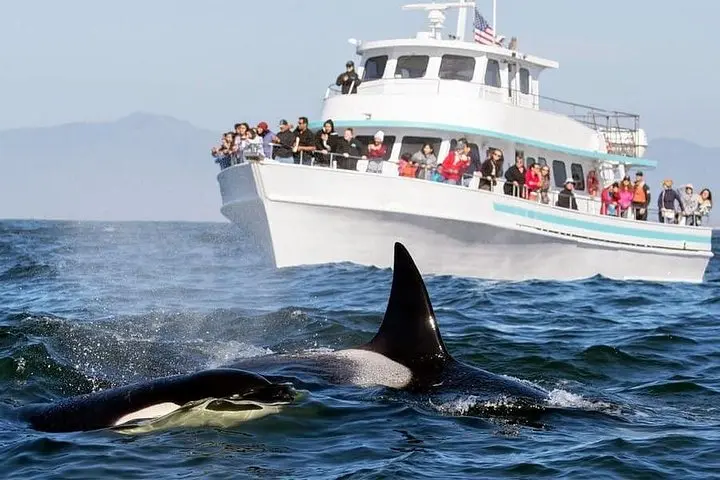
A brisk morning at Mirissa harbor shifts the horizon into a promise: the dark swell rises and the boats line up like patient predators waiting for the sea to show its giants. You push off from a crescent of sand, the wind cutting clean as the shoreline slips starboard and the deep water of the continental shelf draws you farther out—this is where warm currents funnel migrating whales close to Sri Lanka’s southern edge.
A brisk morning at Mirissa harbor shifts the horizon into a promise: the dark swell rises and the boats line up like patient predators waiting for the sea to show its giants. You push off from a crescent of sand, the wind cutting clean as the shoreline slips starboard and the deep water of the continental shelf draws you farther out—this is where warm currents funnel migrating whales close to Sri Lanka’s southern edge.
The stretch from Mirissa to Dondra Point has been a maritime corridor for centuries—sailors, traders and later naturalists noted the regular passage of large whales along the shelf break. Geologically, the sudden drop-off to deep ocean only a few kilometers offshore creates rich upwellings that attract krill and the animals that eat them, including blue and fin whales. Locally, fishing villages like Mirissa and Weligama built their culture around the sea; today many families run boat operations and stilt-fishermen remain a striking human feature on the shore.
On a typical tour you can expect binocular-ready moments and breath-held surfacing: blue whales, Bryde’s whales, sperm whales and playful dolphin pods are all possibilities. Operators usually launch early—best sightings occur in calm morning seas between November and April.
Practical guidance: wear layered sun protection, take seasickness prevention, bring a zoom lens and a small dry bag for essentials. Respect distance rules set by guides; keep conversations quiet during sightings to avoid startling the animals. Plan transport time—the trip from Galle or Bentota adds an hour or more depending on pickup—and allow the whole day for hotel transfers and the sea outing.