THE ADVENTURE COLLECTIVE® · Independent discovery and booking for outdoor travel

Two days along Sri Lanka’s south coast combine a walking tour of UNESCO-listed Galle Fort, a mangrove ride on the Madu River, and a high-probability whale-watching excursion from Mirissa. Expect colonial streets, turtle hatcheries, and ocean wildlife on a compact overnight trip from Colombo.
Two days along Sri Lanka’s south coast combine a walking tour of UNESCO-listed Galle Fort, a mangrove ride on the Madu River, and a high-probability whale-watching excursion from Mirissa. Expect colonial streets, turtle hatcheries, and ocean wildlife on a compact overnight trip from Colombo.
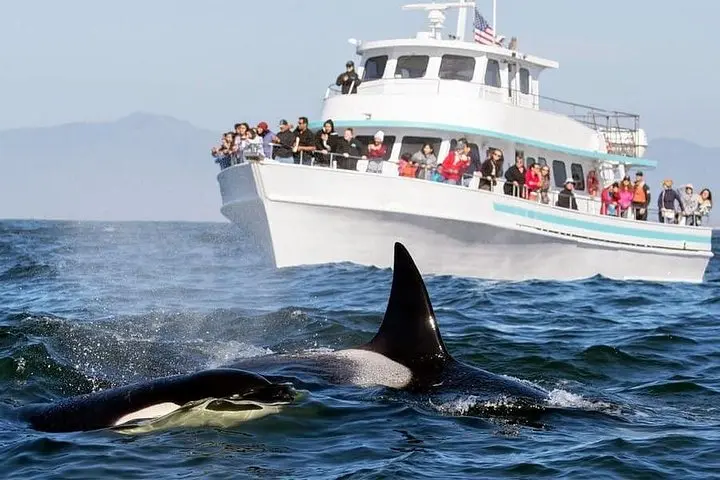
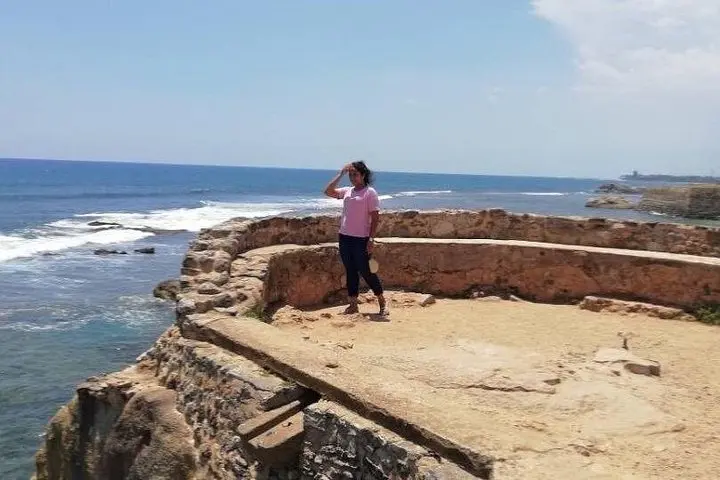
The morning light off Sri Lanka’s southern coast sharpens the horizon into a ribbon of silver as the van eases onto the coastal road. Within hours the city’s chaos falls away and the ocean takes over—wide, blue, and itching with movement. You arrive in Galle to walk ramparts that have faced fleets for centuries, then slip south to Mirissa where boats cut toward the continental shelf and the sea starts to behave like a living thing, lifting and lowering with the migrations of whales.
Verified experiences and guided adventures in the surrounding area.
Operated by Elephant Shadow Holidays & Tours (Pvt) Ltd · Mirissa, Southern Province
The morning light off Sri Lanka’s southern coast sharpens the horizon into a ribbon of silver as the van eases onto the coastal road. Within hours the city’s chaos falls away and the ocean takes over—wide, blue, and itching with movement. You arrive in Galle to walk ramparts that have faced fleets for centuries, then slip south to Mirissa where boats cut toward the continental shelf and the sea starts to behave like a living thing, lifting and lowering with the migrations of whales.
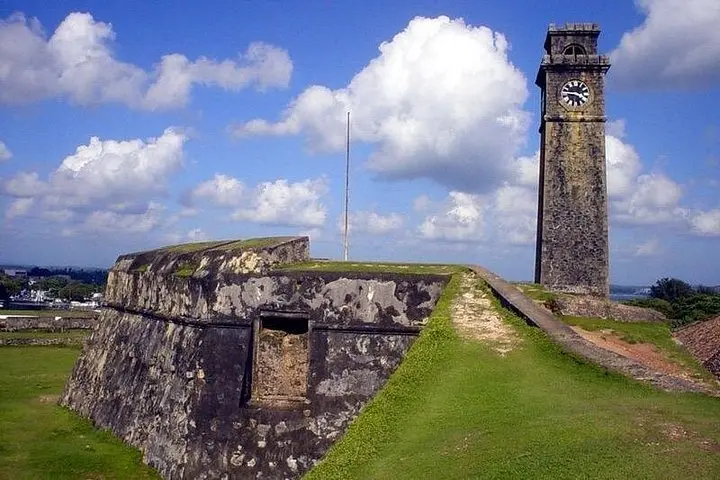
Galle Fort is a layered colonial record: Portuguese foundations, Dutch fortifications and British houses arranged along cobbled streets and a lighthouse that still keeps a slow, steady watch. Geologically the south coast drops quickly to deep water near Dondra Point, which is why large whales are reliably sighted offshore between November and April. Culture here blends fishing communities, spice gardens, and small conservation projects—Kosgoda’s turtle hatchery and the mangrove channels of the Madu River are local chapters in a longer environmental story.
Practically, expect two active days: a one-hour Madu River boat through mangrove islets, a walking tour of Galle Fort, an overnight in Mirissa at a 3-star hotel, and a roughly six-hour whale-watch at sea. Seas can be choppy; bring motion-sickness remedies, sun protection and layers. Morning departures increase sighting odds and avoid midday heat. Respect distance guidelines around marine mammals, support licensed boats, and budget time for traffic between Colombo and the south coast (roughly 2–3 hours each way). This trip pairs history and coastline with high-probability wildlife viewing—an accessible, tactile encounter with Sri Lanka’s southern edge.
The reliable season runs from November through April when whales move closer to the continental shelf near Dondra Point; sightings are far more frequent in these months.
Yes—operators often accommodate families, but infants usually must sit on laps and parents should prepare for long hours and sun exposure; confirm specifics with the operator during booking.
Expect around 4–6 hours at sea from Mirissa, including transit to productive feeding grounds and time searching for animals.
Ground transportation and some ports are accessible and the itinerary lists wheelchair-accessible options, but whale-boat boarding often requires steps; check with the provider for tailored assistance.
Elephant Shadow Holidays & Tours (Pvt) Ltd operates guided outdoor trips and adventures with an emphasis on safety, stewardship, and memorable experiences.
The morning light off Sri Lanka’s southern coast sharpens the horizon into a ribbon of silver as the van eases onto the coastal road. Within hours the city’s chaos falls away and the ocean takes over—wide, blue, and itching with movement. You arrive in Galle to walk ramparts that have faced fleets for centuries, then slip south to Mirissa where boats cut toward the continental shelf and the sea starts to behave like a living thing, lifting and lowering with the migrations of whales.
The morning light off Sri Lanka’s southern coast sharpens the horizon into a ribbon of silver as the van eases onto the coastal road. Within hours the city’s chaos falls away and the ocean takes over—wide, blue, and itching with movement. You arrive in Galle to walk ramparts that have faced fleets for centuries, then slip south to Mirissa where boats cut toward the continental shelf and the sea starts to behave like a living thing, lifting and lowering with the migrations of whales.
Galle Fort is a layered colonial record: Portuguese foundations, Dutch fortifications and British houses arranged along cobbled streets and a lighthouse that still keeps a slow, steady watch. Geologically the south coast drops quickly to deep water near Dondra Point, which is why large whales are reliably sighted offshore between November and April. Culture here blends fishing communities, spice gardens, and small conservation projects—Kosgoda’s turtle hatchery and the mangrove channels of the Madu River are local chapters in a longer environmental story.
Practically, expect two active days: a one-hour Madu River boat through mangrove islets, a walking tour of Galle Fort, an overnight in Mirissa at a 3-star hotel, and a roughly six-hour whale-watch at sea. Seas can be choppy; bring motion-sickness remedies, sun protection and layers. Morning departures increase sighting odds and avoid midday heat. Respect distance guidelines around marine mammals, support licensed boats, and budget time for traffic between Colombo and the south coast (roughly 2–3 hours each way). This trip pairs history and coastline with high-probability wildlife viewing—an accessible, tactile encounter with Sri Lanka’s southern edge.