THE ADVENTURE COLLECTIVE® · Independent discovery and booking for outdoor travel

Ride quiet paths along Mission Creek and watch Kokanee salmon push upstream during the spawning season. This 2.5-hour e-bike tour pairs easy pedaling with an audio guide and a conservation-minded finish.
Ride quiet paths along Mission Creek and watch Kokanee salmon push upstream during the spawning season. This 2.5-hour e-bike tour pairs easy pedaling with an audio guide and a conservation-minded finish.
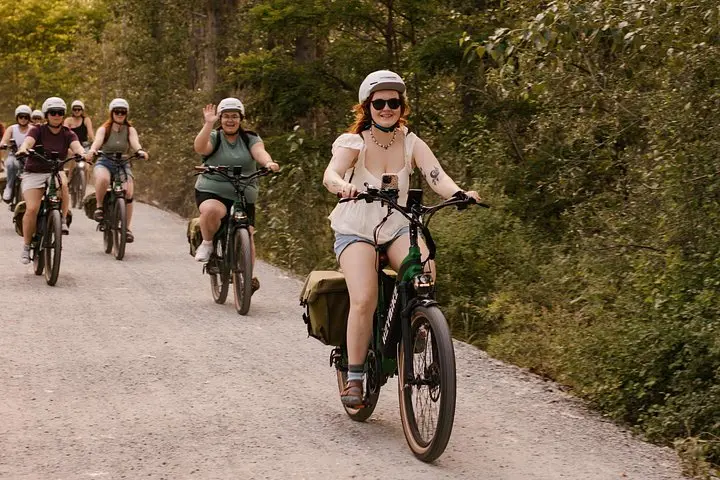
A cool morning, the low hum of an e-bike and the light catching ripples: you roll away from Lakeside Eco-Sports toward Mission Creek Greenway, tires whispering on paved paths as reeds edge the water. Kokanee flash beneath the surface and the audio guide cues an explanation; the ride feels part urban loop, part natural theater.
Verified experiences and guided adventures in the surrounding area.
Operated by Lakeside Eco-Sports · Kelowna, British Columbia
A cool morning, the low hum of an e-bike and the light catching ripples: you roll away from Lakeside Eco-Sports toward Mission Creek Greenway, tires whispering on paved paths as reeds edge the water. Kokanee flash beneath the surface and the audio guide cues an explanation; the ride feels part urban loop, part natural theater.
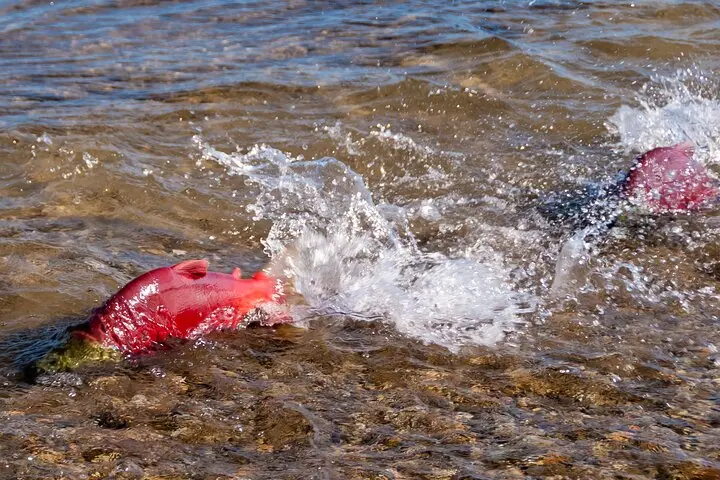
Mission Creek slices through the Okanagan’s glacially carved valley, its greenway following an old floodplain where sediment and bedrock shape a narrow spawning corridor. Kokanee, a landlocked form of sockeye salmon, return to tributaries here each fall — an ecological event local stewards have worked to protect since the mid-20th century. The culture around the creek blends city parks, community volunteers and Indigenous ties to freshwater stewardship.
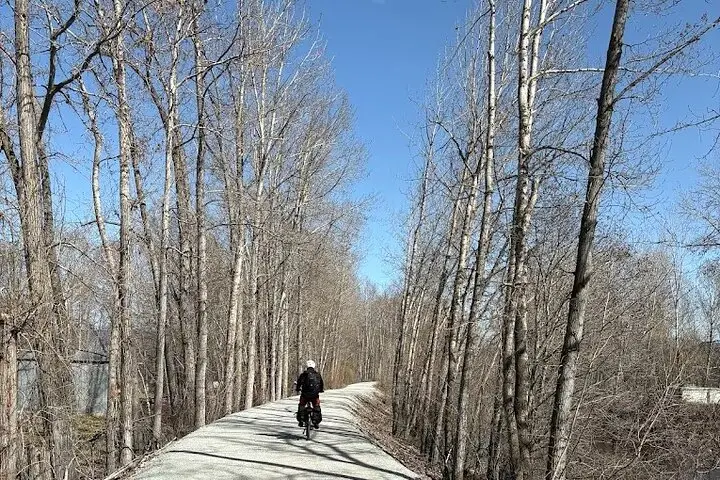
Expect mostly flat, mixed paved-and-packed-gravel terrain with minimal elevation gain (under ~100 m) and a total distance around 12–15 km depending on detours. The tour’s 2.5-hour rhythm — a 30-minute outbound cruise, a 90-minute guided stop-and-watch stretch, and an easy return — leaves time to listen, look and photograph without sprinting.
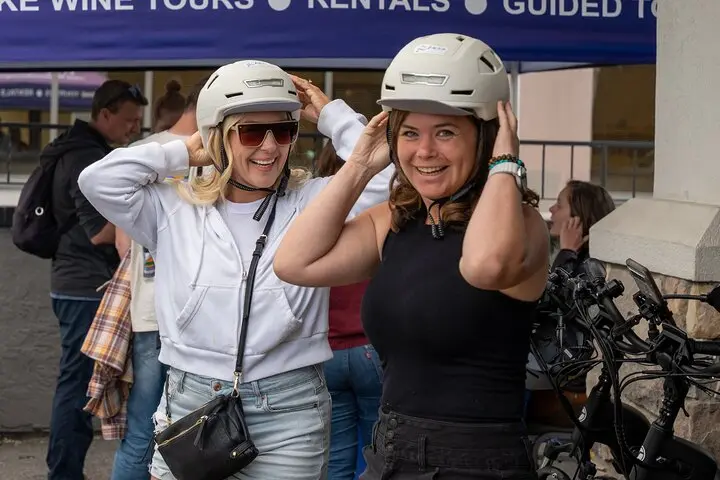
Practical side: use the provided helmet, keep your phone charged for the app-guided commentary, and ride predictably around walkers and dogs. Fall mornings offer the best salmon viewing; summer brings warm light but more park users. Bring layers, water and a camera with a zoom; aim to arrive before mid-morning when light and fish activity often align. This is an accessible, low-impact way to witness a seasonal natural spectacle while supporting local conservation.
The Kokanee spawn most reliably in fall, typically October–November; morning visits often offer better light and calmer viewing conditions.
No — this tour is designed for riders of all levels; guides and the app walk you through handling, and the route is mostly flat and forgiving.
Yes — it’s family-friendly, though riders should be comfortable on a bike; children should use appropriately sized bikes or be accompanied in child seats or trailers if available.
Tours may be canceled for heavy rain or unsafe conditions; check the operator’s 24-hour cancellation policy and dress in layers for light rain or wind.
Lakeside Eco-Sports operates guided outdoor trips and adventures with an emphasis on safety, stewardship, and memorable experiences.
A cool morning, the low hum of an e-bike and the light catching ripples: you roll away from Lakeside Eco-Sports toward Mission Creek Greenway, tires whispering on paved paths as reeds edge the water. Kokanee flash beneath the surface and the audio guide cues an explanation; the ride feels part urban loop, part natural theater.
A cool morning, the low hum of an e-bike and the light catching ripples: you roll away from Lakeside Eco-Sports toward Mission Creek Greenway, tires whispering on paved paths as reeds edge the water. Kokanee flash beneath the surface and the audio guide cues an explanation; the ride feels part urban loop, part natural theater.
Mission Creek slices through the Okanagan’s glacially carved valley, its greenway following an old floodplain where sediment and bedrock shape a narrow spawning corridor. Kokanee, a landlocked form of sockeye salmon, return to tributaries here each fall — an ecological event local stewards have worked to protect since the mid-20th century. The culture around the creek blends city parks, community volunteers and Indigenous ties to freshwater stewardship.
Expect mostly flat, mixed paved-and-packed-gravel terrain with minimal elevation gain (under ~100 m) and a total distance around 12–15 km depending on detours. The tour’s 2.5-hour rhythm — a 30-minute outbound cruise, a 90-minute guided stop-and-watch stretch, and an easy return — leaves time to listen, look and photograph without sprinting.
Practical side: use the provided helmet, keep your phone charged for the app-guided commentary, and ride predictably around walkers and dogs. Fall mornings offer the best salmon viewing; summer brings warm light but more park users. Bring layers, water and a camera with a zoom; aim to arrive before mid-morning when light and fish activity often align. This is an accessible, low-impact way to witness a seasonal natural spectacle while supporting local conservation.