THE ADVENTURE COLLECTIVE® · Independent discovery and booking for outdoor travel

Walk the Mission’s sunlit streets with a private guide, tasting empanadas, pupusas and artisan chocolate while learning the neighborhood’s Spanish-era history and street-art culture. This three-hour tour mixes food, murals, and local stories across about 1.5–2 miles of easy walking.
Walk the Mission’s sunlit streets with a private guide, tasting empanadas, pupusas and artisan chocolate while learning the neighborhood’s Spanish-era history and street-art culture. This three-hour tour mixes food, murals, and local stories across about 1.5–2 miles of easy walking.
You begin on the grassy slope of Mission Dolores Park, the city spread below and murals leaning in like neighbors telling stories. The air carries cinnamon from a bakery and the faint smoke of a taquería; colors on building facades push you from one corner to the next.
Verified experiences and guided adventures in the surrounding area.
Operated by Travel Curious · San Francisco, California
You begin on the grassy slope of Mission Dolores Park, the city spread below and murals leaning in like neighbors telling stories. The air carries cinnamon from a bakery and the faint smoke of a taquería; colors on building facades push you from one corner to the next.
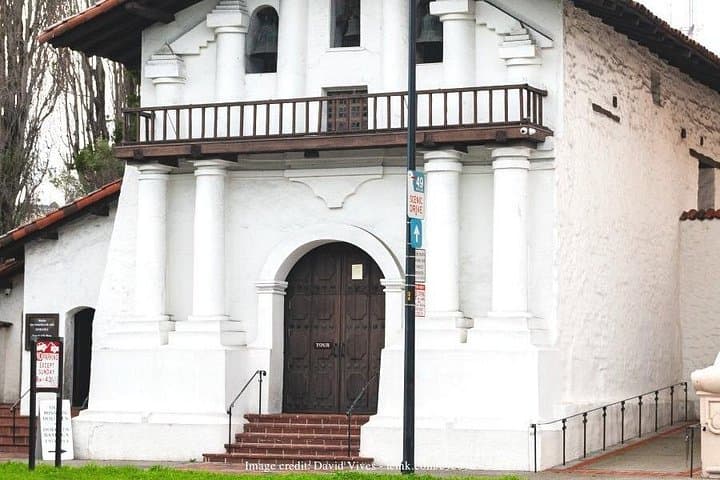
This three-hour private walking tour threads culinary stops with civic history. The Mission started under Spanish rule in the 18th century; Saint Francis of Assisi (Mission Dolores) is the neighborhood’s oldest standing structure and a reminder of that colonial past. The route winds past Clarion Alley’s activist murals and the Women’s Building’s MaestraPeace—public art that acts like a running conversation about identity and politics.
Geology here is subtle: short, sunlit climbs over compacted Bay Area hills give way to flatter, grid-style streets. Expect about 1.5–2 miles of walking with roughly 150–250 feet of cumulative elevation gain—enough to raise the pulse but not to exhaust.
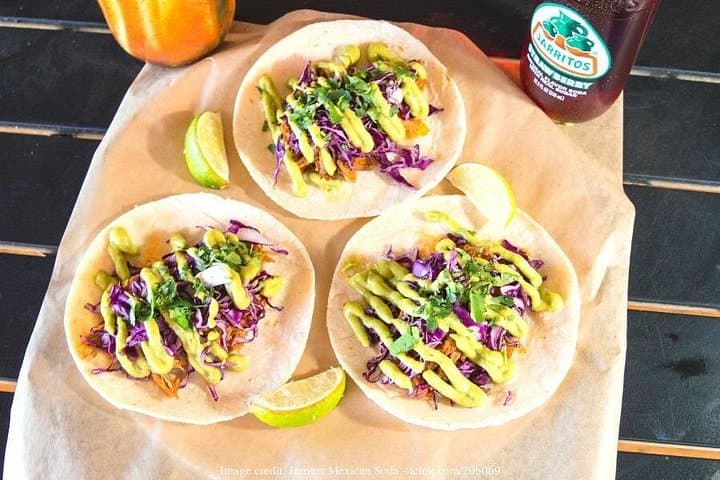
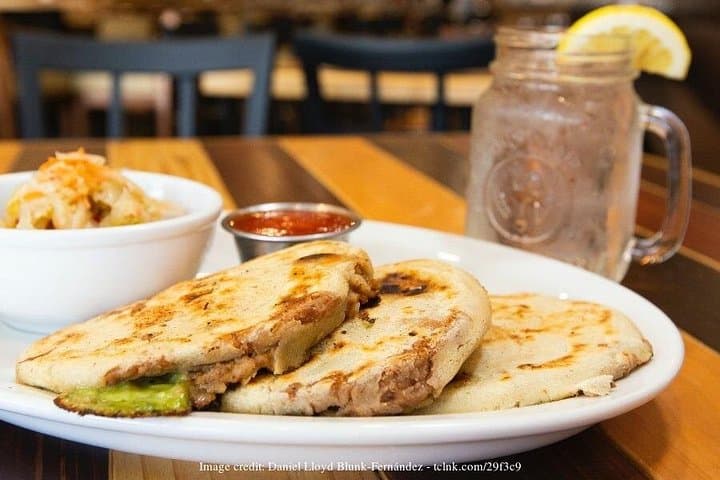
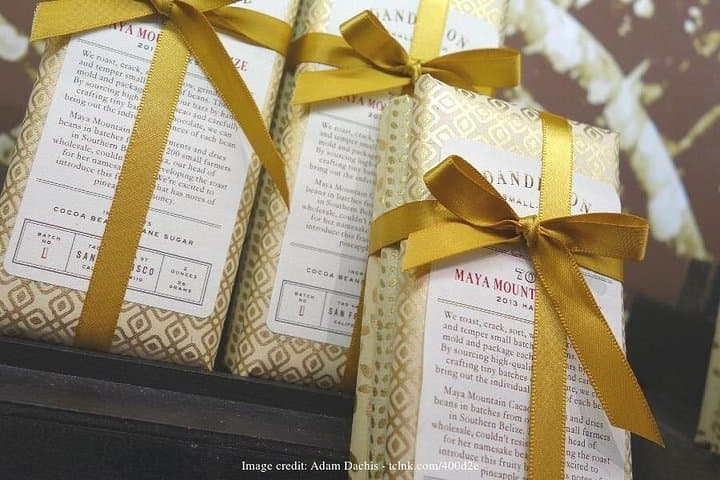
Culinary highlights include empanadas, pupusas, artisanal chocolate, and Mexican sweetbreads at a local panadería, with seated tastings at a taquería to rest between stops. Guides explain ingredients, sourcing, and immigrant foodways that define the Mission’s flavors.
Practical notes: book morning or late-afternoon slots to avoid peak heat and crowds, flag dietary restrictions ahead of time, and bring a refillable bottle and comfortable shoes. The tour is wheelchair accessible but includes some uneven sidewalks; public transit and ride apps make logistics simple. This walk is equal parts neighborhood history, street art viewing, and savory tasting—a compact, sensory primer on one of San Francisco’s most outspoken quarters.
Yes, the tour is advertised as wheelchair accessible, but some sidewalks and crosswalks can be uneven—contact the operator to discuss specific mobility needs.
The tour includes tastings at four locations, typically a mix of savory and sweet items plus one seated tasting.
Yes—notify dietary restrictions at booking and the guide will work with vendors to accommodate where possible.
Tours commonly begin near Mission Dolores Park and end at a local panadería on or near 24th Street, but exact start/end points will be confirmed after booking.
Travel Curious operates guided outdoor trips and adventures with an emphasis on safety, stewardship, and memorable experiences.
You begin on the grassy slope of Mission Dolores Park, the city spread below and murals leaning in like neighbors telling stories. The air carries cinnamon from a bakery and the faint smoke of a taquería; colors on building facades push you from one corner to the next.
You begin on the grassy slope of Mission Dolores Park, the city spread below and murals leaning in like neighbors telling stories. The air carries cinnamon from a bakery and the faint smoke of a taquería; colors on building facades push you from one corner to the next.
This three-hour private walking tour threads culinary stops with civic history. The Mission started under Spanish rule in the 18th century; Saint Francis of Assisi (Mission Dolores) is the neighborhood’s oldest standing structure and a reminder of that colonial past. The route winds past Clarion Alley’s activist murals and the Women’s Building’s MaestraPeace—public art that acts like a running conversation about identity and politics.
Geology here is subtle: short, sunlit climbs over compacted Bay Area hills give way to flatter, grid-style streets. Expect about 1.5–2 miles of walking with roughly 150–250 feet of cumulative elevation gain—enough to raise the pulse but not to exhaust.
Culinary highlights include empanadas, pupusas, artisanal chocolate, and Mexican sweetbreads at a local panadería, with seated tastings at a taquería to rest between stops. Guides explain ingredients, sourcing, and immigrant foodways that define the Mission’s flavors.
Practical notes: book morning or late-afternoon slots to avoid peak heat and crowds, flag dietary restrictions ahead of time, and bring a refillable bottle and comfortable shoes. The tour is wheelchair accessible but includes some uneven sidewalks; public transit and ride apps make logistics simple. This walk is equal parts neighborhood history, street art viewing, and savory tasting—a compact, sensory primer on one of San Francisco’s most outspoken quarters.