THE ADVENTURE COLLECTIVE® · Independent discovery and booking for outdoor travel

Walk across fresh basalt and native laurel forest on Terceira’s Mistérios Negros Trail. This half‑day guided hike covers volcanic cones, protected vegetation, and compacted scoria over a challenging 5.8 km loop.
Walk across fresh basalt and native laurel forest on Terceira’s Mistérios Negros Trail. This half‑day guided hike covers volcanic cones, protected vegetation, and compacted scoria over a challenging 5.8 km loop.
A low, cool wind rolls across black scoria and moss where the Mistérios Negros Trail cuts through the island’s volcanic center. The path threads between recent basalt flows and stands of native laurel and juniper, offering sudden clearings with views down toward the Atlantic and up to the shadowed rims of nearby cones.
Verified experiences and guided adventures in the surrounding area.
Operated by Angratravel Tours · Angra do Heroísmo, Azores
A low, cool wind rolls across black scoria and moss where the Mistérios Negros Trail cuts through the island’s volcanic center. The path threads between recent basalt flows and stands of native laurel and juniper, offering sudden clearings with views down toward the Atlantic and up to the shadowed rims of nearby cones.
Geology here is immediate: you’ll walk over fresh volcanic deposits from Holocene eruptions, later colonized by endemic Azorean flora now protected inside the island’s natural reserve. The route is small-scale but intense — roughly 5.8 km round‑trip on uneven, rocky ground with exposed roots and loose scoria; guided groups typically take 2–3 hours on the walking sections but the scheduled half‑day includes transport and stops.
Locally, Terceira’s human history — from volcanic hazard management to pastoral land use — is visible in the fenced fields and old stone walls that border parts of the trail. Guides often point out native plants used historically for fuel and fencing and explain the reserve’s role in preserving rare species.
Practical guidance: approach this as a challenging hike. Sturdy boots with ankle support, layered clothing, and a waterproof shell matter more here than fashion. Bring 1–1.5 liters of water, snacks, and a small first‑aid kit. Aim for morning starts to avoid afternoon showers and to get softer light on the basalt textures. The trail is best with a local guide familiar with the reserve routes and weather windows — rain can make scoria slippery and wind can be stiff on exposed ridges.
The trail is about 5.8 km and guides usually spend roughly 2–3 hours on the walking sections, though the tour schedule allows up to half a day including transport and interpretive stops.
It’s rated hard/challenging due to uneven, volcanic terrain; beginners in good general fitness could join with a guide but should expect steep or loose sections.
Service animals are permitted, but private pets may not be suitable due to the protected reserve regulations and trail conditions—check with the operator beforehand.
Weather can change quickly; rain makes scoria slippery and strong winds occur on exposed ridges, so a waterproof shell and wind layer are recommended.
Angratravel Tours operates guided outdoor trips and adventures with an emphasis on safety, stewardship, and memorable experiences.
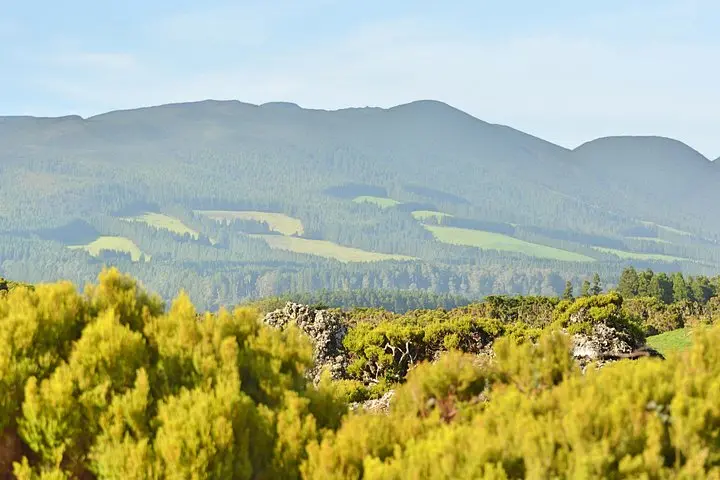
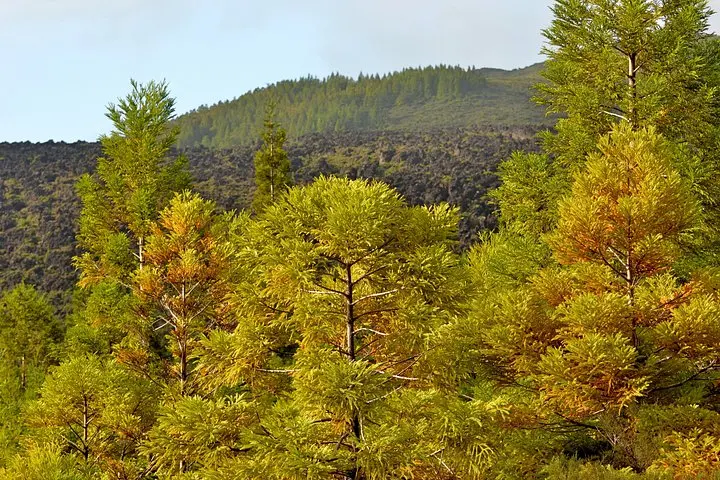
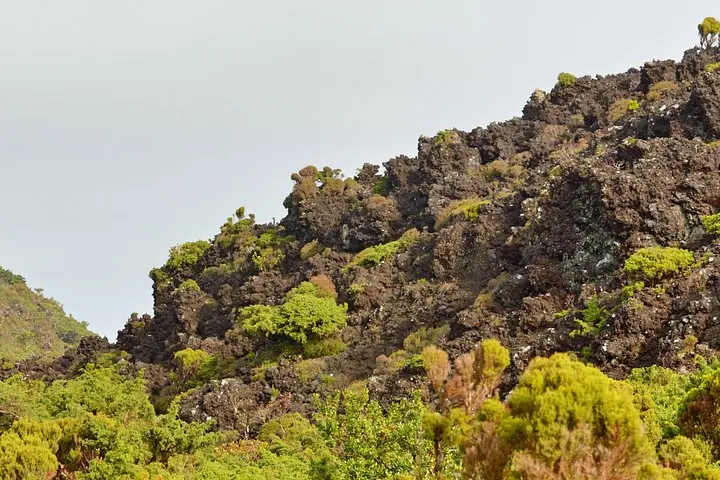
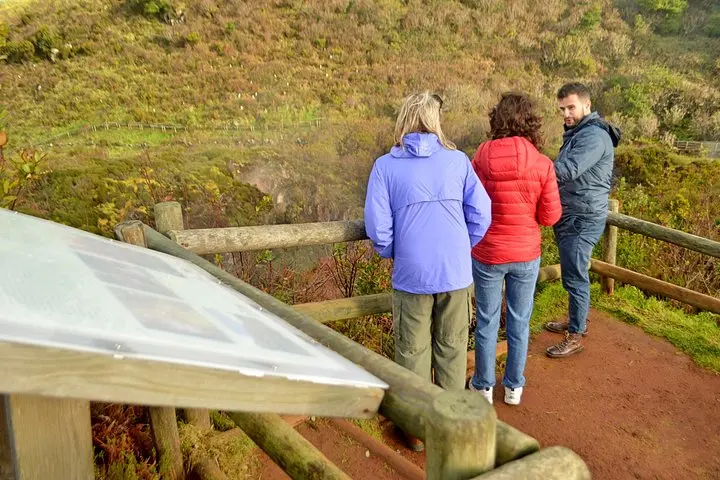
A low, cool wind rolls across black scoria and moss where the Mistérios Negros Trail cuts through the island’s volcanic center. The path threads between recent basalt flows and stands of native laurel and juniper, offering sudden clearings with views down toward the Atlantic and up to the shadowed rims of nearby cones.
A low, cool wind rolls across black scoria and moss where the Mistérios Negros Trail cuts through the island’s volcanic center. The path threads between recent basalt flows and stands of native laurel and juniper, offering sudden clearings with views down toward the Atlantic and up to the shadowed rims of nearby cones.
Geology here is immediate: you’ll walk over fresh volcanic deposits from Holocene eruptions, later colonized by endemic Azorean flora now protected inside the island’s natural reserve. The route is small-scale but intense — roughly 5.8 km round‑trip on uneven, rocky ground with exposed roots and loose scoria; guided groups typically take 2–3 hours on the walking sections but the scheduled half‑day includes transport and stops.
Locally, Terceira’s human history — from volcanic hazard management to pastoral land use — is visible in the fenced fields and old stone walls that border parts of the trail. Guides often point out native plants used historically for fuel and fencing and explain the reserve’s role in preserving rare species.
Practical guidance: approach this as a challenging hike. Sturdy boots with ankle support, layered clothing, and a waterproof shell matter more here than fashion. Bring 1–1.5 liters of water, snacks, and a small first‑aid kit. Aim for morning starts to avoid afternoon showers and to get softer light on the basalt textures. The trail is best with a local guide familiar with the reserve routes and weather windows — rain can make scoria slippery and wind can be stiff on exposed ridges.