THE ADVENTURE COLLECTIVE® · Independent discovery and booking for outdoor travel

Combine a hands-on visit to the Equator Line complex with a three-hour horseback loop inside Pululahua’s cultivated caldera. Expect cloud-forest views, terraced farms and uncomplicated riding amid dramatic volcanic geology.
Combine a hands-on visit to the Equator Line complex with a three-hour horseback loop inside Pululahua’s cultivated caldera. Expect cloud-forest views, terraced farms and uncomplicated riding amid dramatic volcanic geology.
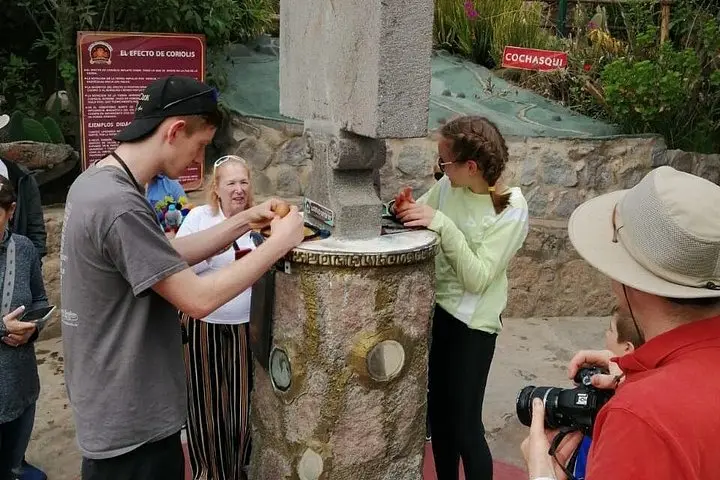
You step from the private vehicle onto cool highland air at the Equator Line complex, where the museum’s exhibits make latitude feel like a physical law to test with your own hands.
Verified experiences and guided adventures in the surrounding area.
Operated by Latin Adventures Cía Ltda · Quito, Pichincha
You step from the private vehicle onto cool highland air at the Equator Line complex, where the museum’s exhibits make latitude feel like a physical law to test with your own hands.
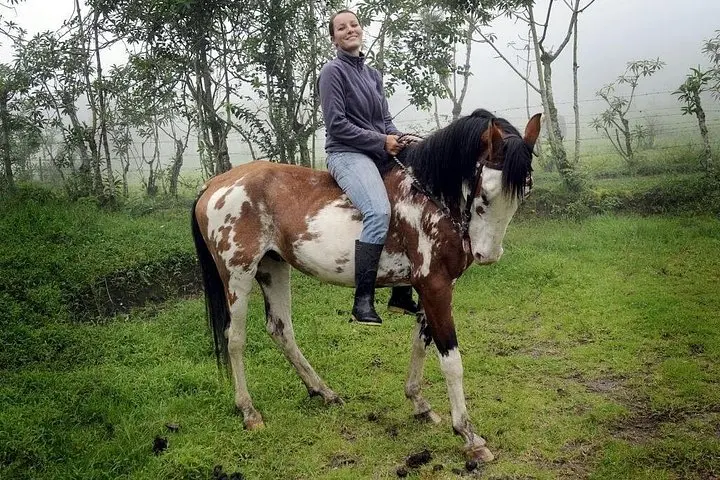
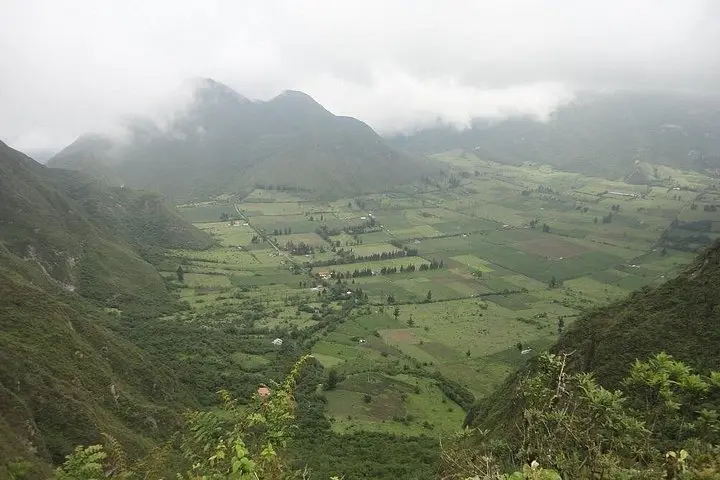
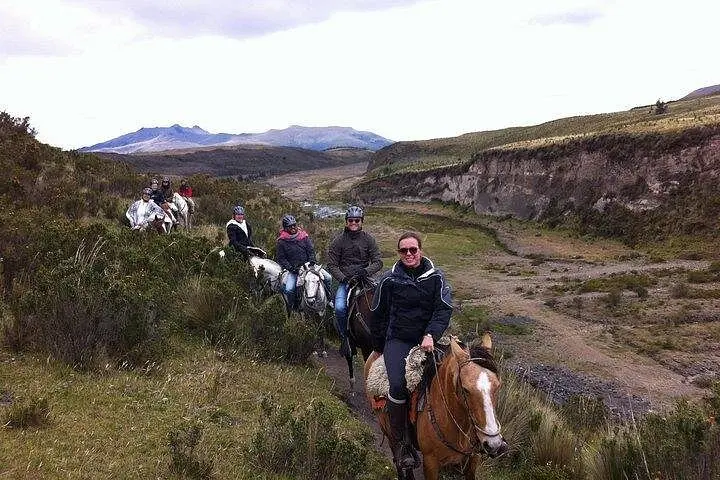
Later the road drops into Pululahua’s vast green bowl — a 34 km² caldera whose central lava dome rises roughly 500 meters above the crater floor. The three-hour horseback loop circles that dome through cloud-forest edges, terraced fields and mineral-rich slopes where wild orchids cling to damp rock. The trees breathe mist against your face; the horse sets a steady rhythm and the crater floor seems to hold generations of Andean farming beneath its green carpet.
Pululahua is one of the few inhabited calderas on Earth; archaeologists believe people have worked these soils since pre-Inca times. Geologically, the volcano’s last major eruptive phase was millennia ago, leaving nutrient-dense ash that now feeds small-scale agriculture and wildflower meadows.
Expect straightforward riding on mostly gentle trails, punctuated by short climbs and viewpoints. The Mitad del Mundo museum offers hands-on explanations of equatorial science, while local vendors sell cheese, panela and roasted corn near the site.
Practical notes: altitude matters — Quito sits near 2,850 m — so move deliberately, hydrate and let your body acclimate before long walks. Wear layered, waterproof clothing; mornings are often clear but clouds can sweep into the crater quickly. Bring cash for small purchases and tip guides if service is good. This combined day tour is relaxed but rich in geology, culture and horseback time — a compact way to feel Ecuador’s highland contrasts.
The ride is moderate: three hours at a steady pace with occasional short climbs; no advanced riding skills are required but basic balance helps.
Yes—the Inti Ñan museum and the monument at Mitad del Mundo provide interactive exhibits that let visitors test equatorial phenomena and stand at the marked line.
The museum and roadside equator exhibits are family-friendly; non-riders can often join the group on foot or remain at viewpoints while others ride—confirm options when booking.
Travel insurance is recommended; the tour advises against participation for pregnant travelers and those with serious spinal injuries—disclose health concerns when booking.
Latin Adventures Cía Ltda operates guided outdoor trips and adventures with an emphasis on safety, stewardship, and memorable experiences.
You step from the private vehicle onto cool highland air at the Equator Line complex, where the museum’s exhibits make latitude feel like a physical law to test with your own hands.
You step from the private vehicle onto cool highland air at the Equator Line complex, where the museum’s exhibits make latitude feel like a physical law to test with your own hands.
Later the road drops into Pululahua’s vast green bowl — a 34 km² caldera whose central lava dome rises roughly 500 meters above the crater floor. The three-hour horseback loop circles that dome through cloud-forest edges, terraced fields and mineral-rich slopes where wild orchids cling to damp rock. The trees breathe mist against your face; the horse sets a steady rhythm and the crater floor seems to hold generations of Andean farming beneath its green carpet.
Pululahua is one of the few inhabited calderas on Earth; archaeologists believe people have worked these soils since pre-Inca times. Geologically, the volcano’s last major eruptive phase was millennia ago, leaving nutrient-dense ash that now feeds small-scale agriculture and wildflower meadows.
Expect straightforward riding on mostly gentle trails, punctuated by short climbs and viewpoints. The Mitad del Mundo museum offers hands-on explanations of equatorial science, while local vendors sell cheese, panela and roasted corn near the site.
Practical notes: altitude matters — Quito sits near 2,850 m — so move deliberately, hydrate and let your body acclimate before long walks. Wear layered, waterproof clothing; mornings are often clear but clouds can sweep into the crater quickly. Bring cash for small purchases and tip guides if service is good. This combined day tour is relaxed but rich in geology, culture and horseback time — a compact way to feel Ecuador’s highland contrasts.