THE ADVENTURE COLLECTIVE® · Independent discovery and booking for outdoor travel

A guided 90-minute walk to Mitaki-ji takes you through cedar-shaded stone steps to three sacred waterfalls, a vermilion pagoda, and a cliffside main hall. Ideal for travelers seeking a short, contemplative nature-and-culture stop near Hiroshima.
A guided 90-minute walk to Mitaki-ji takes you through cedar-shaded stone steps to three sacred waterfalls, a vermilion pagoda, and a cliffside main hall. Ideal for travelers seeking a short, contemplative nature-and-culture stop near Hiroshima.
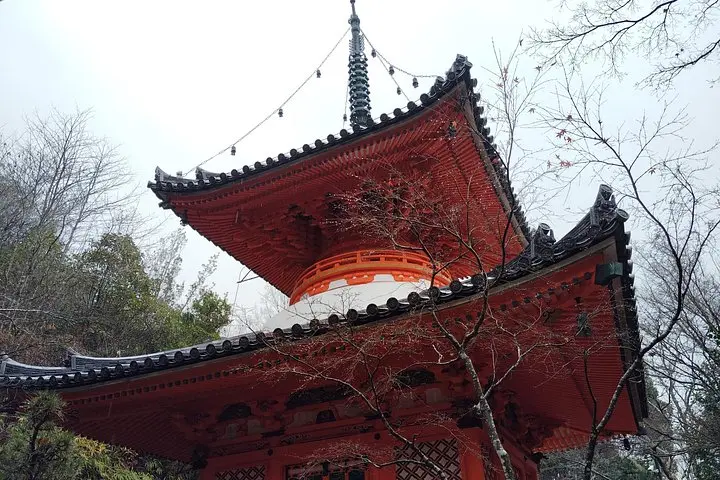
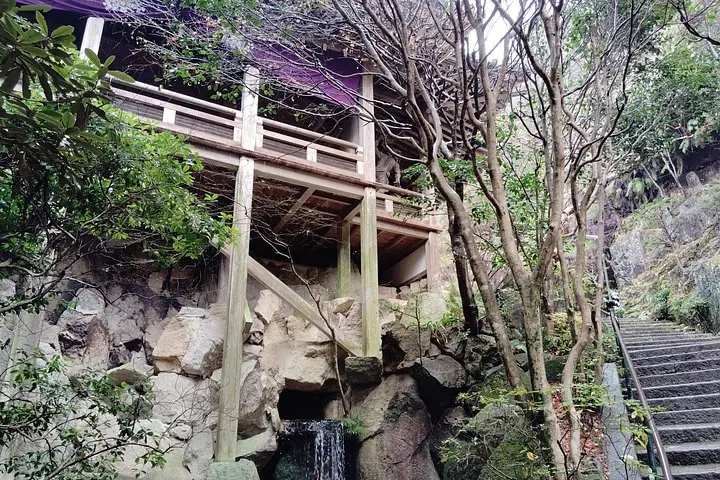
Fog presses low in the ravine as visitors climb the moss-dark steps toward Mitaki-ji, the mountain temple northwest of Hiroshima. The path threads through cedars and stone Jizō, then opens onto three waterfalls that cut a cold, bright line through the forest. A vermilion pagoda leans into the slope and the main hall projects from the cliff—places that ask you to slow and listen.
Verified experiences and guided adventures in the surrounding area.
Operated by DeepExperience · Hiroshima, Hiroshima Prefecture
Fog presses low in the ravine as visitors climb the moss-dark steps toward Mitaki-ji, the mountain temple northwest of Hiroshima. The path threads through cedars and stone Jizō, then opens onto three waterfalls that cut a cold, bright line through the forest. A vermilion pagoda leans into the slope and the main hall projects from the cliff—places that ask you to slow and listen.
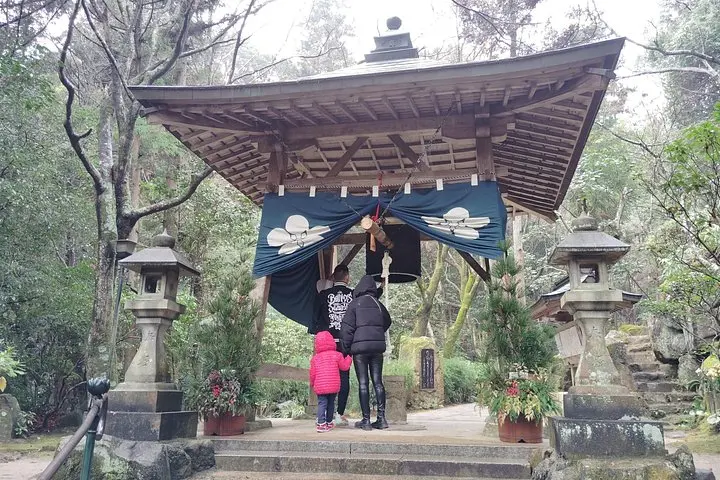
Mitaki-ji is an established Buddhist site whose stone lanterns and small shrines reflect centuries of local devotion. The falls themselves have been treated as sacred water since premodern times and, after 1945, the temple became a quiet place of remembrance when locals gathered and lit lanterns for the dead.
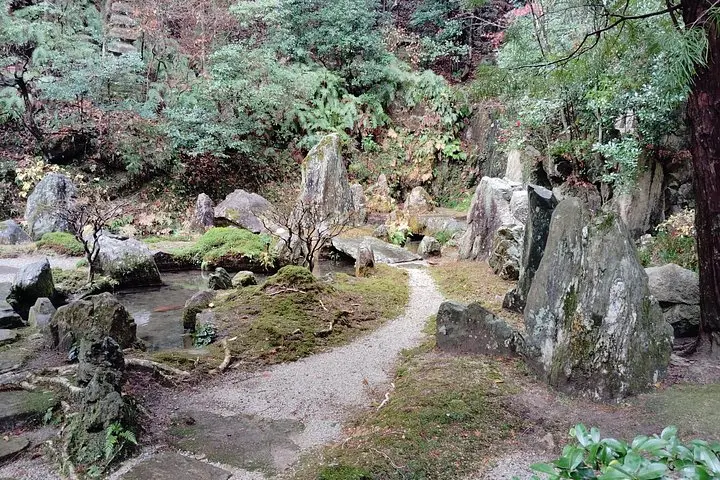
Geologically, the site sits in a shallow ravine carved by tributaries flowing toward the Ōta River plain; you'll notice layered rock outcrops and a temperate evergreen understory that favors moss and ferns. Culturally, the temple blends Shingon Buddhist rites with popular folk practices—small offerings, incense, and the steady ring of temple bells mark the visit.
Practical note: this is a short, mostly uphill walk with stone steps and uneven ground—expect 60–90 minutes on-site. Wear grippy shoes, bring a light rain layer, and give yourself time to pause at the waterfall viewpoints. Public transport serves the area, but the final approach includes forest steps that are unsuitable for wheelchairs or travelers with serious back problems. Guides provide context and point out memorial lanterns, the pagoda’s lacquered details, and seasonal foliage—plan for a calm, contemplative outing rather than a strenuous hike.
The tour is approximately 90 minutes on-site, including walking the shrine grounds and stopping at the waterfall viewpoints.
Yes—Mitaki area is served by local trains and buses to the trailhead; the final approach includes steps from the station or bus stop.
The itinerary shows admission included for the temple visit; confirm details on booking materials for any seasonal restrictions.
No—there are steep, uneven stone steps and cliffside paths; it’s not recommended for wheelchairs or travelers with serious back problems.
DeepExperience operates guided outdoor trips and adventures with an emphasis on safety, stewardship, and memorable experiences.
Fog presses low in the ravine as visitors climb the moss-dark steps toward Mitaki-ji, the mountain temple northwest of Hiroshima. The path threads through cedars and stone Jizō, then opens onto three waterfalls that cut a cold, bright line through the forest. A vermilion pagoda leans into the slope and the main hall projects from the cliff—places that ask you to slow and listen.
Fog presses low in the ravine as visitors climb the moss-dark steps toward Mitaki-ji, the mountain temple northwest of Hiroshima. The path threads through cedars and stone Jizō, then opens onto three waterfalls that cut a cold, bright line through the forest. A vermilion pagoda leans into the slope and the main hall projects from the cliff—places that ask you to slow and listen.
Mitaki-ji is an established Buddhist site whose stone lanterns and small shrines reflect centuries of local devotion. The falls themselves have been treated as sacred water since premodern times and, after 1945, the temple became a quiet place of remembrance when locals gathered and lit lanterns for the dead.
Geologically, the site sits in a shallow ravine carved by tributaries flowing toward the Ōta River plain; you'll notice layered rock outcrops and a temperate evergreen understory that favors moss and ferns. Culturally, the temple blends Shingon Buddhist rites with popular folk practices—small offerings, incense, and the steady ring of temple bells mark the visit.
Practical note: this is a short, mostly uphill walk with stone steps and uneven ground—expect 60–90 minutes on-site. Wear grippy shoes, bring a light rain layer, and give yourself time to pause at the waterfall viewpoints. Public transport serves the area, but the final approach includes forest steps that are unsuitable for wheelchairs or travelers with serious back problems. Guides provide context and point out memorial lanterns, the pagoda’s lacquered details, and seasonal foliage—plan for a calm, contemplative outing rather than a strenuous hike.