THE ADVENTURE COLLECTIVE® · Independent discovery and booking for outdoor travel

Spend a day on the Miura Peninsula harvesting vegetables, selecting Misaki tuna at a local market, and enjoying a grilled seafood barbecue—all about an hour from Tokyo. This five-hour private excursion blends hands-on sustainable farming with fresh coastal flavors.
Spend a day on the Miura Peninsula harvesting vegetables, selecting Misaki tuna at a local market, and enjoying a grilled seafood barbecue—all about an hour from Tokyo. This five-hour private excursion blends hands-on sustainable farming with fresh coastal flavors.
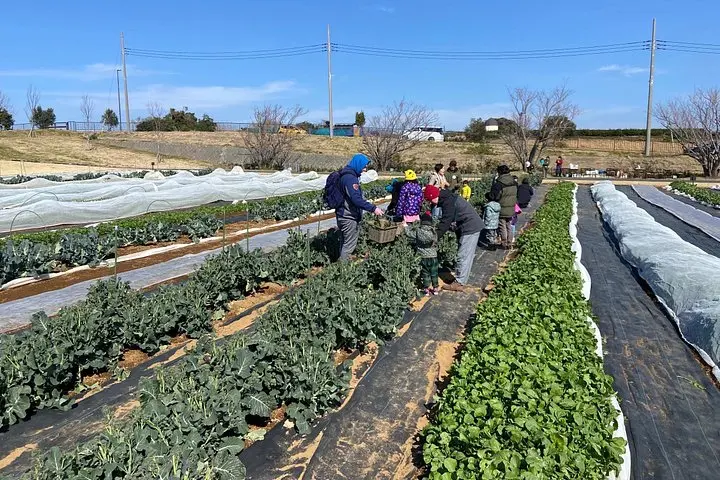
You arrive on the Miura Peninsula with the sea already speaking — gulls circling, salt on the air, and a ribbon of road that slips past fields toward Soleil Hill. The morning opens at Nagai Umite Park where rows of green promise hands-on work: small beds of seasonal vegetables, soil that has been coaxed by sustainable practice rather than heavy machinery.
Verified experiences and guided adventures in the surrounding area.
Operated by Ryo · Miura, Kanagawa Prefecture
You arrive on the Miura Peninsula with the sea already speaking — gulls circling, salt on the air, and a ribbon of road that slips past fields toward Soleil Hill. The morning opens at Nagai Umite Park where rows of green promise hands-on work: small beds of seasonal vegetables, soil that has been coaxed by sustainable practice rather than heavy machinery.
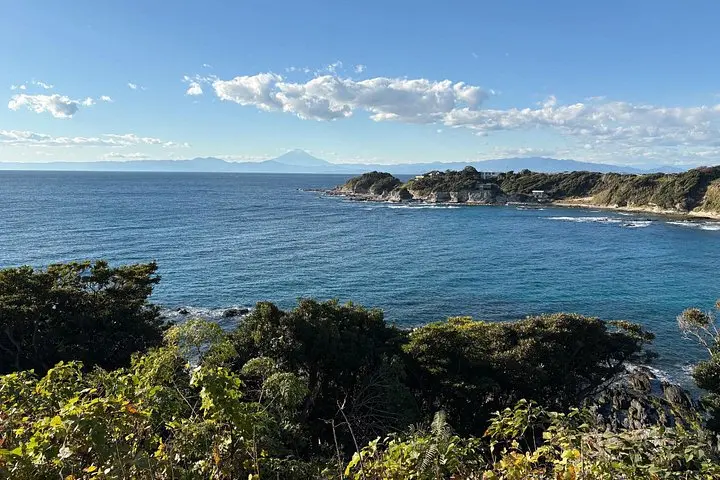
The peninsula has long been a working coast. Misaki’s tuna boats and small family farms have supplied Tokyo for generations, and that working history shapes this excursion: a straightforward mix of agricultural education and coastal food culture. Geologically the peninsula is a low, rocky promontory carved by waves and tectonics; you’ll notice the abrupt coastal cliffs and sheltered coves that keep a thriving nearshore fishery.
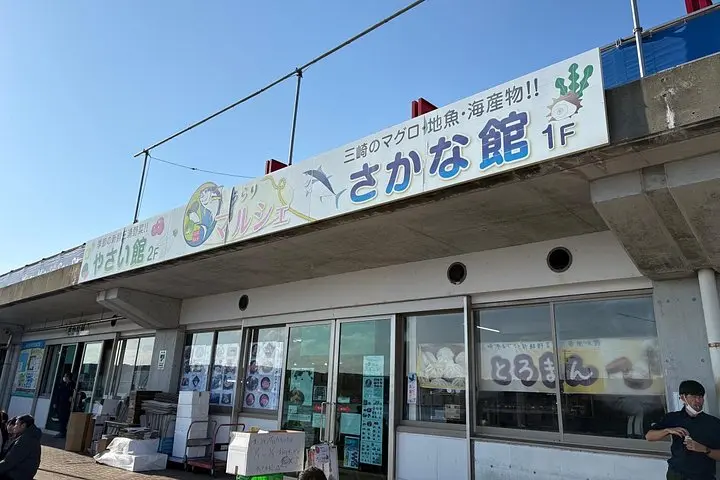
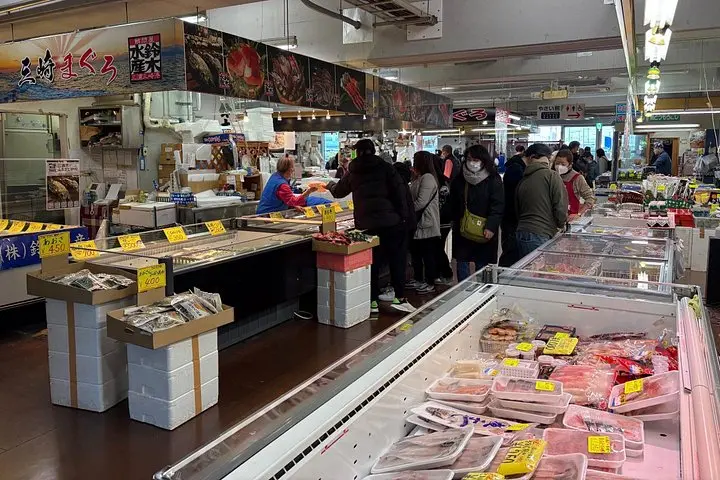
Culture here is literal — food, craft, and respectful rhythms tied to harvest and tide. At Sithekobe Sustainable Farm guides explain eco-friendly growing methods and the program’s links to Sustainable Development Goals, then you head to Urari Marche to choose fresh Misaki tuna and other seafood.
Practical guidance: plan for about five hours total, expect light walking across fields and market aisles, and bring a small cooler if you want to transport extra purchases. Mornings are best for harvest variety and the freshest market selection; warm layers and sun protection keep the day comfortable. The barbecue is communal and hands-on; let operators know dietary restrictions in advance. This is an accessible, low-effort coastal day that pairs active learning with the simple reward of fire-cooked seafood.
The tour runs about five hours from pickup to return, with roughly an hour at the farm and two hours at the market and barbecue site.
Yes — the experience lists a transportation fee among inclusions and is a private tour with transit between stops.
Yes; the activity notes stroller accessibility and family-friendly harvest tasks, but check age and mobility limits when booking.
Vegetable harvesting is part of the program and guides can often arrange non-seafood barbecue dishes if you notify them ahead of time.
Ryo operates guided outdoor trips and adventures with an emphasis on safety, stewardship, and memorable experiences.
You arrive on the Miura Peninsula with the sea already speaking — gulls circling, salt on the air, and a ribbon of road that slips past fields toward Soleil Hill. The morning opens at Nagai Umite Park where rows of green promise hands-on work: small beds of seasonal vegetables, soil that has been coaxed by sustainable practice rather than heavy machinery.
You arrive on the Miura Peninsula with the sea already speaking — gulls circling, salt on the air, and a ribbon of road that slips past fields toward Soleil Hill. The morning opens at Nagai Umite Park where rows of green promise hands-on work: small beds of seasonal vegetables, soil that has been coaxed by sustainable practice rather than heavy machinery.
The peninsula has long been a working coast. Misaki’s tuna boats and small family farms have supplied Tokyo for generations, and that working history shapes this excursion: a straightforward mix of agricultural education and coastal food culture. Geologically the peninsula is a low, rocky promontory carved by waves and tectonics; you’ll notice the abrupt coastal cliffs and sheltered coves that keep a thriving nearshore fishery.
Culture here is literal — food, craft, and respectful rhythms tied to harvest and tide. At Sithekobe Sustainable Farm guides explain eco-friendly growing methods and the program’s links to Sustainable Development Goals, then you head to Urari Marche to choose fresh Misaki tuna and other seafood.
Practical guidance: plan for about five hours total, expect light walking across fields and market aisles, and bring a small cooler if you want to transport extra purchases. Mornings are best for harvest variety and the freshest market selection; warm layers and sun protection keep the day comfortable. The barbecue is communal and hands-on; let operators know dietary restrictions in advance. This is an accessible, low-effort coastal day that pairs active learning with the simple reward of fire-cooked seafood.