THE ADVENTURE COLLECTIVE® · Independent discovery and booking for outdoor travel

Explore the eastern tip of the Miura Peninsula on a private three‑hour walk that connects shrine myths, coastal geology and Yokosuka’s seafaring past. Expect shoreline bluffs, evergreen slopes and short historic stops with a local guide.
Explore the eastern tip of the Miura Peninsula on a private three‑hour walk that connects shrine myths, coastal geology and Yokosuka’s seafaring past. Expect shoreline bluffs, evergreen slopes and short historic stops with a local guide.
The path opens with wind and salt on your face as you step from a quiet lane onto the coast at Kannonzaki — waves daring you to look further out into Tokyo Bay while evergreen slopes press close behind. This three‑hour private walk threads shrine courtyards, shoreline bluffs and old military works, offering short, concentrated encounters with a place where sea and history collide.
Verified experiences and guided adventures in the surrounding area.
Operated by Let's enjoy MIURA Peninsula! · Yokosuka, Kanagawa
The path opens with wind and salt on your face as you step from a quiet lane onto the coast at Kannonzaki — waves daring you to look further out into Tokyo Bay while evergreen slopes press close behind. This three‑hour private walk threads shrine courtyards, shoreline bluffs and old military works, offering short, concentrated encounters with a place where sea and history collide.
Miura’s story is visible in its stones and streets: Hashirimizu Shrine preserves eighth‑century myths; the Suikinkutsu’s dripping notes still calm visitors at its approach; Kannonzaki Park keeps stretches of near‑pristine evergreen forest that survived as restricted military lands into the 20th century. Geologically the eastern peninsula reads as layered coast — rocky headlands, tidal coves and compacted terraces that funnel currents through the Uraga Channel and once guided wooden junks and foreign warships alike.
Culturally, Yokosuka’s shipyards and foreign contacts left a patchwork of technologies and tastes, and local markets still focus on tuna and coastal harvests. On the walk expect mixed surfaces — paved lanes, compact dirt and short stair sections — and close views of seabirds and shoreline flora.
Practical notes: the tour is private and covers about three hours on mostly easy, steady terrain but requires moderate fitness for repeated stops and some inclines. Wear sturdy walking shoes, bring water, a light rain layer and cash for small shrine offerings or snacks. Observe shrine etiquette (quiet, bow, wash hands) and leave no trace: these narrow paths and coastal ecosystems are fragile but will repay careful attention with clear views and vivid local stories.
Meeting is typically arranged in central Yokosuka with clear directions to the specific trailhead or park entrance selected for the day's route.
Families with older, active children can enjoy the walk; very young children or strollers are not recommended due to stairs and uneven surfaces.
The tour involves steps and uneven paths and is not suitable for those with serious mobility limitations; contact the operator to discuss specific needs.
The operator markets an English‑speaking local guide; confirm language support at booking for any additional interpretation needs.
Let's enjoy MIURA Peninsula! operates guided outdoor trips and adventures with an emphasis on safety, stewardship, and memorable experiences.
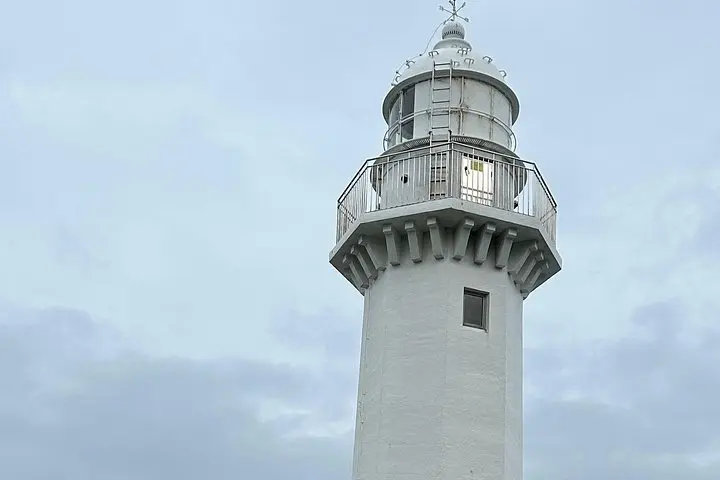
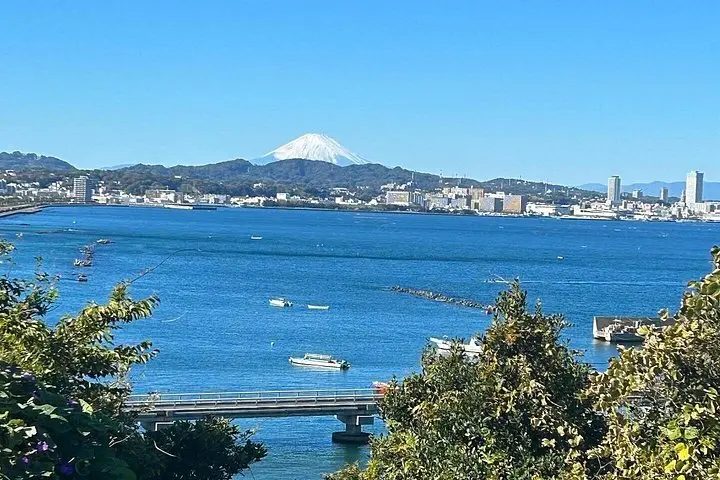
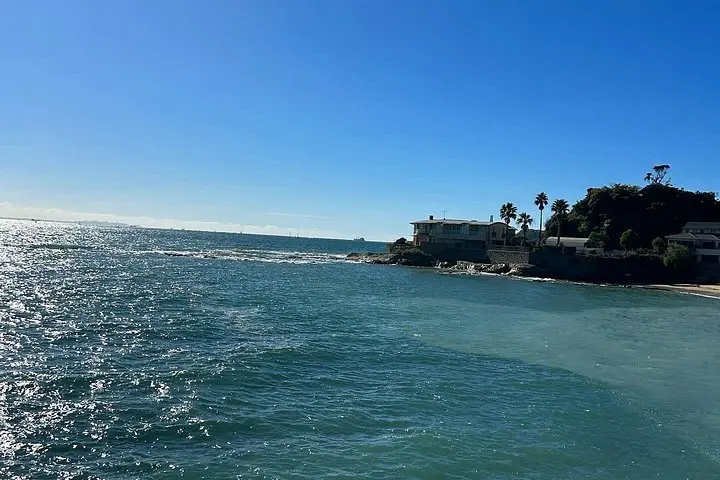
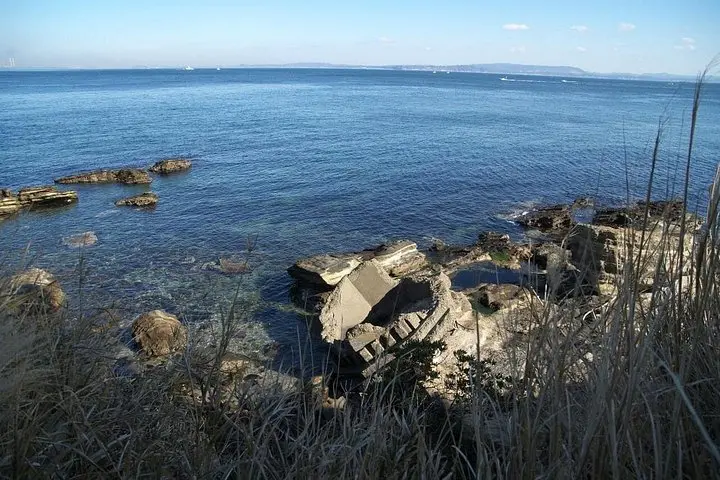
The path opens with wind and salt on your face as you step from a quiet lane onto the coast at Kannonzaki — waves daring you to look further out into Tokyo Bay while evergreen slopes press close behind. This three‑hour private walk threads shrine courtyards, shoreline bluffs and old military works, offering short, concentrated encounters with a place where sea and history collide.
The path opens with wind and salt on your face as you step from a quiet lane onto the coast at Kannonzaki — waves daring you to look further out into Tokyo Bay while evergreen slopes press close behind. This three‑hour private walk threads shrine courtyards, shoreline bluffs and old military works, offering short, concentrated encounters with a place where sea and history collide.
Miura’s story is visible in its stones and streets: Hashirimizu Shrine preserves eighth‑century myths; the Suikinkutsu’s dripping notes still calm visitors at its approach; Kannonzaki Park keeps stretches of near‑pristine evergreen forest that survived as restricted military lands into the 20th century. Geologically the eastern peninsula reads as layered coast — rocky headlands, tidal coves and compacted terraces that funnel currents through the Uraga Channel and once guided wooden junks and foreign warships alike.
Culturally, Yokosuka’s shipyards and foreign contacts left a patchwork of technologies and tastes, and local markets still focus on tuna and coastal harvests. On the walk expect mixed surfaces — paved lanes, compact dirt and short stair sections — and close views of seabirds and shoreline flora.
Practical notes: the tour is private and covers about three hours on mostly easy, steady terrain but requires moderate fitness for repeated stops and some inclines. Wear sturdy walking shoes, bring water, a light rain layer and cash for small shrine offerings or snacks. Observe shrine etiquette (quiet, bow, wash hands) and leave no trace: these narrow paths and coastal ecosystems are fragile but will repay careful attention with clear views and vivid local stories.