THE ADVENTURE COLLECTIVE® · Independent discovery and booking for outdoor travel
Walk five-arched wooden spans, ride a ropeway to a hilltop castle, then ferry to an island shrine that appears to float at high tide. This full-day trip from Hiroshima pairs Iwakuni’s engineering history with Miyajima’s sacred shoreline.
Walk five-arched wooden spans, ride a ropeway to a hilltop castle, then ferry to an island shrine that appears to float at high tide. This full-day trip from Hiroshima pairs Iwakuni’s engineering history with Miyajima’s sacred shoreline.
You step off the train at Hiroshima Station before dawn, the city still yawning, and soon the world opens into two very different shores: Iwakuni’s wooden arches and Miyajima’s sea-sprung torii.
Verified experiences and guided adventures in the surrounding area.
Operated by Snow Monkey Resorts Tours (Machinovate Japan Ltd.) · Hatsukaichi, Hiroshima Prefecture
You step off the train at Hiroshima Station before dawn, the city still yawning, and soon the world opens into two very different shores: Iwakuni’s wooden arches and Miyajima’s sea-sprung torii.
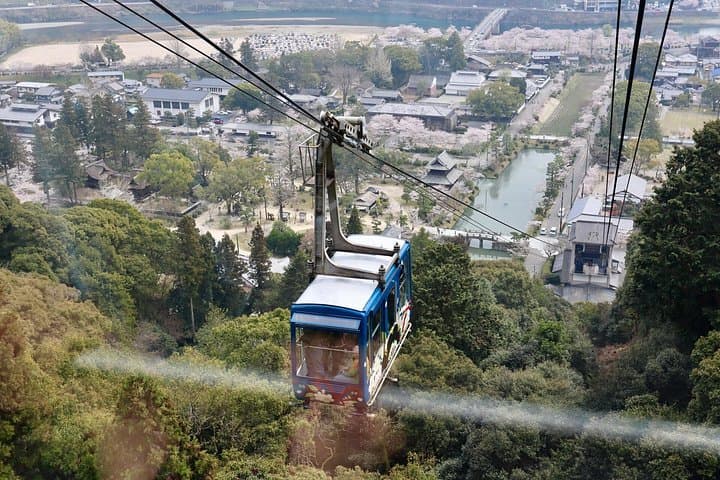
Kintaikyo Bridge greets you with five elegant wooden spans—a 17th-century design rebuilt after floods—whose engineering speaks to Edo-period craftsmanship and the Kikkawa clan’s legacy. The river beneath nudges at the piers, sometimes exposing the bridge’s underside at low tide so you can inspect its joinery. A short ropeway climb to Iwakuni Castle then reorients the view: tiled roofs, cedar copses, and the slow geometry of the city below.
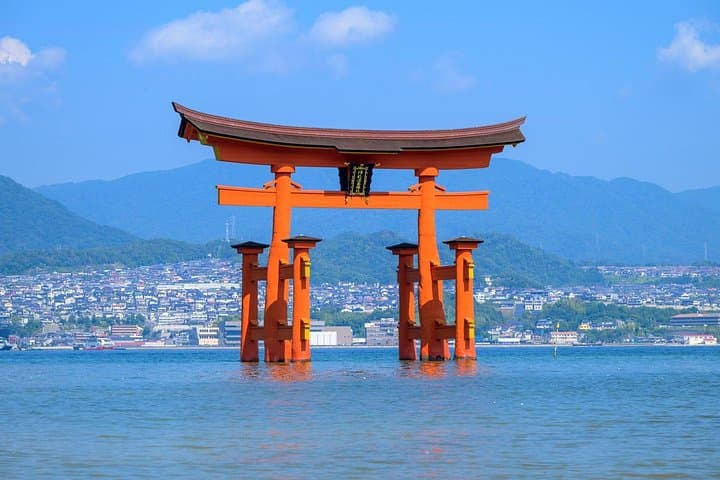
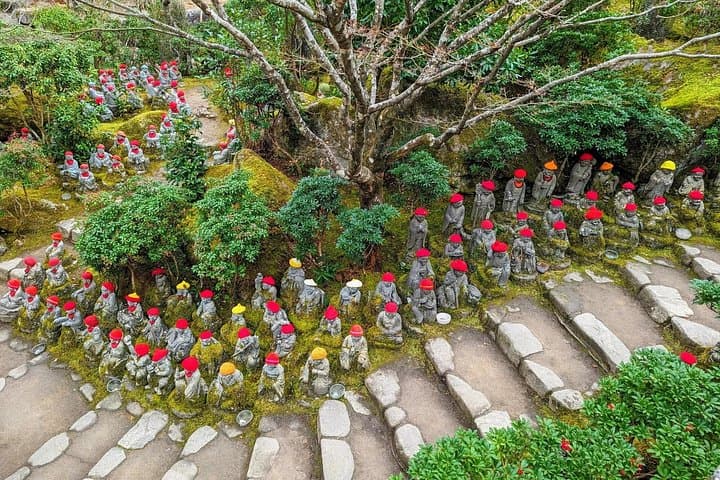
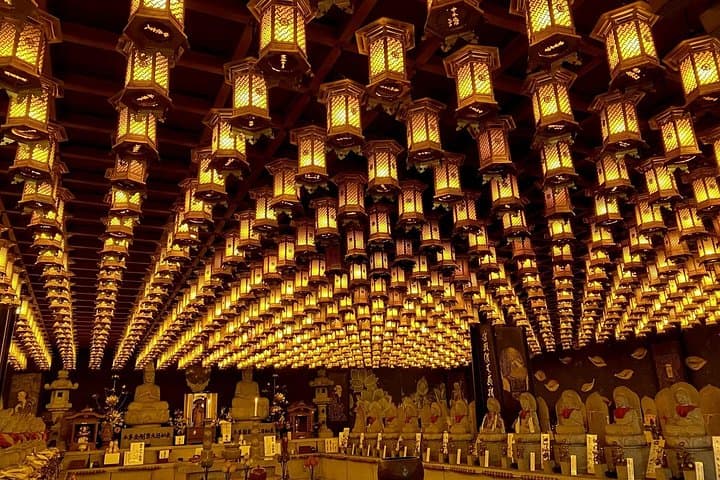
The ferry to Miyajima feels cinematic. The Seto Inland Sea widens and the O-torii appears to float or stand depending on the tide; the shrine complex is an enduring example of Shinto’s water-facing architecture. Walk Omotesando’s snack shops, visit Senjokaku’s open pavilion, and explore Daisho-in’s quieter halls where lantern light gives bronze statues a human hush.
Practical guide: this is a full-day itinerary (about 8–9 hours) with moderate walking on paved and stepped surfaces; no technical skills required. Check tide tables if you want to walk to the torii, and plan footwear for wet stones and shrine steps. Carry water, yen cash for small shops, and a light rain layer—weather on the Inland Sea can shift quickly. Guides typically handle ropeway, ferry, and entry tickets; ask them about evening return trains from Hiroshima. With clear planning, the day balances cultural depth, scenic viewpoints, and easy outdoor movement—Japan’s landscapes asking you to look closer.
Possibly — it depends on the tide. Low tide allows a walk out to the gate; guides can plan the visit around tide windows when feasible.
Yes. The tour is rated easy with mainly short walks and public transport; however, there are stairs at shrines and castle areas, so mobility considerations apply.
Lunch is typically on your own during free time on Omotesando Street; guide recommendations and options are provided but food is not included.
The itinerary uses public trains, a ropeway, and a short ferry to Miyajima—tickets are usually included in the tour package.
Snow Monkey Resorts Tours (Machinovate Japan Ltd.) operates guided outdoor trips and adventures with an emphasis on safety, stewardship, and memorable experiences.
You step off the train at Hiroshima Station before dawn, the city still yawning, and soon the world opens into two very different shores: Iwakuni’s wooden arches and Miyajima’s sea-sprung torii.
You step off the train at Hiroshima Station before dawn, the city still yawning, and soon the world opens into two very different shores: Iwakuni’s wooden arches and Miyajima’s sea-sprung torii.
Kintaikyo Bridge greets you with five elegant wooden spans—a 17th-century design rebuilt after floods—whose engineering speaks to Edo-period craftsmanship and the Kikkawa clan’s legacy. The river beneath nudges at the piers, sometimes exposing the bridge’s underside at low tide so you can inspect its joinery. A short ropeway climb to Iwakuni Castle then reorients the view: tiled roofs, cedar copses, and the slow geometry of the city below.
The ferry to Miyajima feels cinematic. The Seto Inland Sea widens and the O-torii appears to float or stand depending on the tide; the shrine complex is an enduring example of Shinto’s water-facing architecture. Walk Omotesando’s snack shops, visit Senjokaku’s open pavilion, and explore Daisho-in’s quieter halls where lantern light gives bronze statues a human hush.
Practical guide: this is a full-day itinerary (about 8–9 hours) with moderate walking on paved and stepped surfaces; no technical skills required. Check tide tables if you want to walk to the torii, and plan footwear for wet stones and shrine steps. Carry water, yen cash for small shops, and a light rain layer—weather on the Inland Sea can shift quickly. Guides typically handle ropeway, ferry, and entry tickets; ask them about evening return trains from Hiroshima. With clear planning, the day balances cultural depth, scenic viewpoints, and easy outdoor movement—Japan’s landscapes asking you to look closer.
