THE ADVENTURE COLLECTIVE® · Independent discovery and booking for outdoor travel

A compact cultural adventure on Miyajima that pairs a guided walk through historic streets and shrine grounds with an intimate solo music and dance performance by Madam Sen. Expect coastal views, shrine architecture, tea and sweets, and practical local guidance.
A compact cultural adventure on Miyajima that pairs a guided walk through historic streets and shrine grounds with an intimate solo music and dance performance by Madam Sen. Expect coastal views, shrine architecture, tea and sweets, and practical local guidance.
You step off the JR ferry and the sea breathes against the pier—salt-slick air, gulls calling, and the Torii already framing the horizon like a doorway to another rhythm. The guide moves with quiet authority, steering the small group through Omotesando’s shop-lined street toward the shrine built on stilts above the tide.
Verified experiences and guided adventures in the surrounding area.
Operated by Geisha Opera Singer · Hatsukaichi, Hiroshima Prefecture
You step off the JR ferry and the sea breathes against the pier—salt-slick air, gulls calling, and the Torii already framing the horizon like a doorway to another rhythm. The guide moves with quiet authority, steering the small group through Omotesando’s shop-lined street toward the shrine built on stilts above the tide.
Miyajima (Itsukushima) has been treated as sacred since at least the Heian era; Itsukushima Shrine’s raised corridors, the O-Torii, and the nearby Five-Storied Pagoda map a cultural coastline where architecture resists the pull of the sea. Geologically the island is volcanic, its granite and basalt slopes giving rise to Mount Misen’s ferned trails and panoramic ridgelines. Local culture still folds music and ritual into daily life—here, performance is a continuation of place, not an add-on.
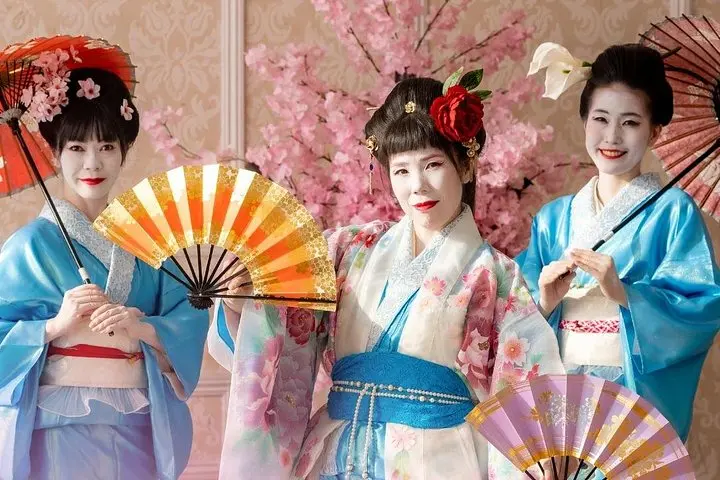
The experience pairs a focused walking tour—temples, Machiya Street’s older wood-fronts, and Senjokaku—with an intimate live set by Madam Sen: operatic arias and Nihon Buyo movement served with tea and Miyajima sweets. Expect flat, mostly paved walking with some steps, soft coastal winds that seem to press the sound forward, and close views of sika deer that patrol the streets.
Practical guidance: arrive early via the JR ferry to time the low and high tides around the O-Torii; wear comfortable shoes for cobbles and temple steps; carry small change and a light rain shell; and observe shrine etiquette—no loud photography during prayers. This is a short, sensory-rich blend of nature, history, and live art—designed for travelers who want culture delivered with the island’s weather as a partner.
Take the JR ferry from Miyajimaguchi (10 minutes). Meet at the Miyajima ferry terminal at 10:00; the JR ferry gives the best approach to view the Torii from the water.
The walk is rated easy with paved streets and short steps; wheelchair access is limited around some shrine areas—contact the operator for specific accommodations.
The itinerary is led in English (confirm at booking) and includes live Japanese music; check with the operator for multi-language support.
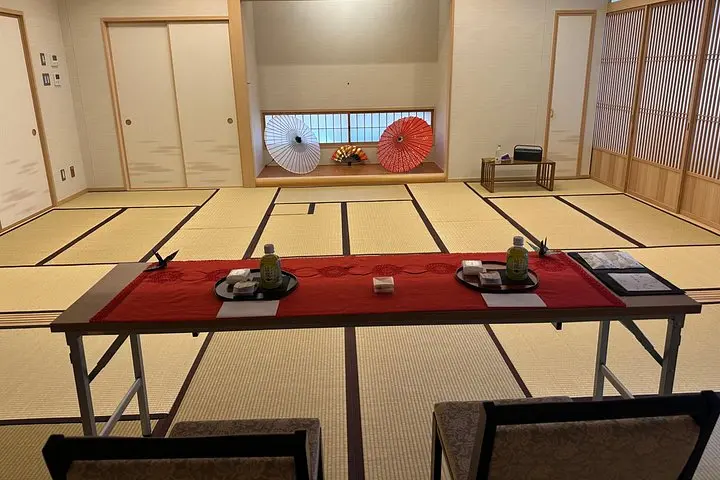
There is free time between the walk and performance to explore Omotesando shops and local eateries; small snacks are provided during the performance (tea and Miyajima sweets).
Geisha Opera Singer operates guided outdoor trips and adventures with an emphasis on safety, stewardship, and memorable experiences.

You step off the JR ferry and the sea breathes against the pier—salt-slick air, gulls calling, and the Torii already framing the horizon like a doorway to another rhythm. The guide moves with quiet authority, steering the small group through Omotesando’s shop-lined street toward the shrine built on stilts above the tide.
You step off the JR ferry and the sea breathes against the pier—salt-slick air, gulls calling, and the Torii already framing the horizon like a doorway to another rhythm. The guide moves with quiet authority, steering the small group through Omotesando’s shop-lined street toward the shrine built on stilts above the tide.
Miyajima (Itsukushima) has been treated as sacred since at least the Heian era; Itsukushima Shrine’s raised corridors, the O-Torii, and the nearby Five-Storied Pagoda map a cultural coastline where architecture resists the pull of the sea. Geologically the island is volcanic, its granite and basalt slopes giving rise to Mount Misen’s ferned trails and panoramic ridgelines. Local culture still folds music and ritual into daily life—here, performance is a continuation of place, not an add-on.
The experience pairs a focused walking tour—temples, Machiya Street’s older wood-fronts, and Senjokaku—with an intimate live set by Madam Sen: operatic arias and Nihon Buyo movement served with tea and Miyajima sweets. Expect flat, mostly paved walking with some steps, soft coastal winds that seem to press the sound forward, and close views of sika deer that patrol the streets.
Practical guidance: arrive early via the JR ferry to time the low and high tides around the O-Torii; wear comfortable shoes for cobbles and temple steps; carry small change and a light rain shell; and observe shrine etiquette—no loud photography during prayers. This is a short, sensory-rich blend of nature, history, and live art—designed for travelers who want culture delivered with the island’s weather as a partner.