THE ADVENTURE COLLECTIVE® · Independent discovery and booking for outdoor travel

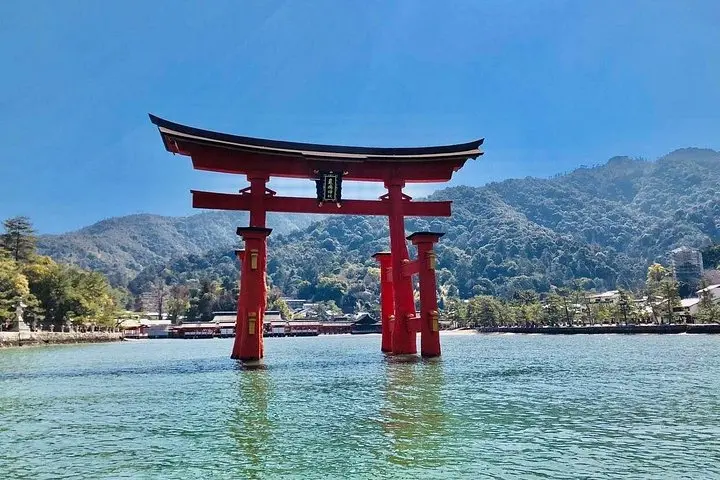
Glide across the Seto Inland Sea on a private cruise to worship at Miyajima’s seaside shrines and view Itsukushima’s towering torii from the water. This short, guided voyage pairs cultural ritual with coastal scenery and insights into oyster cultivation.
Glide across the Seto Inland Sea on a private cruise to worship at Miyajima’s seaside shrines and view Itsukushima’s towering torii from the water. This short, guided voyage pairs cultural ritual with coastal scenery and insights into oyster cultivation.
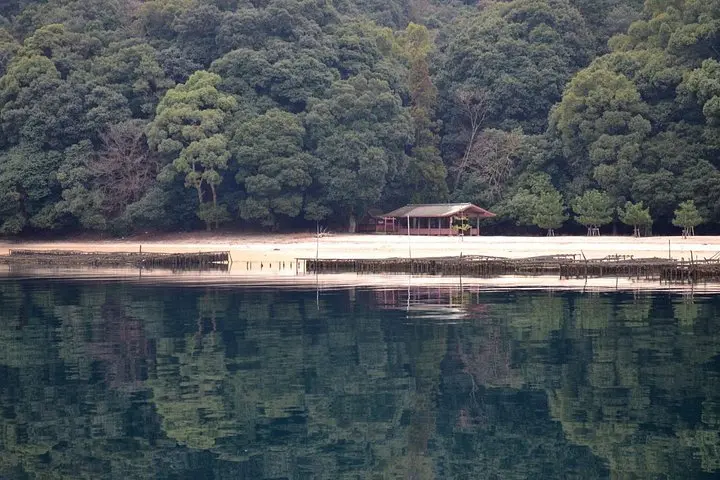
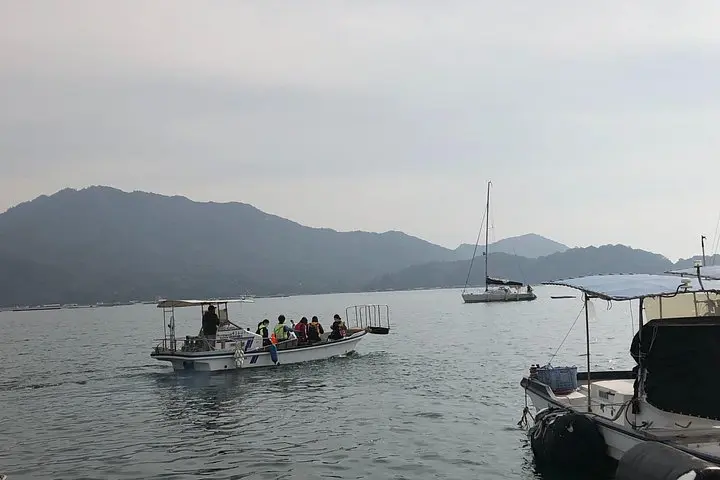
The boat slips away from Okushin Pier and the Seto Inland Sea opens like a quiet map — gentle chop, gulls circling, and the torii of Itsukushima rising in the distance when the tide allows. On this short private cruise you glide past oyster rafts and the low, wooded flank of Mt. Misen while the guide points out spots that have held ritual importance for centuries.
Verified experiences and guided adventures in the surrounding area.
Operated by Attractive JAPAN · Hatsukaichi, Hiroshima Prefecture
The boat slips away from Okushin Pier and the Seto Inland Sea opens like a quiet map — gentle chop, gulls circling, and the torii of Itsukushima rising in the distance when the tide allows. On this short private cruise you glide past oyster rafts and the low, wooded flank of Mt. Misen while the guide points out spots that have held ritual importance for centuries.
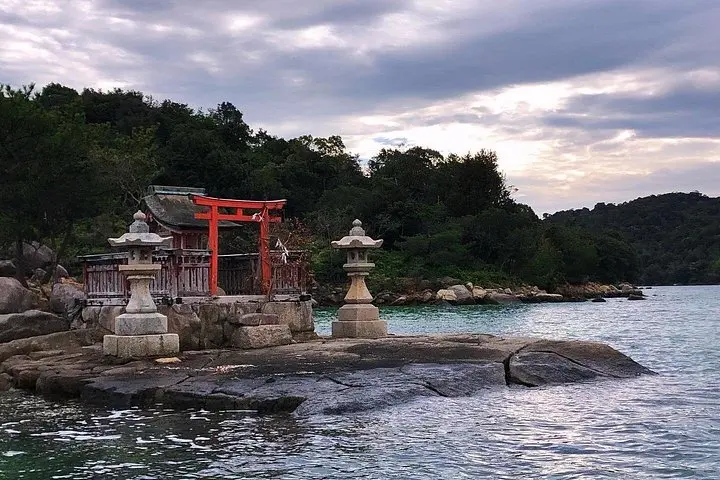
Itsukushima Shrine’s iconic 16‑meter torii dates to the Heian era and defines pilgrimage here; the island’s shores also preserve traces of Yayoi‑period settlements and small seaside shrines that mark local deity stops. The landscape is simple: shallow tidal flats give way to forested slopes of volcanic origin and steep rock outcrops — the latter forming the cracked crest at Mitoko Shrine that you’ll view from the water.
Culturally the route blends maritime livelihoods and Shinto practice — oyster cultivation patterns float on the sea like a living map, and quiet rituals such as the two bows, two claps, one bow are observed at landing points.
Practical details: choose tide windows for the best torii perspective, bring sun protection in summer and a windproof layer in cooler months, and use the restroom before departure (no facilities onboard). The cruise runs about 1–1.5 hours depending on route; it’s family‑friendly but not recommended for those with serious heart conditions. Expect calm, reflective waters, informative narration, and a modest conservation fee that supports mountain safety. Plan for boarding at Okushin Pier and a short walk or shuttle from JR Onoura Station.
Visibility depends on tides; low tide exposes the base and allows shoreline access while high tide shows the torii appearing to float—check local tide charts when booking.
No; there are no restroom facilities onboard. Use facilities at Okushin Pier or on Miyajima before boarding.
Children over 7 are allowed; infants must sit on laps. Service animals are permitted but check in advance for specific arrangements.
Operators monitor sea and weather conditions and will notify you by 3:00 PM the day before if cancellation is necessary; no refunds are issued for cancellations per policy, so confirm timing and insurance needs.
Attractive JAPAN operates guided outdoor trips and adventures with an emphasis on safety, stewardship, and memorable experiences.
The boat slips away from Okushin Pier and the Seto Inland Sea opens like a quiet map — gentle chop, gulls circling, and the torii of Itsukushima rising in the distance when the tide allows. On this short private cruise you glide past oyster rafts and the low, wooded flank of Mt. Misen while the guide points out spots that have held ritual importance for centuries.
The boat slips away from Okushin Pier and the Seto Inland Sea opens like a quiet map — gentle chop, gulls circling, and the torii of Itsukushima rising in the distance when the tide allows. On this short private cruise you glide past oyster rafts and the low, wooded flank of Mt. Misen while the guide points out spots that have held ritual importance for centuries.
Itsukushima Shrine’s iconic 16‑meter torii dates to the Heian era and defines pilgrimage here; the island’s shores also preserve traces of Yayoi‑period settlements and small seaside shrines that mark local deity stops. The landscape is simple: shallow tidal flats give way to forested slopes of volcanic origin and steep rock outcrops — the latter forming the cracked crest at Mitoko Shrine that you’ll view from the water.
Culturally the route blends maritime livelihoods and Shinto practice — oyster cultivation patterns float on the sea like a living map, and quiet rituals such as the two bows, two claps, one bow are observed at landing points.
Practical details: choose tide windows for the best torii perspective, bring sun protection in summer and a windproof layer in cooler months, and use the restroom before departure (no facilities onboard). The cruise runs about 1–1.5 hours depending on route; it’s family‑friendly but not recommended for those with serious heart conditions. Expect calm, reflective waters, informative narration, and a modest conservation fee that supports mountain safety. Plan for boarding at Okushin Pier and a short walk or shuttle from JR Onoura Station.