THE ADVENTURE COLLECTIVE® · Independent discovery and booking for outdoor travel

A two‑hour guided stroll from your lodge across the dam and along the Mkuze riverbed, this walk is ideal for first‑time birders and those who prefer easy terrain. Expect close views of riverine species, interpretive local knowledge, and a calm pace that highlights seasonal activity.
A two‑hour guided stroll from your lodge across the dam and along the Mkuze riverbed, this walk is ideal for first‑time birders and those who prefer easy terrain. Expect close views of riverine species, interpretive local knowledge, and a calm pace that highlights seasonal activity.
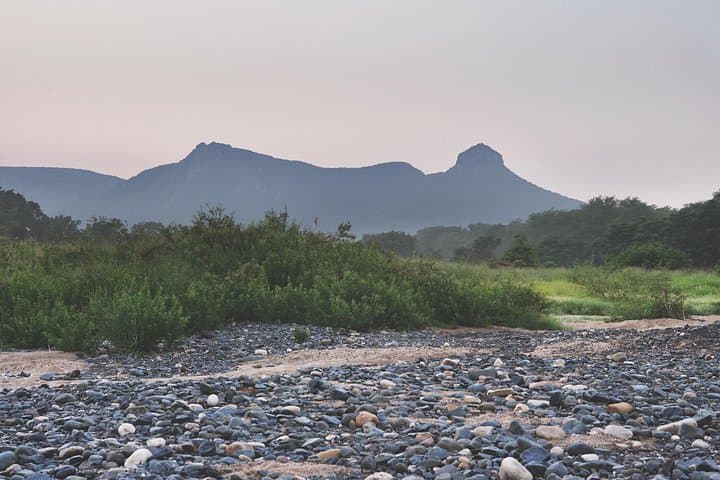
You step off the hotel veranda into a chill of river air; the dam clocked with morning light, the path sliding down to a broad, stone-strewn riverbed. The Mkuze River Walk follows old weir lines and braided channels where waterbird calls puncture the quiet and reeds shiver with small wings.
Verified experiences and guided adventures in the surrounding area.
Operated by Ghost Mountain Safaris · Mkuze, KwaZulu-Natal
You step off the hotel veranda into a chill of river air; the dam clocked with morning light, the path sliding down to a broad, stone-strewn riverbed. The Mkuze River Walk follows old weir lines and braided channels where waterbird calls puncture the quiet and reeds shiver with small wings.
This stretch of northern KwaZulu‑Natal sits on ancient coastal plain sediments cut by seasonal floods. The weir in the walk’s endpoint hints at mid‑20th century water management for local farms and lodges, while nearby communities shaped their lives around these channels for generations. Birding here blends geology—silty banks, exposed bedrock—and culture: Zulu village life and lodge guides who know the calls of target species.
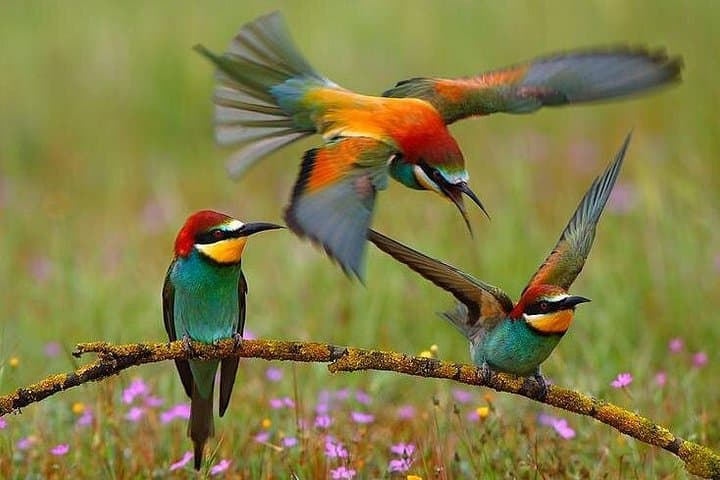
Expect a slow, interpretive pace rather than a strenuous trek. The terrain is flat and often firm, with brief sections across the dam crest and into soft sand and river stones. Guides point out waders on sandbars, kingfishers perched like punctuation, and the flash of bright bee‑eaters above riverine acacias. Photography is close and intimate; the river’s scale makes small birds feel large on the frame.
Practical guidance: wear sturdy walking shoes with good grip, bring a compact pair of binoculars, and plan this walk for early morning or late afternoon when birds are most active and heat is low. Stay on the route, keep voices low, and carry water—the riverbed can reflect heat later in the day.
Yes—children are welcome but must be accompanied by an adult; the guide will adjust pace for families.
No—the walk is interpretive and beginner‑friendly; guides provide ID help and context for sightings.
Bring a compact camera or smartphone with a zoom; remain on the path and avoid approaching birds to get closer shots.
Sections across the dam and soft sand may be difficult for strollers and some mobility aids—check with the lodge about alternatives.
Ghost Mountain Safaris operates guided outdoor trips and adventures with an emphasis on safety, stewardship, and memorable experiences.
You step off the hotel veranda into a chill of river air; the dam clocked with morning light, the path sliding down to a broad, stone-strewn riverbed. The Mkuze River Walk follows old weir lines and braided channels where waterbird calls puncture the quiet and reeds shiver with small wings.
You step off the hotel veranda into a chill of river air; the dam clocked with morning light, the path sliding down to a broad, stone-strewn riverbed. The Mkuze River Walk follows old weir lines and braided channels where waterbird calls puncture the quiet and reeds shiver with small wings.
This stretch of northern KwaZulu‑Natal sits on ancient coastal plain sediments cut by seasonal floods. The weir in the walk’s endpoint hints at mid‑20th century water management for local farms and lodges, while nearby communities shaped their lives around these channels for generations. Birding here blends geology—silty banks, exposed bedrock—and culture: Zulu village life and lodge guides who know the calls of target species.
Expect a slow, interpretive pace rather than a strenuous trek. The terrain is flat and often firm, with brief sections across the dam crest and into soft sand and river stones. Guides point out waders on sandbars, kingfishers perched like punctuation, and the flash of bright bee‑eaters above riverine acacias. Photography is close and intimate; the river’s scale makes small birds feel large on the frame.
Practical guidance: wear sturdy walking shoes with good grip, bring a compact pair of binoculars, and plan this walk for early morning or late afternoon when birds are most active and heat is low. Stay on the route, keep voices low, and carry water—the riverbed can reflect heat later in the day.