THE ADVENTURE COLLECTIVE® · Independent discovery and booking for outdoor travel

A half‑day island escape from Dubrovnik to Mljet National Park: saltwater lakes, a monastery isle, and easy coastal trails. This tour combines a short boat crossing with guided time to swim, walk, and explore the park.
A half‑day island escape from Dubrovnik to Mljet National Park: saltwater lakes, a monastery isle, and easy coastal trails. This tour combines a short boat crossing with guided time to swim, walk, and explore the park.
A catamaran slips away from Dubrovnik's stone harbor and the Adriatic opens like a cool, moving road. After an hour of spray and islands sliding by, Mljet appears — a low, green rim where pine and maquis press to the shore. The tour drops you at Polače or Pomena and the park’s twin salt lakes, Veliko and Malo Jezero, take over: calm, brackish water framed by limestone cliffs, a Benedictine monastery on a tiny islet, and trails that lead you into shade.
Verified experiences and guided adventures in the surrounding area.
Operated by Ragusa Tours · Polače, Dubrovnik-Neretva County
A catamaran slips away from Dubrovnik's stone harbor and the Adriatic opens like a cool, moving road. After an hour of spray and islands sliding by, Mljet appears — a low, green rim where pine and maquis press to the shore. The tour drops you at Polače or Pomena and the park’s twin salt lakes, Veliko and Malo Jezero, take over: calm, brackish water framed by limestone cliffs, a Benedictine monastery on a tiny islet, and trails that lead you into shade.
Mljet has been occupied since antiquity; its caves and olive terraces show Mediterranean, Roman and monastic layers. Geologically it’s karst — porous limestone scarred by past sea levels — which creates the two inland lakes and a shoreline of sheltered bays. Locals are still tied to fishing and small-boat travel; villages like Polače and Babine Kuće keep a quiet, functional charm rather than tourist polish.
Practically: this is a 6‑hour shared tour with boat transfer and hotel/port pickup, suitable for most fitness levels. Expect gentle walks (packed stone paths and short stair sections), opportunities to swim in calm bays and time to visit the islet monastery by small boat. Weather shapes the day — wind can roughen crossings — so the operator reserves the right to alter plans. Bring a refillable water bottle, sun protection, good walking shoes, and a light waterproof if seas pick up. Arrive early in Dubrovnik to avoid traffic and leave extra time for return transfers; the island rewards a slow pace, whether you hike the lakes’ rim or find a quiet cove for a dip.
Boat or road transfer is included and the total tour lasts about 6 hours; the sea crossing takes roughly 1–1.5 hours depending on vessel and route.
Yes — swimming is allowed in designated areas of Veliko and Malo Jezero and in nearby bays; water is calm and safe for most swimmers.
The Benedictine monastery on the islet in Veliko Jezero is reachable by small boat; visits may be timed and sometimes require an extra small fee.
Yes — the tour is rated easy and operators provide infant seats and stroller access on parts of the route, but supervise young children near water and on steps.
Ragusa Tours operates guided outdoor trips and adventures with an emphasis on safety, stewardship, and memorable experiences.
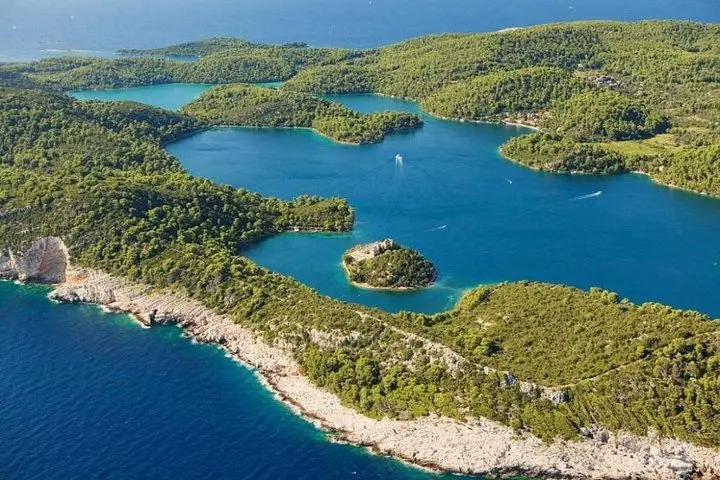
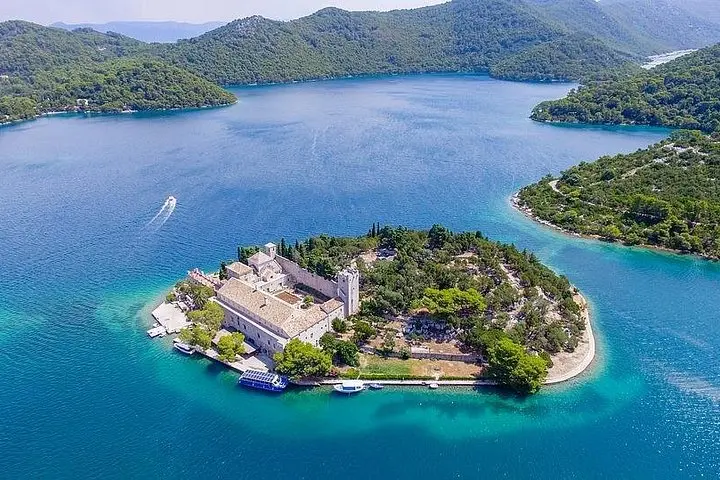
A catamaran slips away from Dubrovnik's stone harbor and the Adriatic opens like a cool, moving road. After an hour of spray and islands sliding by, Mljet appears — a low, green rim where pine and maquis press to the shore. The tour drops you at Polače or Pomena and the park’s twin salt lakes, Veliko and Malo Jezero, take over: calm, brackish water framed by limestone cliffs, a Benedictine monastery on a tiny islet, and trails that lead you into shade.
A catamaran slips away from Dubrovnik's stone harbor and the Adriatic opens like a cool, moving road. After an hour of spray and islands sliding by, Mljet appears — a low, green rim where pine and maquis press to the shore. The tour drops you at Polače or Pomena and the park’s twin salt lakes, Veliko and Malo Jezero, take over: calm, brackish water framed by limestone cliffs, a Benedictine monastery on a tiny islet, and trails that lead you into shade.
Mljet has been occupied since antiquity; its caves and olive terraces show Mediterranean, Roman and monastic layers. Geologically it’s karst — porous limestone scarred by past sea levels — which creates the two inland lakes and a shoreline of sheltered bays. Locals are still tied to fishing and small-boat travel; villages like Polače and Babine Kuće keep a quiet, functional charm rather than tourist polish.
Practically: this is a 6‑hour shared tour with boat transfer and hotel/port pickup, suitable for most fitness levels. Expect gentle walks (packed stone paths and short stair sections), opportunities to swim in calm bays and time to visit the islet monastery by small boat. Weather shapes the day — wind can roughen crossings — so the operator reserves the right to alter plans. Bring a refillable water bottle, sun protection, good walking shoes, and a light waterproof if seas pick up. Arrive early in Dubrovnik to avoid traffic and leave extra time for return transfers; the island rewards a slow pace, whether you hike the lakes’ rim or find a quiet cove for a dip.