THE ADVENTURE COLLECTIVE® · Independent discovery and booking for outdoor travel

Spend a day chasing dolphins, snorkeling Mnemba Atoll’s coral gardens, meeting Zanzibar’s red colobus in Jozani Forest, and visiting Nungwi’s turtle aquarium. This combined tour mixes easy snorkeling, gentle walks, and conservation-focused encounters—ideal for travelers who want wildlife and coastal scenery in one full day.
Spend a day chasing dolphins, snorkeling Mnemba Atoll’s coral gardens, meeting Zanzibar’s red colobus in Jozani Forest, and visiting Nungwi’s turtle aquarium. This combined tour mixes easy snorkeling, gentle walks, and conservation-focused encounters—ideal for travelers who want wildlife and coastal scenery in one full day.
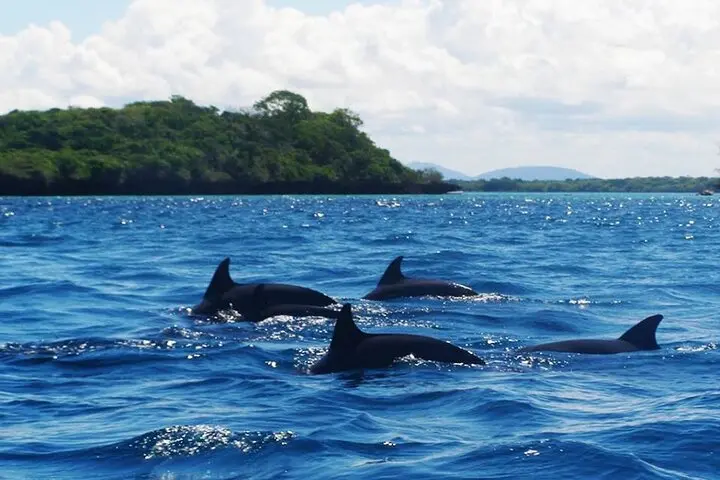
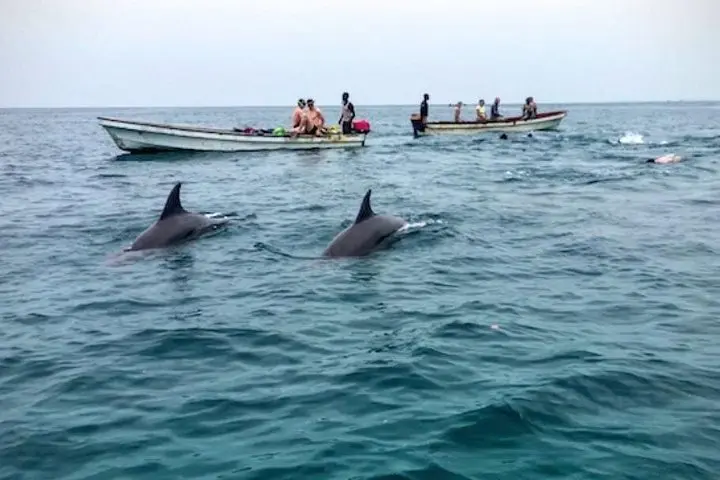
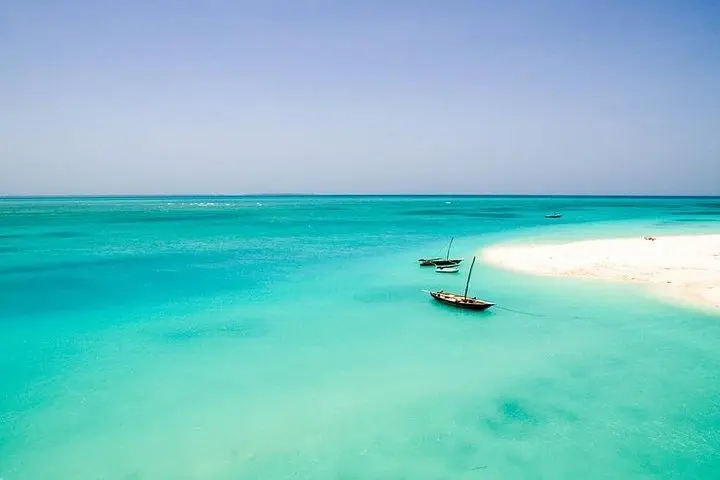
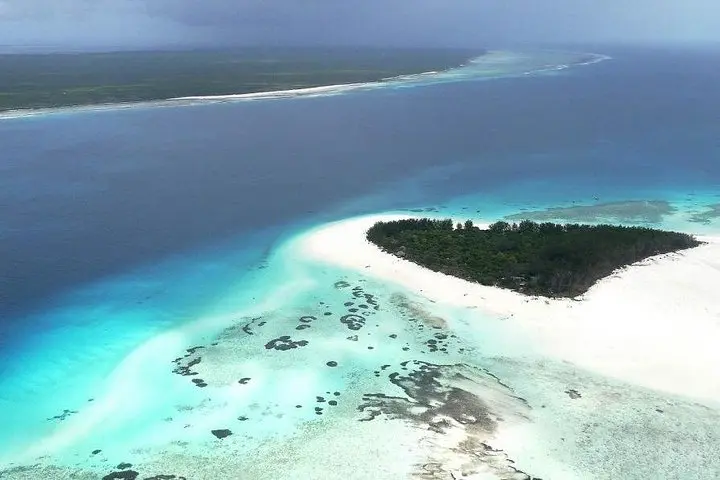
A low, humming engine parts the turquoise of Zanzibar’s northeast and the boat answers, skimming toward a ring of coral where dolphins often gather. Spray and sun stitch the horizon; dolphins arc and glance as if daring you to join. Later, a boardwalk through Jozani’s mangroves hushes the day — leaves and roots that hold the island’s freshwater like a slow, patient lung. The tour pairs two coastal ecosystems and a conservation-focused aquarium: Mnemba Atoll’s clear shoals, Jozani’s red colobus habitat and Nungwi’s Baraka Aquarium where rescued green turtles are rehabilitated.
Verified experiences and guided adventures in the surrounding area.
Operated by Urban Tours & Safaris · Nungwi, Zanzibar
A low, humming engine parts the turquoise of Zanzibar’s northeast and the boat answers, skimming toward a ring of coral where dolphins often gather. Spray and sun stitch the horizon; dolphins arc and glance as if daring you to join. Later, a boardwalk through Jozani’s mangroves hushes the day — leaves and roots that hold the island’s freshwater like a slow, patient lung. The tour pairs two coastal ecosystems and a conservation-focused aquarium: Mnemba Atoll’s clear shoals, Jozani’s red colobus habitat and Nungwi’s Baraka Aquarium where rescued green turtles are rehabilitated.
Geologically, Unguja’s limestone base and coral growth have created the atoll lagoons visitors float above; culturally, coastal fishing villages and Swahili maritime history frame the labs of modern conservation you’ll encounter. Guides commonly explain dhow fishing traditions, mangrove uses in local medicine, and efforts to protect turtles and endemic primates.
Practical guide: expect a full day (roughly nine hours) with boat transfers and easy walking on wooden boardwalks. Snorkeling takes place in shallow, clear water—visibility is usually excellent but sightings (dolphins, turtles) aren’t guaranteed. Wear reef-safe sunscreen, a lightweight long-sleeve top for sun and wind, reef-safe swimwear and water shoes for rocky shores. Bring cash for small local fees or tips and a dry bag for phones. Hydrate before and between activities; if you’re nervous in boats, take motion-sickness precautions.
This tour balances spectacle with hands-on conservation—approach wildlife quietly, follow guide instructions, and you’ll leave with both photos and a clearer sense of Zanzibar’s marine and forest stewardship.
No—dolphins are wild animals and sightings are frequent but never guaranteed; guides choose known hotspots to maximize chances.
Basic swimming comfort is required for snorkeling and brief swims; flotation vests are usually available if needed.
Yes—tour notes indicate infants must sit on laps; ask about age limits for snorkeling and check boat safety for young children.
Guides commonly speak English and Swahili; advertised inclusions list private transport, snorkeling gear, bottled water, snacks and fees, though local tips are extra.
Urban Tours & Safaris operates guided outdoor trips and adventures with an emphasis on safety, stewardship, and memorable experiences.
A low, humming engine parts the turquoise of Zanzibar’s northeast and the boat answers, skimming toward a ring of coral where dolphins often gather. Spray and sun stitch the horizon; dolphins arc and glance as if daring you to join. Later, a boardwalk through Jozani’s mangroves hushes the day — leaves and roots that hold the island’s freshwater like a slow, patient lung. The tour pairs two coastal ecosystems and a conservation-focused aquarium: Mnemba Atoll’s clear shoals, Jozani’s red colobus habitat and Nungwi’s Baraka Aquarium where rescued green turtles are rehabilitated.
A low, humming engine parts the turquoise of Zanzibar’s northeast and the boat answers, skimming toward a ring of coral where dolphins often gather. Spray and sun stitch the horizon; dolphins arc and glance as if daring you to join. Later, a boardwalk through Jozani’s mangroves hushes the day — leaves and roots that hold the island’s freshwater like a slow, patient lung. The tour pairs two coastal ecosystems and a conservation-focused aquarium: Mnemba Atoll’s clear shoals, Jozani’s red colobus habitat and Nungwi’s Baraka Aquarium where rescued green turtles are rehabilitated.
Geologically, Unguja’s limestone base and coral growth have created the atoll lagoons visitors float above; culturally, coastal fishing villages and Swahili maritime history frame the labs of modern conservation you’ll encounter. Guides commonly explain dhow fishing traditions, mangrove uses in local medicine, and efforts to protect turtles and endemic primates.
Practical guide: expect a full day (roughly nine hours) with boat transfers and easy walking on wooden boardwalks. Snorkeling takes place in shallow, clear water—visibility is usually excellent but sightings (dolphins, turtles) aren’t guaranteed. Wear reef-safe sunscreen, a lightweight long-sleeve top for sun and wind, reef-safe swimwear and water shoes for rocky shores. Bring cash for small local fees or tips and a dry bag for phones. Hydrate before and between activities; if you’re nervous in boats, take motion-sickness precautions.
This tour balances spectacle with hands-on conservation—approach wildlife quietly, follow guide instructions, and you’ll leave with both photos and a clearer sense of Zanzibar’s marine and forest stewardship.