THE ADVENTURE COLLECTIVE® · Independent discovery and booking for outdoor travel

Three days of remote hiking in the Mnweni area of the Drakensberg: steep ascents to the escarpment, sleeping in a cliff cave, and a guided, self-sufficient route covering 35 km and reaching 3,100 m.
Three days of remote hiking in the Mnweni area of the Drakensberg: steep ascents to the escarpment, sleeping in a cliff cave, and a guided, self-sufficient route covering 35 km and reaching 3,100 m.
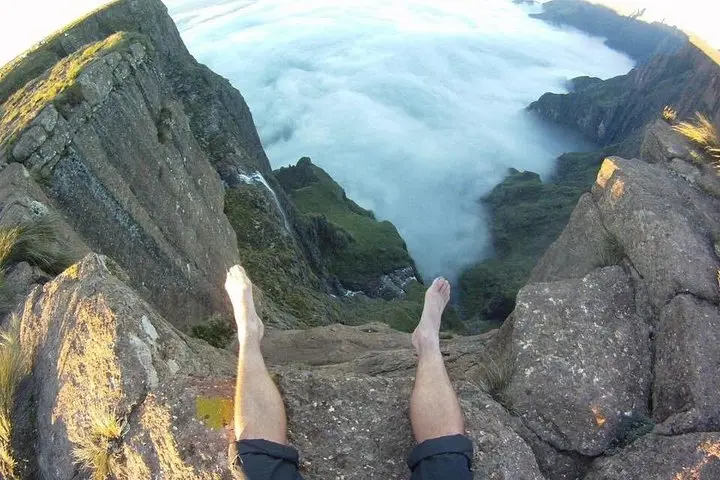
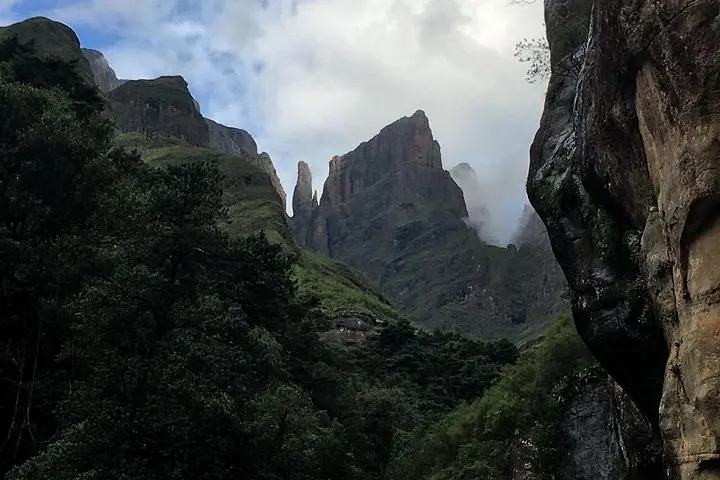
You leave Johannesburg before dawn and the highway dissolves into veld and then into a spine of basalt and sandstone that rises like a held breath against the sky. The Mnweni valleys unfurl in long switchbacks, river gullies daring you to follow them up toward the escarpment; by late afternoon the cliffs cast long, cool shadows and the only other lives you meet are the Basotho shepherds tracing familiar ledges.
Verified experiences and guided adventures in the surrounding area.
Operated by Soul Adventures · Bergville, KwaZulu-Natal
You leave Johannesburg before dawn and the highway dissolves into veld and then into a spine of basalt and sandstone that rises like a held breath against the sky. The Mnweni valleys unfurl in long switchbacks, river gullies daring you to follow them up toward the escarpment; by late afternoon the cliffs cast long, cool shadows and the only other lives you meet are the Basotho shepherds tracing familiar ledges.
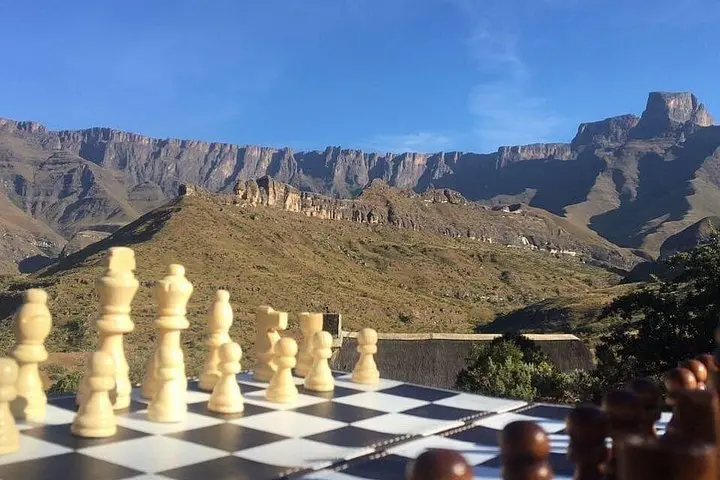
The Drakensberg is an uplifted rampart carved from ancient lava flows and sedimentary beds; the escarpment—called the Barrier of Spears by locals—marks a geological edge between KwaZulu-Natal and Lesotho. Cultural threads run through the route: rock art panels and passed shepherds speak to a long human presence on these high slopes.
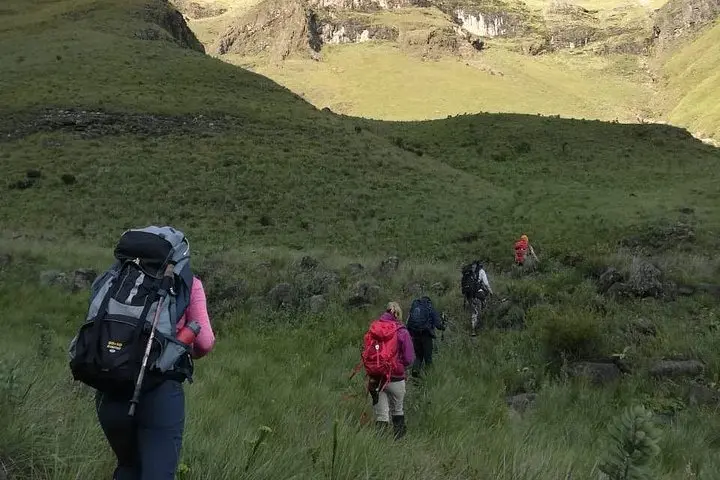
Practically: the itinerary covers ~35 km over three days (Day 1: 10 km; Day 2: 8 km with a ~1,000 m ascent to ~3,100 m; Day 3: 16 km with a ~1,200 m descent). You’ll be guided by a qualified mountain guide, carry your daypack and personal kit, drink from clear streams where safe, and spend night two in an ancient cave carved into the cliff face—an uncommon lodging that requires steadiness and a headlamp.
Plan for sudden weather swings, strong sun at altitude, and rough, rocky trail underfoot. Good boots, layered clothing, a reliable water system and basic backcountry skills will make the difference between hard day and great day. Expect solitude, raw cliffs, and a route that rewards focused, self-sufficient hiking.
You should be moderately to well fit, comfortable hiking 8–16 km a day with elevation changes and carrying a daypack; prior multi-day experience helps.
There are mountain streams; guides recommend filtering or treating water before drinking.
The second night is in a natural rock cave—bring a warm sleeping liner and headlamp; the operator provides basic sleeping bags and tents but expect rustic conditions.
The tour includes transport from Johannesburg; expect an early (~5am) departure and return on evening of day three.
Soul Adventures operates guided outdoor trips and adventures with an emphasis on safety, stewardship, and memorable experiences.
You leave Johannesburg before dawn and the highway dissolves into veld and then into a spine of basalt and sandstone that rises like a held breath against the sky. The Mnweni valleys unfurl in long switchbacks, river gullies daring you to follow them up toward the escarpment; by late afternoon the cliffs cast long, cool shadows and the only other lives you meet are the Basotho shepherds tracing familiar ledges.
You leave Johannesburg before dawn and the highway dissolves into veld and then into a spine of basalt and sandstone that rises like a held breath against the sky. The Mnweni valleys unfurl in long switchbacks, river gullies daring you to follow them up toward the escarpment; by late afternoon the cliffs cast long, cool shadows and the only other lives you meet are the Basotho shepherds tracing familiar ledges.
The Drakensberg is an uplifted rampart carved from ancient lava flows and sedimentary beds; the escarpment—called the Barrier of Spears by locals—marks a geological edge between KwaZulu-Natal and Lesotho. Cultural threads run through the route: rock art panels and passed shepherds speak to a long human presence on these high slopes.
Practically: the itinerary covers ~35 km over three days (Day 1: 10 km; Day 2: 8 km with a ~1,000 m ascent to ~3,100 m; Day 3: 16 km with a ~1,200 m descent). You’ll be guided by a qualified mountain guide, carry your daypack and personal kit, drink from clear streams where safe, and spend night two in an ancient cave carved into the cliff face—an uncommon lodging that requires steadiness and a headlamp.
Plan for sudden weather swings, strong sun at altitude, and rough, rocky trail underfoot. Good boots, layered clothing, a reliable water system and basic backcountry skills will make the difference between hard day and great day. Expect solitude, raw cliffs, and a route that rewards focused, self-sufficient hiking.